Haze pushes Kuala Lumpur, Singapore into world's most polluted cities
A milky haze has shrouded the cities for more than a month as smoke drifted from fires on Borneo and Sumatra islands.
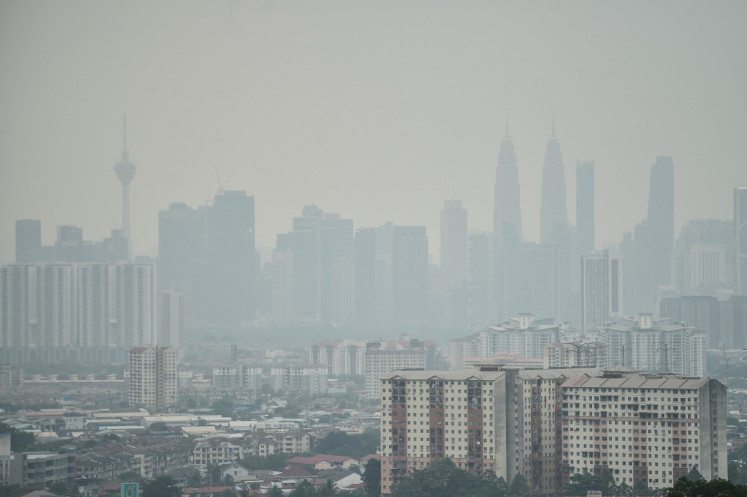
A persistent milky haze has enveloped Kuala Lumpur and Singapore for more than a month as smoke from wildfires on Borneo and Sumatra islands drifts across the region. Malaysia's capital city has been ranked the world's most polluted major city, according to Swiss air quality monitor IQAir, with an Air Quality Index (AQI) reading of 166.
Singapore follows closely in third place with an AQI of 155. Both cities have been grappling with the unhealthy conditions, which have negatively impacted residents' health and visibility. Izzah Irdina, a recent graduate from Kuala Lumpur, expressed concern over the haze, stating she can no longer see distant landmarks. Anusuriyeh, a 41-year-old Malaysian, remains uncertain about when the haze will end, as it is exacerbated by the natural disaster-like conditions.
The transboundary haze issue is a recurrent problem in Southeast Asia, but this year's episode has been particularly severe due to hot, dry conditions fueled by El Nino weather and land clearing. In Singapore, student Darius Chew, who has allergic rhinitis, has reduced his sports activities due to the haze, while fellow student Ryan Ang, who has asthma, has experienced increased sneezing and a runny nose.
Retired Singaporean Athirah Abudullah, who primarily stays indoors, has noticed the impact on her granddaughter, who suffers from eczema. President Prabowo Subianto of Indonesia has called for stricter regulations against slash-and-burn land clearances, labeling it "ecological terrorism," as the country battles its most intense wildfires in 11 years exacerbated by super El Niño weather conditions.
Written by urgent.news from The Jakarta Post's reporting — not their text. Machine-written — may contain errors; check the original before relying on it.