Exclusive-Anthropic's IPO pitch embraces AI's promise and peril
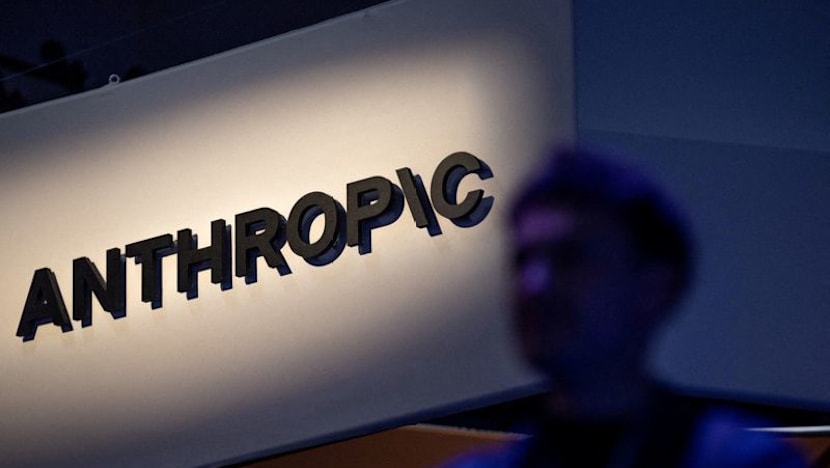
Anthropic, an AI-focused company based in San Francisco, is preparing for what may be the largest initial public offering (IPO) ever. The company's IPO prospectus, 300 pages in length, highlights both the potential benefits and dangers of artificial intelligence. To achieve a valuation of $2 trillion, Anthropic will need investors to help create a world where humans are secondary to advanced AI systems.
Nearly a third of the document is dedicated to risk factors, which is more than double the page count used to describe the company's operations. The filing contains bold predictions and ambitious goals, but also emphasizes the potential perils of AI.
The prospectus repeatedly warns that AI poses great threats that only AI can address, while also acknowledging that AI could transform the economy, end humanity, and present catastrophic or existential risks. The company offers part of itself to the public while advocating for more centralized ownership and oversight of the same company. Anthropic argues that to make AI safer, it must become more powerful, but greater capability creates the possibility of abuse, misalignment with human ideals, or loss of control.
Anthropic's vision is built on a central paradox: to make AI safer, the company must make it more powerful, as more advanced AI systems are more likely to act unpredictably or even dangerously. The company emphasizes its potential to "dramatically improve the quality of life" and "transform every sector of the global economy," while also acknowledging that advanced AI systems could pose catastrophic risks to humanity.
In the past two years, Anthropic has lost over $50 billion, but it has $500 billion in spending commitments in the coming years. The company envisions "Powerful AI," which could exceed top human experts across nearly all cognitive domains. It will collaborate with other AI systems, control lab equipment and robots, and operate for extended periods without human intervention.
Written by urgent.news from Channel News Asia's reporting — not their text. Machine-written — may contain errors; check the original before relying on it.
Also reported by 1 other outlet
- Exclusive-Anthropic's IPO pitch embraces AI's promise and peril channelnewsasia.com