Epigamia cofounder launches Kokasa to build defence tech systems
The deep-tech venture is developing electromechanical, electrohydraulic, sensing and control systems for defence, aerospace and space.
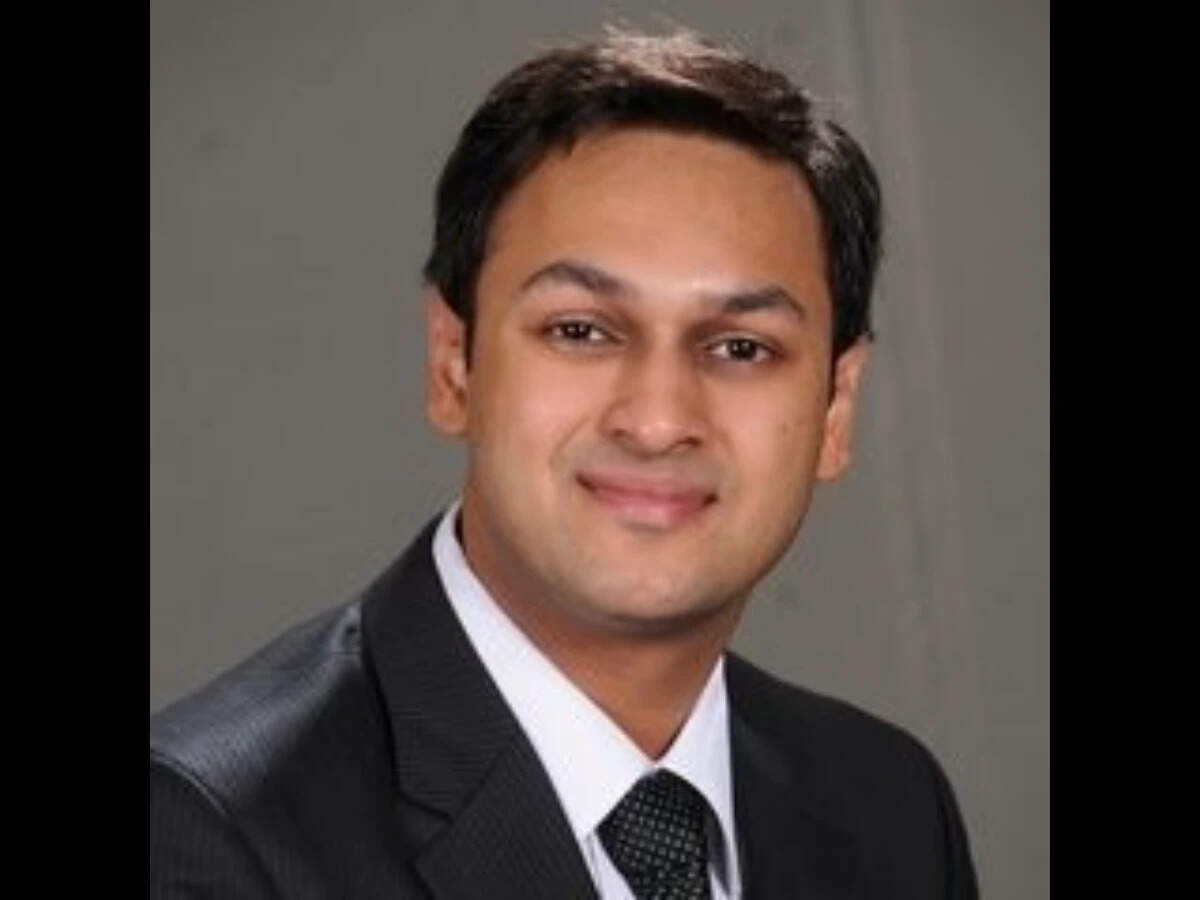
Former Epigamia cofounder Rahul Jain, alongside Snehil Gautam and Vikalp Bagdi, have established Kokasa, a deep-tech company specializing in defense, aerospace, and space industries. The newly formed venture aims to develop collaborative autonomous systems by integrating engineering, software, product development, and manufacturing efforts.
Jain, Gautam, and Bagdi emphasize the vision of building advanced technologies in India for sectors vital to the nation's future. With India boasting the necessary engineering talent, manufacturing capabilities, and policy momentum, Kokasa seeks to contribute to the next phase of India's deep-tech progress.
The company primarily focuses on designing and developing mission-critical electromechanical and electrohydraulic systems that encompass actuation, motion control, sensing, instrumentation, and embedded control. Gautam emphasizes the importance of having a deep understanding and ownership of technology layers within these systems. To address this challenge, Kokasa is developing capabilities from the physical layer upward, complemented by a modular software architecture compatible across various systems and platforms.
The team at Kokasa comprises experienced scientists, researchers, and engineers who are eager to tackle complex problems. The company is already working on replacing imported systems in defense platforms such as the Su-30MKI, MiG-29, and T-72. Co-founder Bagdi highlights the real challenge in mission-critical engineering, stating that it is not just about getting a prototype to work but making a system consistently perform in demanding environments, thorough rigorous qualification, and providing reliable support throughout its lifecycle. This engineering discipline is being incorporated into Kokasa's operations from the outset.
Written by urgent.news from Economic Times Tech's reporting — not their text. Machine-written — may contain errors; check the original before relying on it.