El debate | ¿Es legítima la literatura hecha con inteligencia artificial?
No hay una unanimidad en un sector creativo en el que algunos autores han abrazado públicamente la IA y otros la utilizan clandestinamente
The ongoing debate surrounding the legitimacy of literature created with artificial intelligence has gained momentum, particularly in the wake of recent denunciations in France. Premier award-winning author Olga Tokarczuk is among those who have openly acknowledged using AI tools in their work. The question at hand is whether a book, whether partially or entirely generated by AI, can be considered a valid work of literature.
Reporters Javier Sampedro and Javier Rodríguez Marcos from EL PAÍS delve into the issue, beginning by acknowledging the merit of opposing viewpoints. While AI may excel at compiling reports on topics like family well-being, it struggles to produce genuine literary works. The complexity of crafting literature lies in its artistic nature, which AI currently lacks.
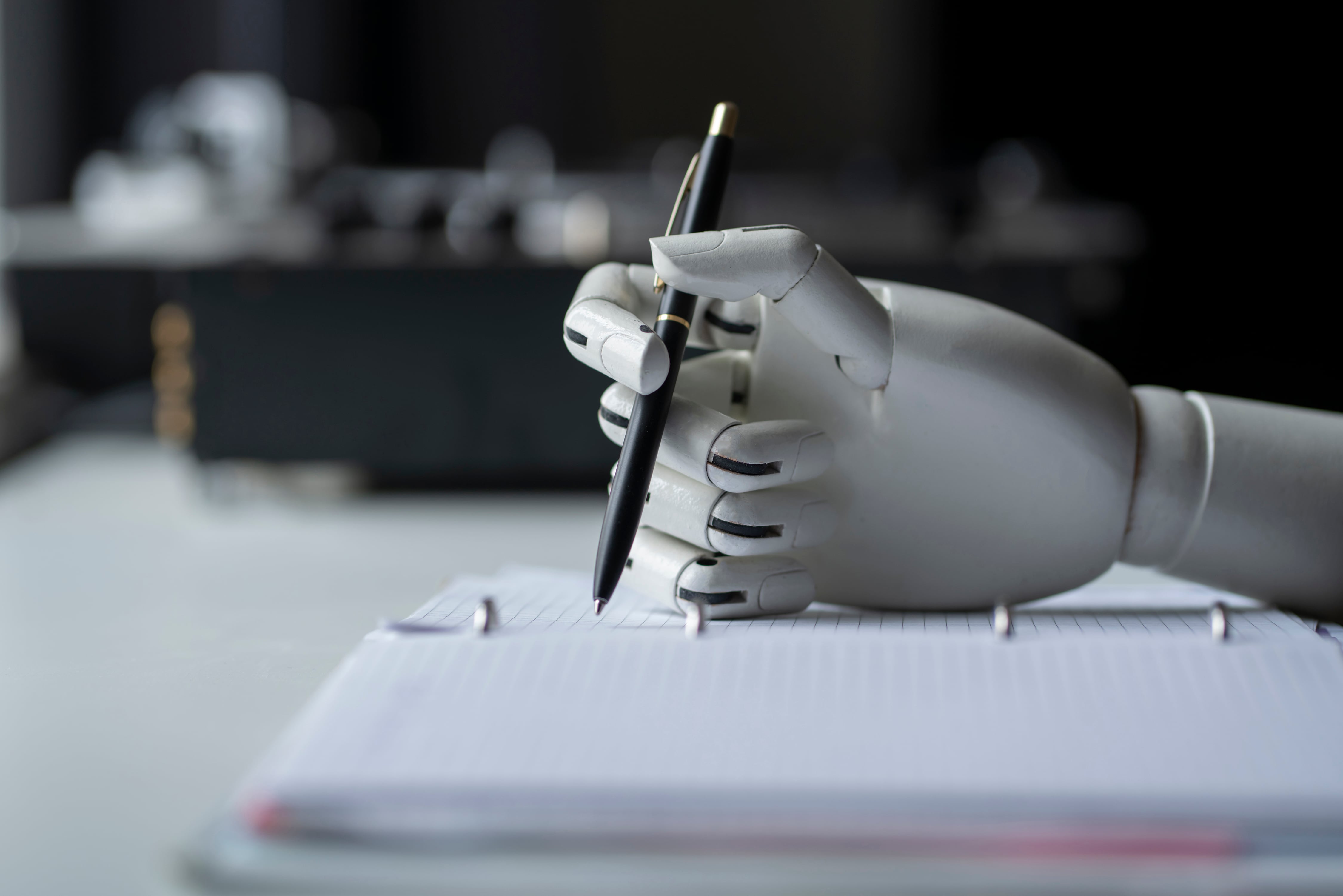
While delegating such a high artistic task to a robot would likely lead to failure and deception of readers and editors, the core debate remains on the legitimacy of AI-assisted literature. The future of AI-generated literature depends on whether machines can eventually create high-quality works. Although AI currently produces subpar literature, it is not inconceivable that a day may come when machines can produce exceptional novels.
The question then becomes whether such a novel would be considered legitimate. To address this, we must set aside the issue of authorship, which can be a distraction. Mia Ballard faced controversy for using a machine (Pangram) to detect AI-written texts while signing her novel as the sole author. However, her transgression was not solely using AI but attempting to conceal its involvement.
This issue echoes a similar debate in scientific circles, where scientists argue for co-authorship when AI contributes to their work. AlphaFold, a system predicting protein structures, should ideally be acknowledged as a co-author in many biology papers. Despite the scientific community's reluctance to accept such co-authorship, the Swedish Academy awarded the Nobel Prize to its creators.
Similarly, Mia Ballard could have avoided significant career damage by collaborating with ChatGPT instead of attempting to pass it off as her work. The field of literature has long been deemed exclusively human, but this notion overlooks the potential of machines to foster creativity. Creative processes involve recognizing patterns and connections among disparate ideas, a capability that may not be exclusive to humans.
Ultimately, if a robot writes a compelling novel, it should be recognized as literature, provided it is attributed to the machine responsible for its creation.
Written by urgent.news from El Pais's reporting — not their text. Machine-written — may contain errors; check the original before relying on it.