Dinosaur-killing impact crater might have been teeming with life
Hot, nutrient water might have lasted for over 5 million years after the impact.
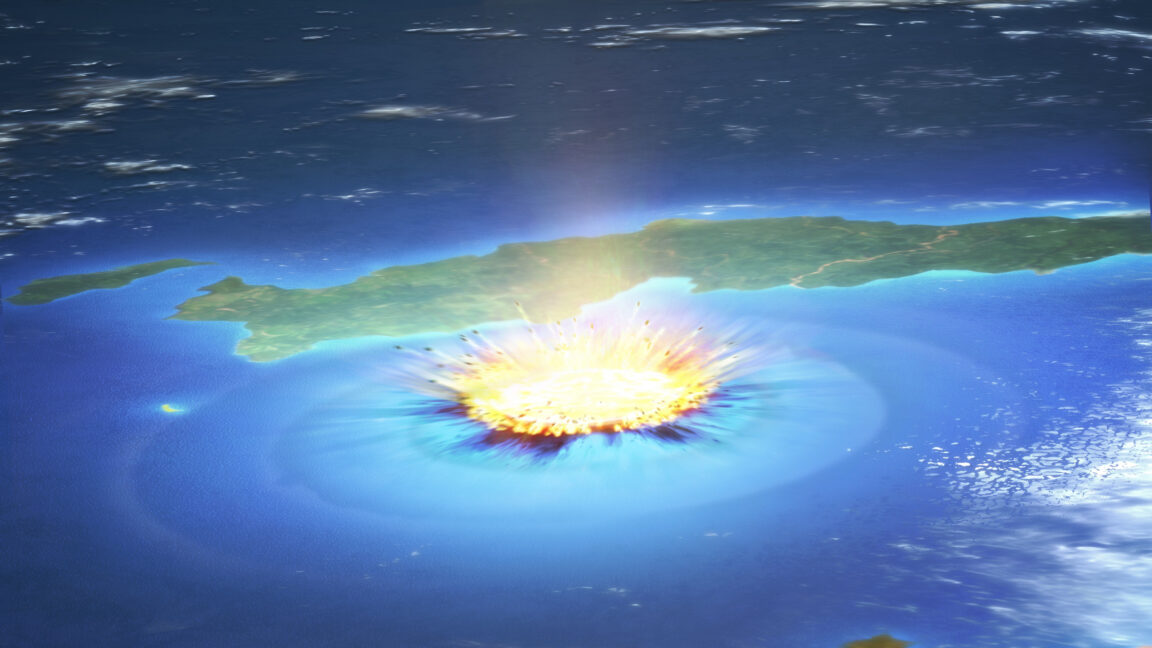
The Chicxulub asteroid struck Earth around 66 million years ago, causing devastating consequences for non-avian dinosaurs and other species. However, the impact zone, now submerged in the Yucatan Peninsula, may have harbored life in a hydrothermal system that endured for eight million years. This discovery was made after drilling samples in the impact zone in 2016, which revealed the types of rocks formed due to the asteroid strike.
The collision was powerful enough to deform the earth far beneath the surface, reaching depths of 35 kilometers. The intense heat from the asteroid also melted considerable amounts of rock, making it porous. As seawater seeped into these pores, a hydrothermal system formed. The extreme heat could have attracted microorganisms and other life forms, providing a potential refuge for survival in the otherwise harsh and cold conditions.
Written by urgent.news from Ars Technica's reporting — not their text. Machine-written — may contain errors; check the original before relying on it.