China’s weak soybean demand dims prospects for US cargoes
Private oilseed processors have covered most of their needs through the Lunar New Year with supplies from Brazil, Argentina and state reserves.
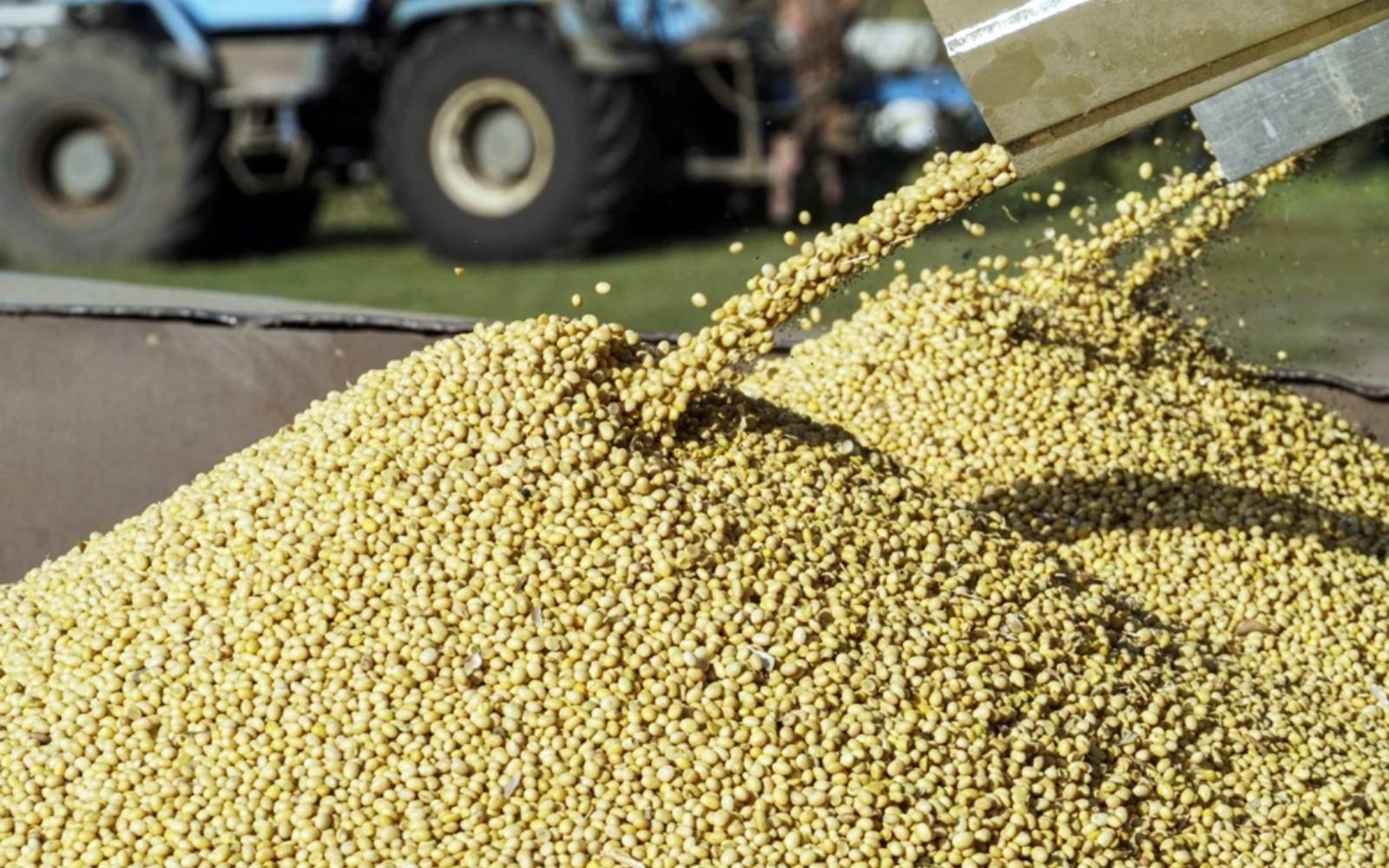
China's soybean demand is expected to decrease in the coming months due to weak animal feed demand and negative crush margins, leaving limited opportunities for US cargoes. These cargoes were not included in a proposed tariff relief list following talks between Chinese and US leaders. Chinese private oilseed processors have met most of their soybean needs through shipments from Brazil, Argentina, and state reserves since the Lunar New Year in early February.
A senior executive at a Chinese processing company stated that they have booked all of their October shipments and much of November's from Brazil and Argentina, as further purchases would result in losses. Chinese state-owned companies have bought approximately 13.7 million tonnes of US soybeans since a trade deal in May, but private crushers have only taken South American shipments.
US soybeans still face an additional 10% tariff, making them uneconomical for commercial buyers. Brazilian soybeans are currently priced similarly to US cargoes, excluding tariffs, at around US$590 per tonne. Benchmark Chicago soybean futures have dropped 1.5% this week, and the market is expected to face further losses as the US harvest peaks.
Weak demand and weak margins have led to crushing margins turning negative for soybeans scheduled for November shipment from the US Pacific Northwest and the US Gulf. In China, soybean inventories at 111 crushing plants reached a 15-year high of 7.96 million tonnes in the week of September 25. Only 37.3% of 514,000 tonnes of imported soybeans offered in Sinograin's latest auction were sold.
Chinese buyers booked fewer soybean cargoes in the first three weeks of September than in four years, and state-run Cofco and Sinograin accounted for about 30% of these cargoes. Unless margins recover, commercial buyers are unlikely to book more overseas cargoes.
Written by urgent.news from Free Malaysia Today's reporting — not their text. Machine-written — may contain errors; check the original before relying on it.
This story
This is one outlet's version. Read the fullest account.
- China’s weak soybean demand dims prospects for US cargoes freemalaysiatoday.com