Body in freezer for 4 years: What are the rules for preserving dead bodies in India?
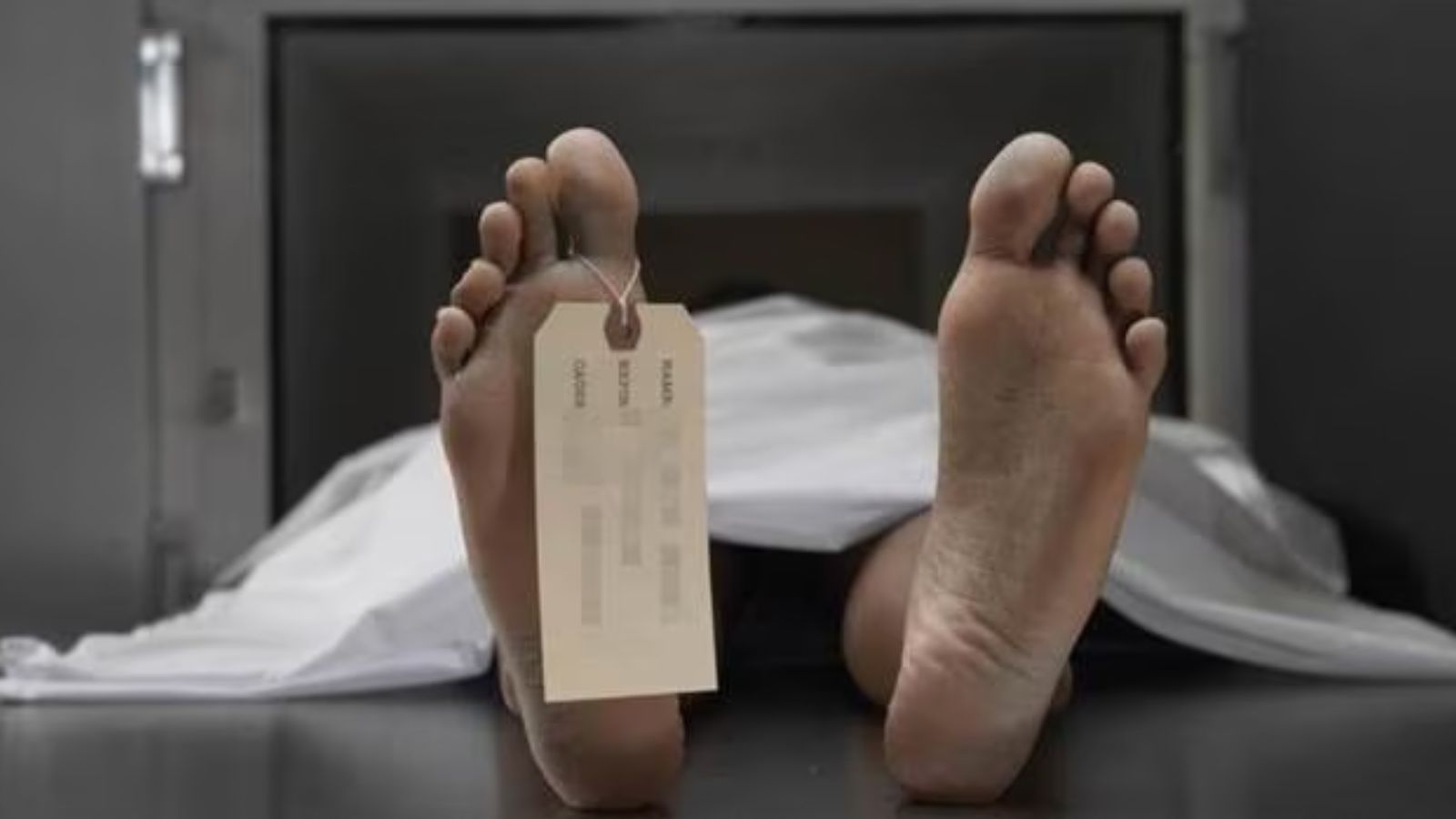
A 78-year-old man's body was found in a freezer at a Malad day care center for nearly four years after his death in June 2022, according to police. His daughter, who expressed deep attachment to him, sought to preserve his body and considered transporting it to the United States. This peculiar case prompts the question of what Indian law permits when a family desires to preserve a deceased body and for what duration.
Indian law does not stipulate a set time frame for preserving bodies. Bodies can be kept temporarily in mortuaries while relatives finalize arrangements, conduct post-mortems, or prepare for transportation. The legal framework arises from various statutes related to death registration, public health, municipal administration, and transportation of human remains.
In Mumbai, Section 441 of the Mumbai Municipal Corporation Act prohibits retaining a corpse on premises without proper disposal for an extended period, creating a nuisance. The exact duration is not prescribed, as it depends on circumstances like the body's condition and public health implications.
Various methods exist for preserving bodies. Refrigeration is the simplest, slowing decomposition through lower temperatures. The NDMA guidelines recognize ice as a preservation method when refrigeration is unavailable. For longer preservation, embalming is employed, using preservative chemicals introduced through major blood vessels. Embalming with formalin-based solutions can preserve bodies for extended periods, including during long-distance transportation.
Embalmng, however, does not halt decomposition entirely, only slowing it down, particularly important for transportation. For bodies arriving from abroad, the Ministry of Health and Family Welfare mandates an embalming certificate, death certificate, and specific packaging.
Cryonics, a different process, involves cooling a legally dead person to extremely low temperatures, often with liquid nitrogen, in the hope of future revival. It is an experimental practice with no proven revival cases. The US National Institute of Standards and Technology describes it as freezing an entire human body after death with the hope of restoring life later, emphasizing it is not an accepted scientific application of cryogenics. Therefore, a body kept in an ordinary freezer is not undergoing cryonics.
Written by urgent.news from The Indian Express's reporting — not their text. Machine-written — may contain errors; check the original before relying on it.