Barapullah Phase-III flyover leaves commuters in 3.5-km traffic jam a day after inauguration, morning peak stretches into afternoon
5–6 lakh vehicles converge on the new corridor, with waits of up to an hour despite the promise of cutting Mayur Vihar–south Delhi travel time to 15 minutes.
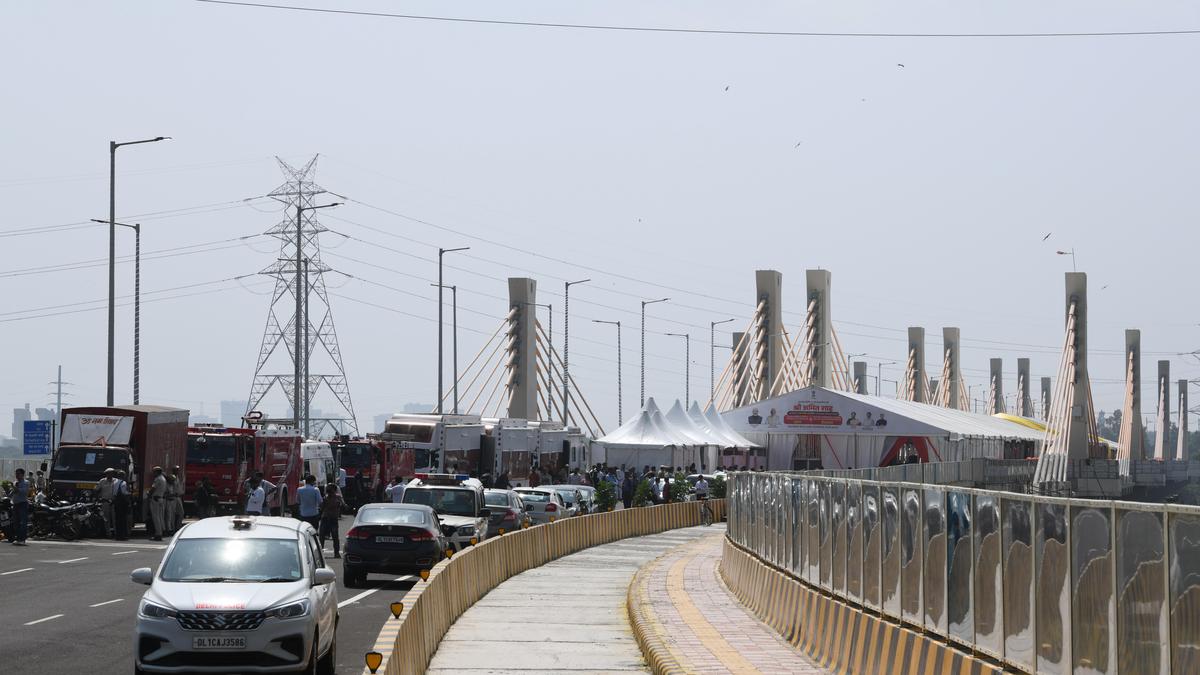
On Wednesday, September 30, 2026, the Barapullah Phase-III elevated corridor saw a massive traffic jam just hours after its inauguration, highlighting the challenges faced by the newly built road system. The 3.5-kilometre stretch of traffic, with queues stretching for up to 40-60 minutes, was reported in the morning peak, stranding an estimated 5-6 lakh vehicles on the route.
Despite the claim that the journey between Mayur Vihar and south Delhi would be reduced to 15 minutes, commuters shared their frustration on social media, stating that the flyover had only bought them a 55-minute delay to reach their first merge point. The congestion was attributed to the sudden influx of vehicles from various directions, overwhelming the road network at the exit.
The South Delhi traffic Deputy Commissioner of Police, Sandeep Gupta, blamed this on Google Maps directing commuters towards the new route without considering the developing congestion. The police manually regulated the traffic on the Lajpat Nagar and Mayur Vihar sides to manage the situation. The issue was further compounded by the road geometry, with the new corridor feeding into an existing two-lane stretch, creating a bottleneck when seven to eight lanes of traffic merged.
The police are working with Google to rectify the absence of live traffic layering, hoping that the system will distribute traffic more evenly between the new and existing routes in the future.
Written by urgent.news from The Hindu's reporting — not their text. Machine-written — may contain errors; check the original before relying on it.