Asia stocks mixed ahead of U.S. PCE inflation; regional data in focus
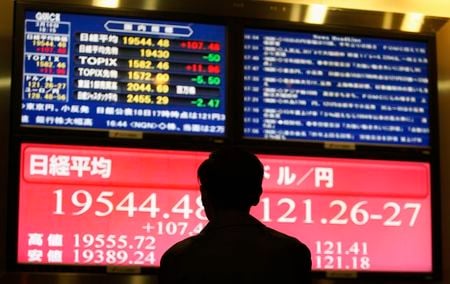
Asian stocks displayed a mixed performance on Wednesday as investors remained cautious ahead of crucial U.S. inflation data. The slight decline in global bond yields and lower oil prices provided some relief to risk assets. This came after a lackluster Wall Street session the previous night, accompanied by elevated Treasury yields. U.S. stock futures also exhibited mixed results in Asia.
Japan's Nikkei 225 experienced a rise of 1.5%, driven by a gain in chip-related stocks and a notable increase in SoftBank Group shares, which climbed by approximately 6%. China's Shanghai Shenzhen CSI 300 index edged up by 0.2%, while the Shanghai Composite index added 0.3%. Conversely, Hong Kong's Hang Seng Index slipped by 0.3%, and South Korea's KOSPI index fell by 0.4%.
The U.S. 30-year Treasury yield eased to around 5.56% in Asian trading, following a high of 5.6206% on Tuesday, its highest level since 2002. Oil prices rebounded slightly after a significant drop on Tuesday, remaining volatile due to concerns over the Middle East conflict and the Strait of Hormuz situation. Brent crude hovered around $103 a barrel, buoyed by signs of recovering Saudi exports and the use of alternative supply routes.
Investors now turn their focus to the U.S. Personal Consumption Expenditures (PCE) price index data for August, scheduled to be released later on Wednesday. This data, considered the Federal Reserve's preferred inflation gauge, is expected to reveal that inflation remains significantly above the central bank's 2% annual target. The upcoming print will help determine whether the recent easing in yields can persist.
In other Asian markets, Singapore's Straits Times Index and India's Nifty 50 both declined by 0.1%, while Australia's S&P/ASX 200 rose by 0.8%. Australia's inflation accelerated to 4.0% in August from 3.5% in July, exceeding economists' forecasts. However, this figure remained below the Reserve Bank of Australia's 2%-3% target band. This development occurred just a day after the Reserve Bank of Australia raised its cash rate to 4.6%, the highest level in 15 years.
Written by urgent.news from Investing.com's reporting — not their text. Machine-written — may contain errors; check the original before relying on it.