Airbus gets a new freighter – and its giant door – into the air for the first time
The A350F is apparently good for carrying servers
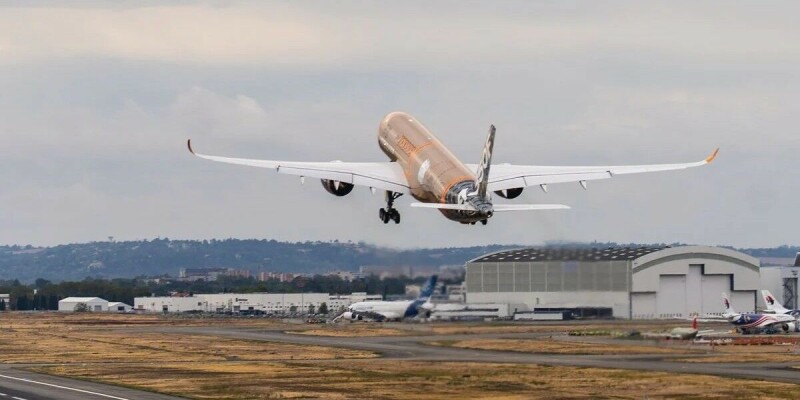
Airbus has successfully flown a new freighter, the A350F, based on its popular A350 passenger jet. This marks a significant step towards delivering a high-capacity freighter for the aerospace giant. Airbus already produces two freighters, the A330 and A321 variants, and previously created custom freighters like the Beluga, which utilized the design of an A330 or A300.
The BelugaST, based on the A300, primarily transported Airbus' own cargo between factories. The company later operated a commercial cargo service using the Beluga but discontinued it in 2024. Airbus built five larger BelugaXL freighters based on the A330F, with the last entering service in 2024 and intended for 30 years of service. The BelugaXL can carry large components of the A350.
The newly developed A350F boasts an impressive payload capacity of 109 tonnes, compared to 64 tonnes for the A330F. It also features a longer range and a giant door measuring 4.3 metres in width. This expansive door is designed to accommodate high-value, time-sensitive cargo, such as large-scale electronic chip manufacturing machines.
Airbus claims the A350F is more efficient and cheaper to run than rival Boeing's 777F freighter. The first A350F completed a four-hour and ten-minute test flight, reaching an altitude of 25,000 feet. Airbus has almost completed the second model, which will be necessary for the hundreds of test flights required to certify the new aircraft.
Orders for the A350F have already been placed by customers totaling 115 units. While the A350F is larger than the BelugaXL and offers greater efficiency, it cannot handle the colossal loads carried by 747 freighters or the Antonov An124, both of which have a nose cargo door large enough to accommodate very long cargoes. The European Defence Agency is currently investigating alternatives to modernize aging freighters like the An124 or develop a new European aircraft to replace C-17s.
Written by urgent.news from The Register's reporting — not their text. Machine-written — may contain errors; check the original before relying on it.