A Texan man found a photo album in a garage that may hold unseen pictures of Bonnie and Clyde. But caution over their authenticity points to a deeper lesson about how we should safeguard our own photography for future generations
The evidence seems convincing, but camera angles and missing provenance give reason for caution
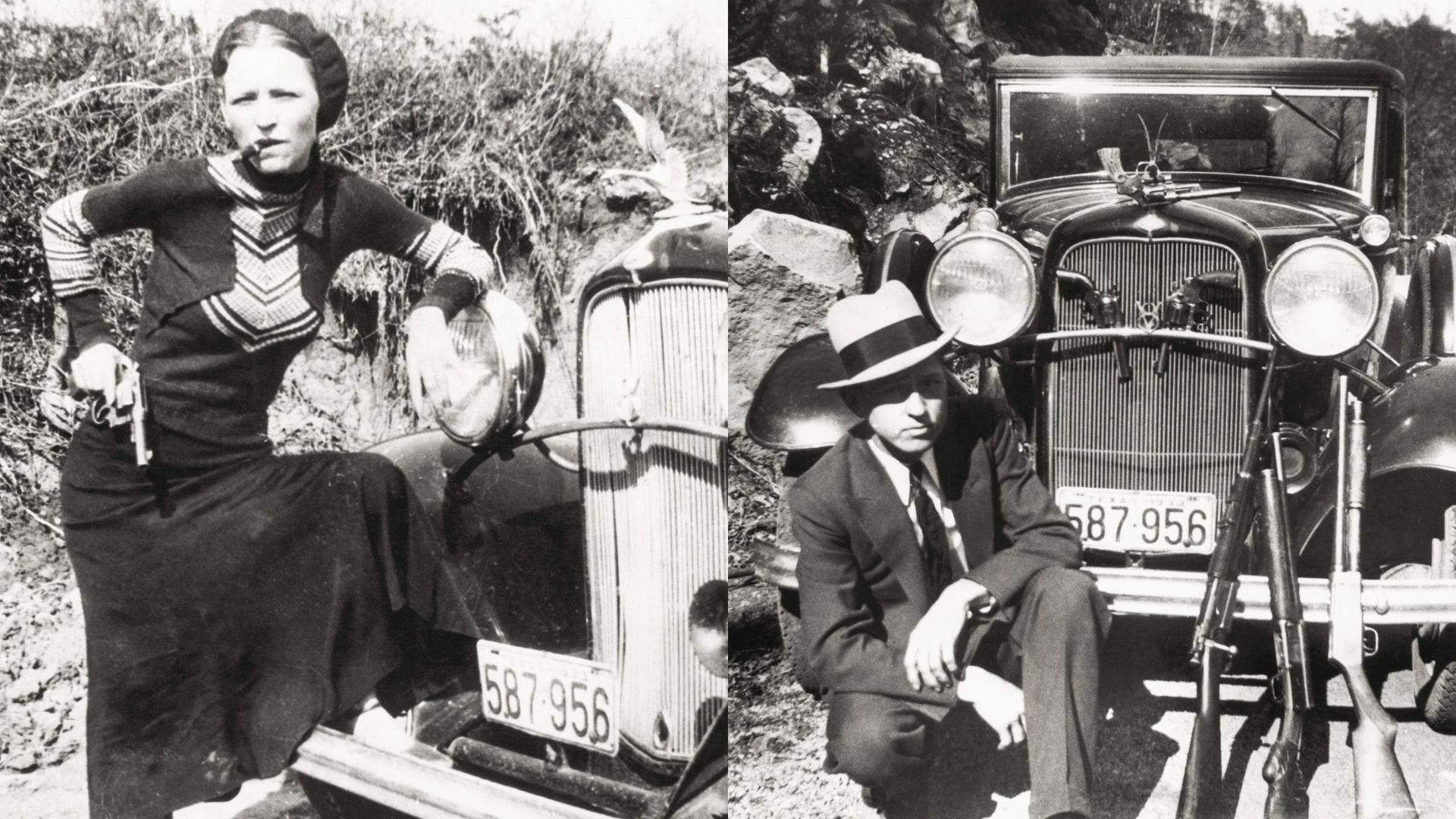
In the last century, a Texas man named Timothy Phelps discovered an old photo album hidden away in a garage. The album contained photographs that may hold unseen images of Bonnie and Clyde, the notorious criminal couple who roamed the southern United States during the Great Depression. Phelps, from Corpus Christi, had spent 15 years convincing others that he had found these elusive photos. He took the album to forensic artist Lois Gibson, who identified the prints as belonging to the couple with absolute certainty.
However, some experts, such as Alex Cooke from Fstoppers, urge caution regarding the authenticity of the photos. They point out that camera angles and distances can affect facial features, making it difficult to determine the exact identity of the individuals in the pictures. While there is a reasonable belief that unseen photos of Bonnie and Clyde may still exist, as both were amateur photographers, Phelps' album might not have a documented provenance.
This raises concerns for future historians who would need a clear chain of ownership to properly authenticate and contextualize the photographs.
Written by urgent.news from Digital Camera World's reporting — not their text. Machine-written — may contain errors; check the original before relying on it.