A single dose of MDMA prevents trauma-fueled drinking in genetically prone rats
A study in rats suggests MDMA can prevent the rise in alcohol intake that follows trauma-like stress, but only in animals genetically predisposed to drink heavily. The effect did not appear to depend on changes in fear.
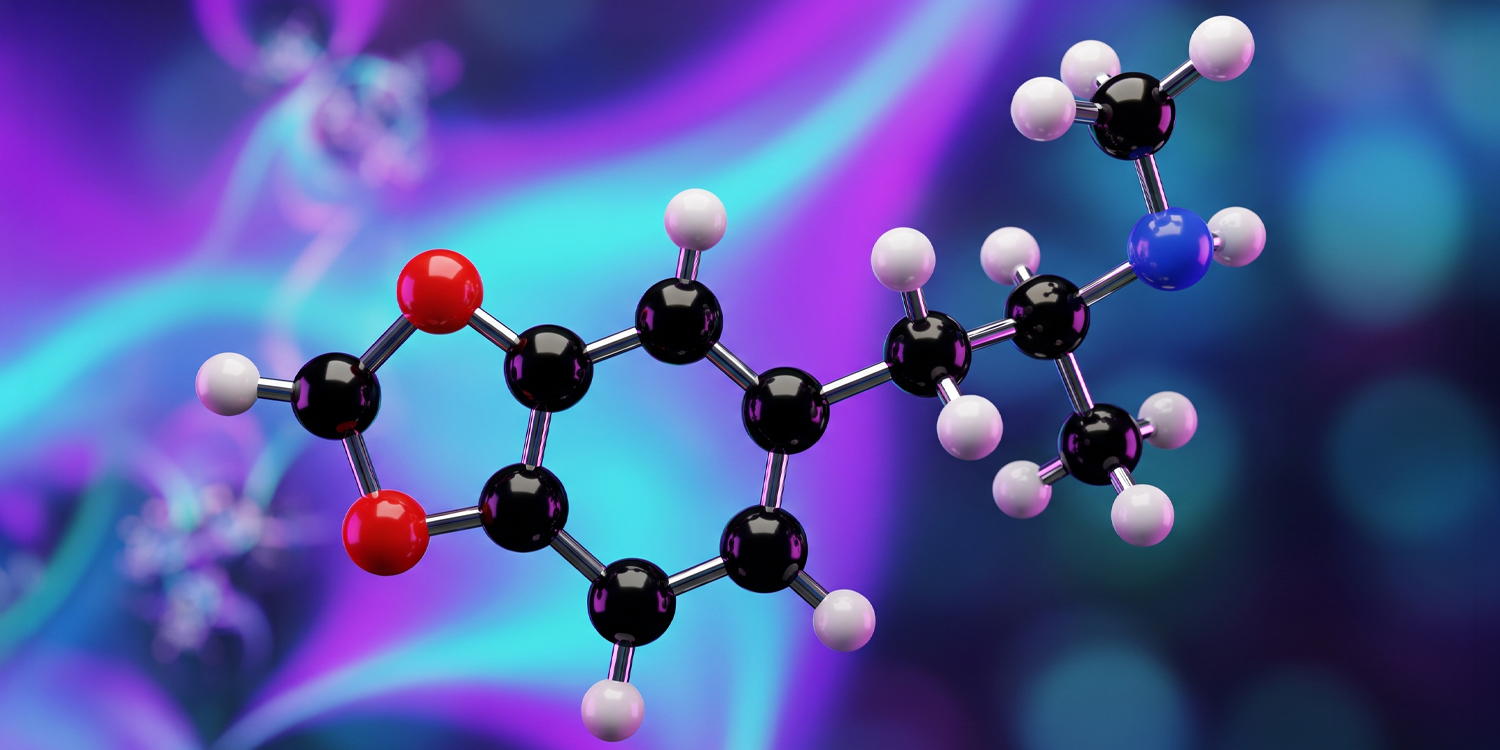
A new study in rats indicates that a single dose of MDMA may help prevent increased alcohol consumption following a traumatic event, especially in those genetically prone to heavy drinking. The research, published in Neuropsychopharmacology, examines how MDMA alters fear responses without permanently weakening fear memory storage.
Post-traumatic stress disorder (PTSD) often leads to alcohol use disorder as individuals self-medicate emotional distress. Fear extinction therapy, which involves repeated exposure to trauma-related cues in a safe setting, is a common PTSD treatment. A 2015 study showed that administering MDMA before this therapy could speed up the extinction process in mice.
Building on this, early human trials also point to potential benefits of MDMA-assisted therapy for both PTSD and addiction. However, the exact mechanism by which MDMA helps remains unclear. Researchers from the Florey Institute of Neuroscience and Mental Health and the University of Melbourne decided to investigate whether MDMA could reduce trauma-triggered drinking in genetically predisposed animals.
They used two strains of rats: Indiana alcohol-preferring rats, bred to consume high amounts of alcohol, and Wistar rats, a standard outbred strain. Both male and female rats were included. The rats were first conditioned to associate a specific tone with a mild shock, teaching them to freeze in response to the sound. Then, all the rats were given access to an alcohol solution for six weeks to establish a drinking habit.
After a three-week abstinence period, the rats received either MDMA or a saline injection, followed by a fear extinction session where the tone was played without any shocks. The next day, the rats were tested for how well they remembered the association between the tone and safety. After several more sessions with access to alcohol, the researchers measured how much they drank.
They found that the initial fear conditioning increased later alcohol consumption, but only in the genetically vulnerable Indiana rats. The Wistar rats showed similar fear responses but did not drink more alcohol. When given MDMA before the fear extinction session, the rats showed immediate changes in their fear response, freezing more overall during the session, but this effect did not translate into better long-term fear extinction.
Importantly, MDMA did not improve the rats' ability to remember the tone was safe after the drug wore off. The study suggests that MDMA could potentially help reduce trauma-related drinking in those with a genetic predisposition, but further research is needed to confirm these findings in humans.
Written by urgent.news from PsyPost's reporting — not their text. Machine-written — may contain errors; check the original before relying on it.