Young Koreans use digital placebos to curb spending
Office worker Lee Joo-hyun, 25, opens a mobile app when hunger strikes, even though she is trying to lose weight. Lee browses the menu, selects food and hits the order button. A notification pops up notifying her that the food is being prepared, followed by a real-time map tracking a delivery driver picking up the meal and moving toward her home. The food, however, never arrives. Lee is not…
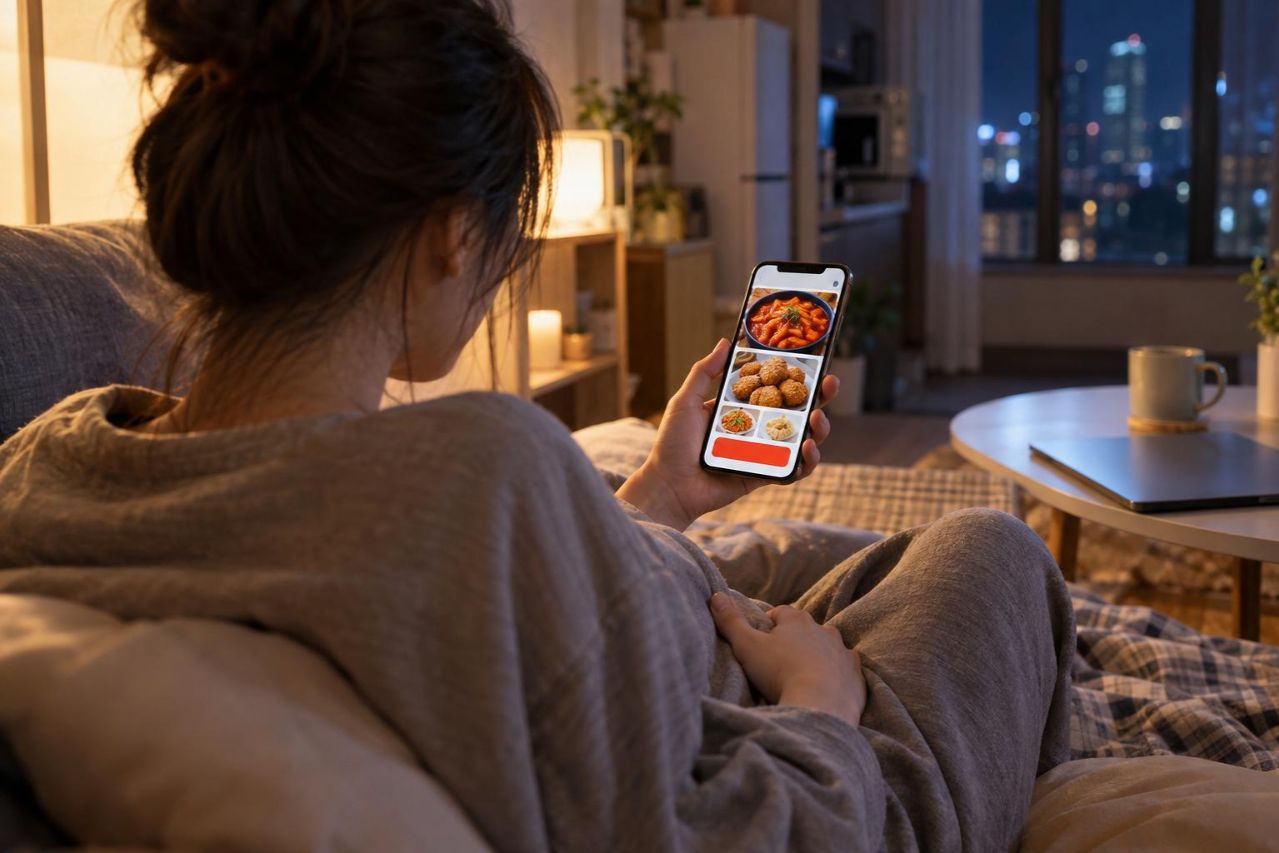
Young Koreans are turning to digital placebos to curb their spending, particularly during times of high inflation. Office worker Lee Joo-hyun, 25, uses the app FoodNeverArrives to simulate ordering food even though she is trying to lose weight. The app sends a notification that the meal is being prepared, followed by a real-time map tracking a driver picking up the fake order and heading towards her home.
However, the food never arrives and Lee isn't charged. Instead of a real meal, Lee receives a virtual receipt showing the money and calories saved. The satisfaction she feels from this virtual experience makes her happy even without eating the food. As prices continue to rise, digital placebos that curb impulse spending through simulated consumption are gaining popularity among budget-conscious consumers in their 20s and 30s who joke about "only breathing."
Written by urgent.news from The Korea Times's reporting — not their text. Machine-written — may contain errors; check the original before relying on it.
Also reported by 1 other outlet
- Young Koreans use digital placebos to curb spending koreatimes.co.kr