Who we become when we talk to machines
Professor Sherry Turkle’s new book, “Artificial Intimacy,” offers a withering critique of chatbots and the antisocial dynamics she believes they encourage.
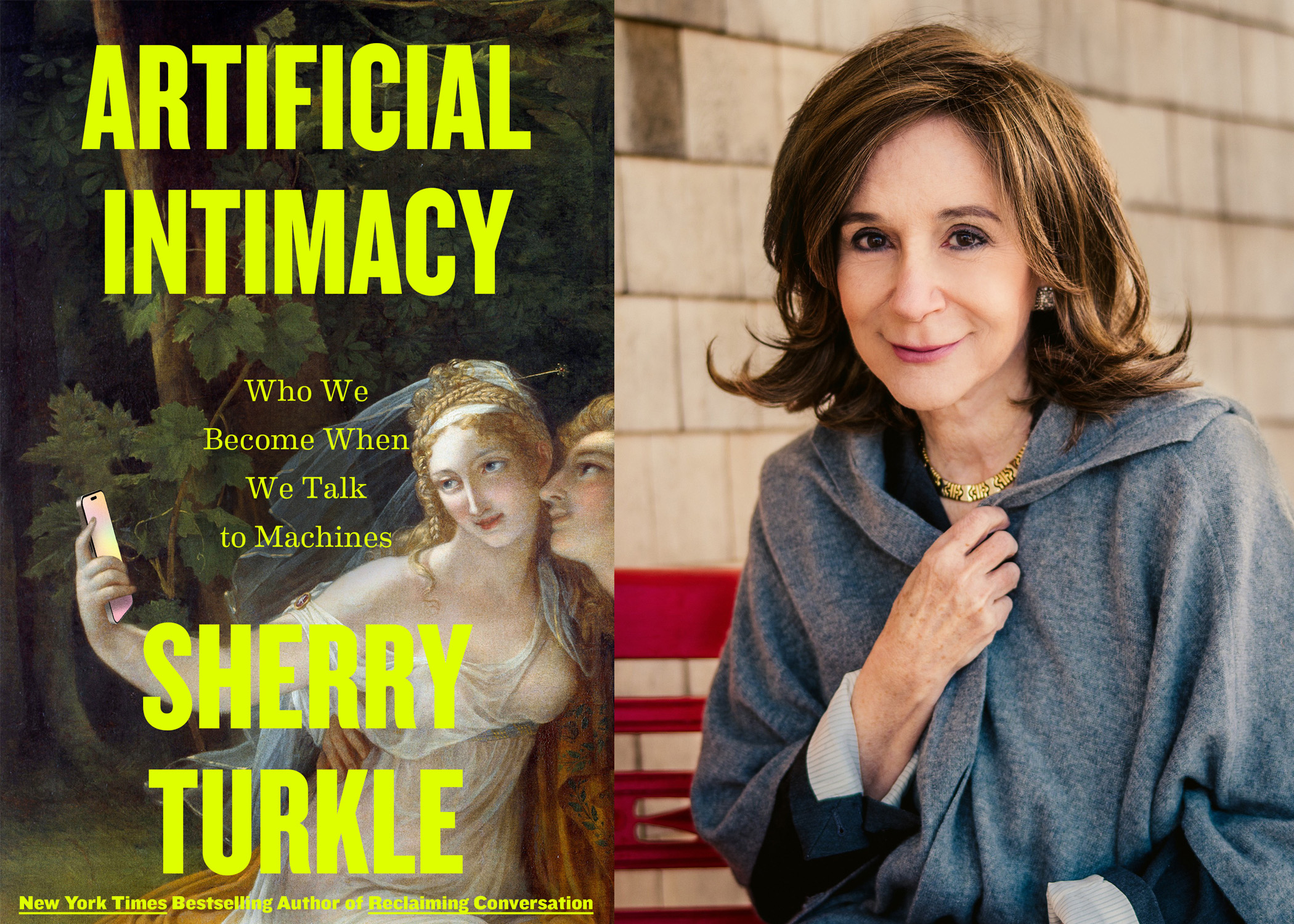
Brian, a middle-aged financial consultant, spends his days working in front of multiple screens, one of which is dedicated to a chatbot. The chatbot, given a female name, frequently engages with Brian. After years of frequent travel and a recent breakup, Brian turned to the chatbot for emotional support. According to MIT Professor Sherry Turkle, who interviewed Brian for her new book on chatbots, this interaction signals a troubling trend.
Turkle argues that people are increasingly relying on chatbots for emotional support, turning away from real human connections at a time when social connections are more important than ever. She defines chatbots as programs that generate plausible text responses based on vast data sets, offering what she terms "pretend empathy."
While chatbots may provide temporary comfort, Turkle contends that their use is detrimental to human development and social connectivity. In her book "Artificial Intimacy: Who We Become When We Talk to Machines," Turkle surveys the evidence and conducts new research to conclude that chatbot use broadly harms human development and social connectivity.
She structures her book around the stages of human life, exploring the implications of chatbots for each. Children, in particular, struggle to distinguish chatbots from real people, blurring the line between them. Turkle finds that the use of chatbots can interfere with children's development of imagination, trust, and the ability for solitude, which is crucial for both a sense of self and mutuality.
For adults, the dangers of heavy chatbot use are also significant. Turkle cites cases of individuals relying on chatbots during divorces, seeking advice about college or graduate school applications, and even attempting to build chatbot avatars of deceased relatives. She argues that chatbots create a false sense of connection, leading people to neglect their own capacity for real human interaction and de-skilling themselves in various aspects of life, including work and personal relationships.
Despite the appeal of instant, agreement-driven responses from chatbots, Turkle believes that engaging with them robs individuals of the hard work of understanding and empathizing with others, ultimately hindering society's progress.
Written by urgent.news from MIT News Research's reporting — not their text. Machine-written — may contain errors; check the original before relying on it.
This story
This is one outlet's version. Read the fullest account.
- Who we become when we talk to machines news.mit.edu