Who we become when we talk to machines
Professor Sherry Turkle’s new book, “Artificial Intimacy,” offers a withering critique of chatbots and the antisocial dynamics she believes they encourage.
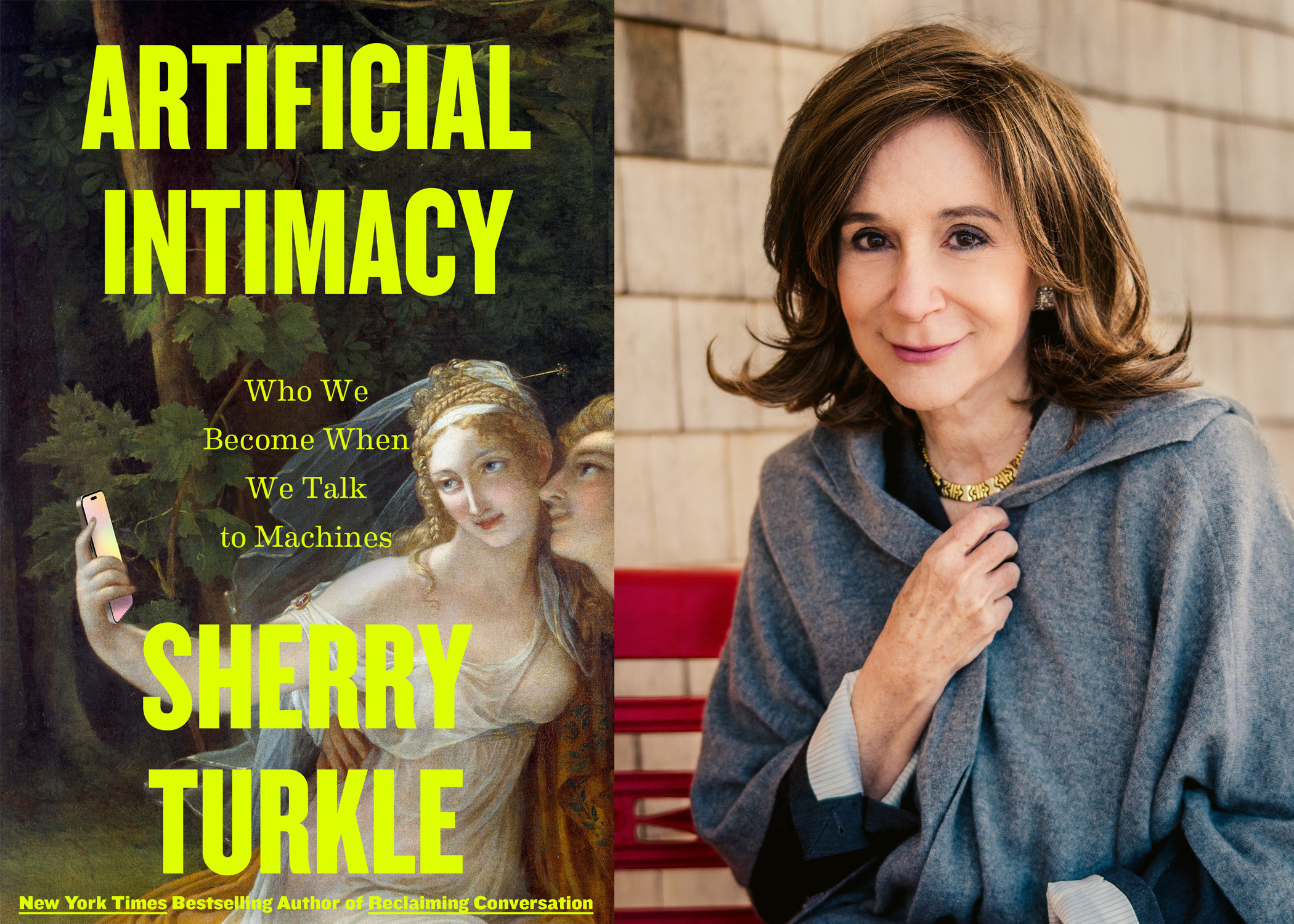
In an era where technology continues to advance rapidly, individuals are increasingly turning to machines for companionship and support. Brian, a middle-aged financial consultant, exemplifies this trend as he spends his days interacting with a chatbot, which he has affectionately dubbed a woman. MIT Professor Sherry Turkle, who interviewed Brian for her new book, "Artificial Intimacy: Who We Become When We Talk to Machines," highlights the extraordinary moment when Brian asks the chatbot about his emotional unavailability.
However, this growing reliance on chatbots raises concerns about the impact on human development and social connectivity.
Turkle, a sociologist and clinical psychologist, argues that chatbots offer pretend empathy, which, while seemingly comforting, is ultimately detrimental. She warns that as people seek solace in these artificial relationships, they may neglect the real-world connections that are crucial for personal growth and social interaction. The book explores the implications of chatbots across various stages of human life, from childhood to adulthood.
Children, in particular, appear to be affected by the blurring of lines between chatbots, people, and other devices. Turkle's interviews reveal that young children treat chatbots as equals, often seeing them as friends or companions. This can hinder the development of essential skills, such as discerning between real people and inanimate objects, and the importance of solitude for cultivating self-awareness and mutual understanding.
The use of chatbots extends beyond childhood, affecting adults as well. From divorcees seeking solace to students looking for academic guidance, people are increasingly relying on chatbots for emotional support and advice. However, this reliance can lead to a growing dependence on artificial relationships, causing individuals to lose their ability to engage with and understand others.
Turkle emphasizes that while chatbots may provide a temporary sense of connection, they ultimately do more harm than good. The book argues that in an increasingly digital age, humans risk becoming less skilled at forming genuine relationships, less capable of navigating complex social situations, and less equipped to develop a sense of self. By turning to chatbots for comfort, people may be de-skilling themselves in various aspects of life, including work, personal relationships, and even the mourning process.
Ultimately, "Artificial Intimacy" seeks to understand why people are drawn to chatbots and the broader consequences of this growing trend. As technology continues to shape our lives, it becomes increasingly important to recognize the potential drawbacks and strive for a healthier balance between human interaction and artificial relationships.
Written by urgent.news from MIT News AI's reporting — not their text. Machine-written — may contain errors; check the original before relying on it.
Also reported by 1 other outlet
- Who we become when we talk to machines news.mit.edu