Who is polluting SA’s water? New register set to expose polluters
The Department of Water and Sanitation is expected to launch a public register of entities facing enforcement action for polluting South Africa’s water resources.
From October 1, 2026, South Africans will have the ability to identify which municipalities, companies, and entities have faced formal enforcement for polluting the nation's water resources. The Department of Water and Sanitation (DWS) will introduce its National Pollution Register on that date. The register aims to provide public access to data on entities that have received directives, been convicted of pollution-related offenses, or ordered to pay damages due to water pollution.
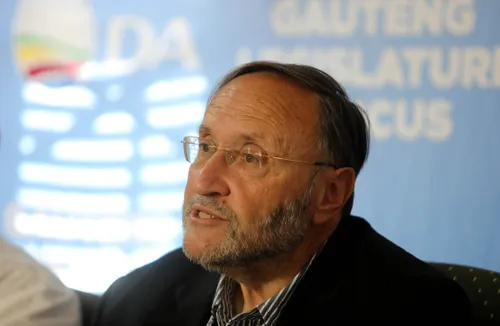
Ahead of the launch, Deputy Minister of Water and Sanitation Dr Jack Bloom will tour two sites that illustrate how pollution upstream impacts downstream water availability. The first site is the Hartebeestfontein Wastewater Treatment Works, which received a DWS directive in August 2025 for pollution. The treated wastewater from this location eventually flows into Rietvlei Dam.
The DWS will then visit the Rietvlei Water Treatment Plant, where deteriorated raw-water quality has hindered the city's use of the dam as a drinking-water source. Following the site visits, the official launch of the register will take place, with a demonstration of how the public can utilize it. Dr Ferrial Adam, the executive director of WaterCAN, a South African civil society organization, views the National Pollution Register as a positive development.
However, Adam emphasizes that the register's true worth will depend on the government's transparency and willingness to hold polluters accountable, regardless of their identity – whether they are municipalities, government institutions, or private companies. Adam highlights that while naming polluters is a crucial first step, South Africans also deserve to know the enforcement actions taken, the meaninfulness of penalties, and most importantly, whether the pollution ceases.
Written by urgent.news from IOL's reporting — not their text. Machine-written — may contain errors; check the original before relying on it.