WHO calls for targeted healthcare support for vulnerable communities in Upper East
The World Health Organisation (WHO) has pledged to strengthen its support for healthcare delivery in the Upper East Region, with a focus on vulnerable populations and the health challenges associated with the region’s borders with Burkina Faso and Togo.
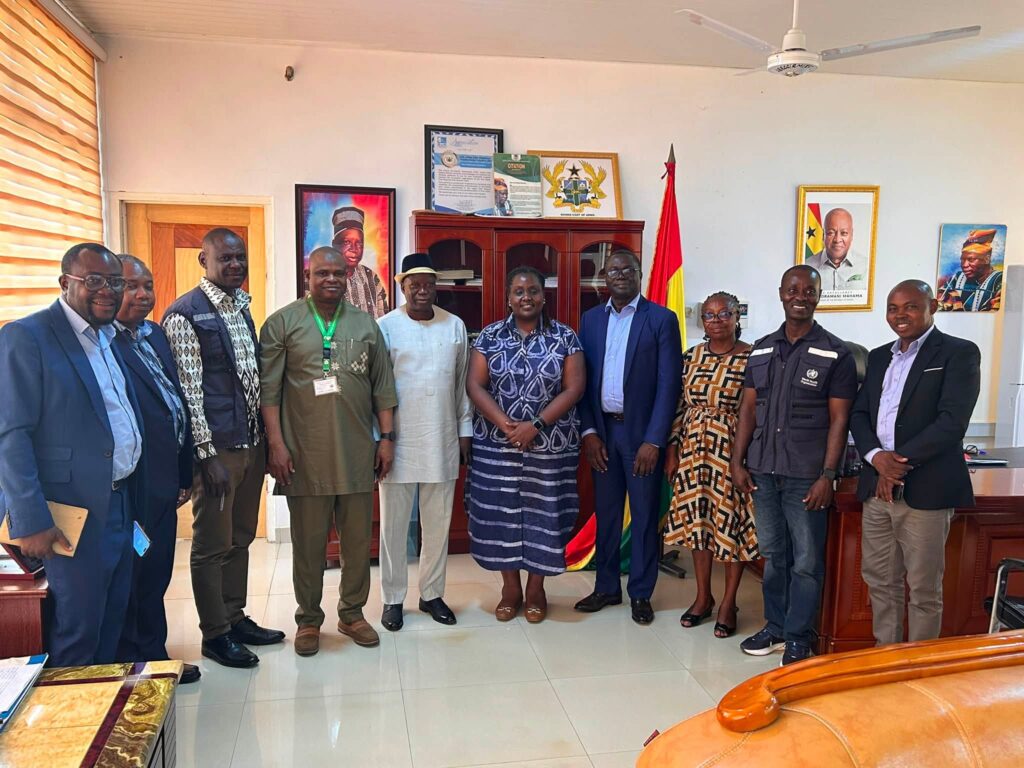
The World Health Organisation (WHO) has pledged to intensify its support for healthcare delivery in Ghana's Upper East Region, with a particular emphasis on vulnerable populations and the unique health challenges posed by the region's proximity to Burkina Faso and Togo. Dr Fiona Braka, the WHO Representative to Ghana, made this commitment during a courtesy call on the Upper East Regional Minister, Akamugri Donatus Atanga, as part of a familiarization visit to the area.
The visit aimed to enable the organization to better comprehend the region's healthcare system, priorities, and challenges, thereby guiding its assistance. Dr Braka highlighted that the region's international border location presents specific hurdles, notably in disease surveillance, cross-border health collaboration, and healthcare accessibility.
She reiterated WHO's commitment to backing Ghana's health priorities, encompassing the Free Primary Health Care initiative, universal health coverage, and endeavors to lessen financial impediments to healthcare. The organization focuses on vulnerable groups, including women and children, as well as individuals who encounter obstacles in accessing healthcare services.
Dr Braka also urged the Regional Coordinating Council and other local authorities to bolster healthcare delivery efforts via advocacy, investment in human resources and infrastructure, and community mobilization. The Upper East Regional Minister, Akamugri Donatus Atanga, welcomed the WHO delegation and advocated for special consideration for the region in the organization's healthcare interventions, citing its vulnerability and border location.
He attributed the region's vulnerability to limited employment opportunities and its proximity to Burkina Faso and Togo, which place additional strain on its health facilities. Mr Atanga noted that individuals entering the region from neighboring countries, including those fleeing adverse conditions, also rely on local health services, further taxing the available resources.
Written by urgent.news from MyJoyOnline Ghana's reporting — not their text. Machine-written — may contain errors; check the original before relying on it.