US to withdraw more oil from emergency stockpile as country faces rising fuel prices
The US on Tuesday said it would release more oil from the country's emergency stockpile in an effort to contain rising fuel prices due to energy supply disruptions from the Iran war. The Energy Department said it was offering to loan energy companies up to 40 million barrels of crude oil from the Strategic Petroleum Reserve . The offer represents the last of the drawdown of 172 million barrels…
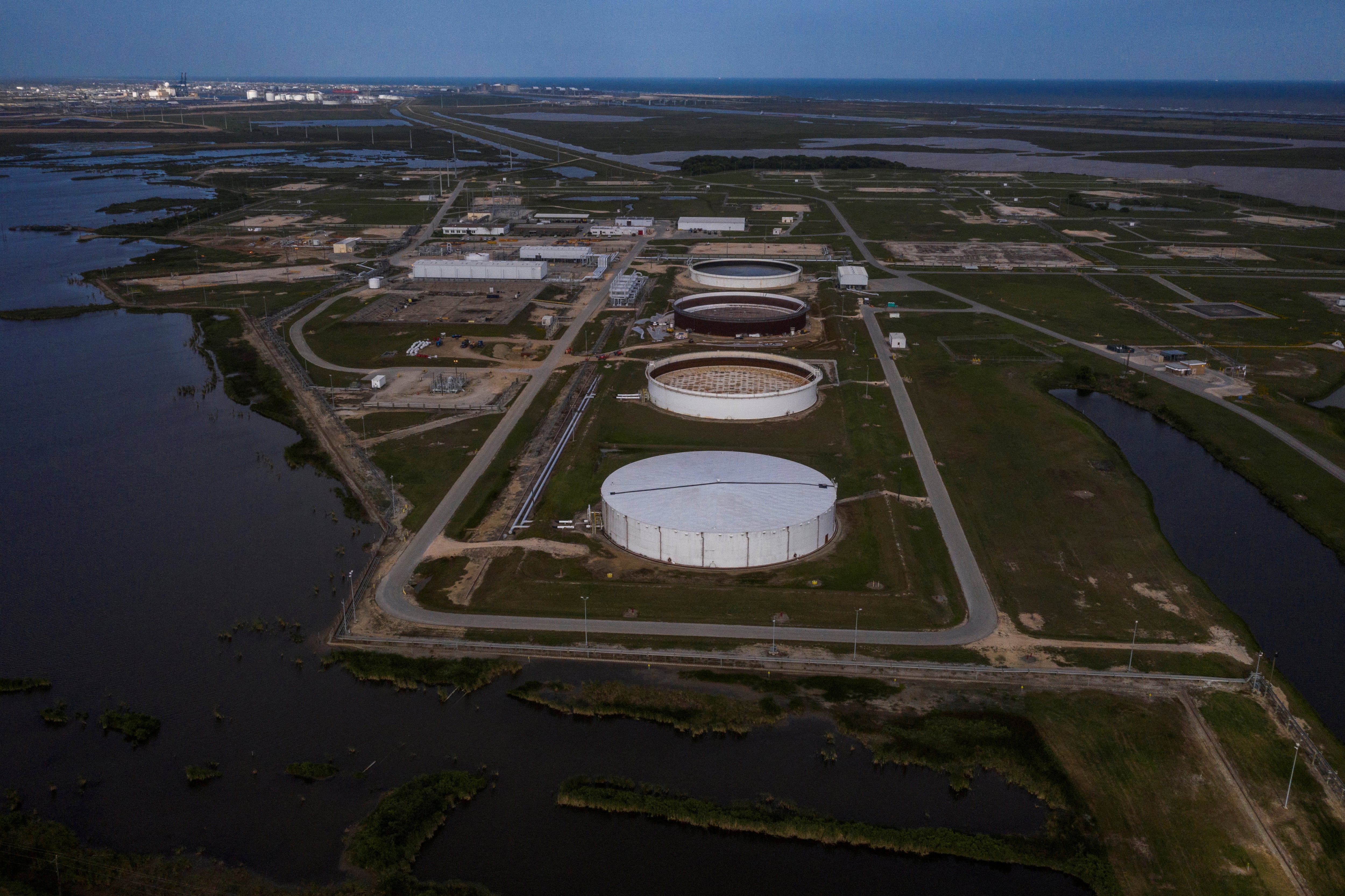
The United States announced on Tuesday that it will release additional oil from its emergency stockpile to address the surge in fuel prices caused by disruptions in the energy supply due to the Iran war. According to the Energy Department, the offer includes a loan of up to 40 million barrels of crude oil from the Strategic Petroleum Reserve (SPR), which marks the final step in a 172 million barrels drawdown from the reserve, ordered in March.
Bids for the oil are due by October 6. Energy Secretary Chris Wright stated that the US remains committed to coordinating efforts to stabilize oil markets for the benefit of Americans and people worldwide. The SPR is anticipated to reach its lowest point since 1982 once the drawdown is finished. As of the week ending September 19, government data recorded reserve inventories at 284.5 million barrels, with the minimum safe operation level set at 250 million barrels.
In March, the US, along with other members of the International Energy Agency, agreed to withdraw 172 million barrels of crude from its stockpile alongside other IEA members to curb rising energy prices stemming from the closure of the Strait of Hormuz and strikes on key energy sites across the Gulf. However, the US claimed that "several European member countries have released only a fraction of the crude oil and petroleum products they pledged."
Energy Secretary Wright urged every member country to honor its commitments. IEA chief Fatih Birol participated in an EU energy meeting in Brussels, where he suggested that member states could discuss the potential release of more reserves onto the market. European Energy Commissioner Dan Jorgensen also indicated discussions with Birol about a possible stock release, emphasizing the need for further talks.
The recent surge in petrol costs, driven by the US and Israel's coordinated strikes against Iran on February 28, has heightened political pressure on President Donald Trump and Republicans ahead of the November midterm elections. The average petrol price has reached over $4 per gallon, compared to $3 per gallon the same time last year, while diesel prices have breached $6 per gallon, up from $2.5 per gallon a year ago, according to the automotive group AAA.
On Sunday, President Trump mentioned that the White House was "very seriously" considering an export ban on diesel to alleviate the rising oil prices, an idea met with resistance from the US energy industry, which warns it could further harm energy markets and consumers.
Written by urgent.news from The National Business's reporting — not their text. Machine-written — may contain errors; check the original before relying on it.
This story
This is one outlet's version. Read the fullest account.