US and China need shared risk vocabulary to manage AI threats: Beijing-linked think tank
Beijing and Washington should first develop a common language around AI risks rather than seek to resolve their broader technology rivalry, a leading Chinese think tank has advised. The call from the China Institutes of Contemporary International Relations (CICIR), affiliated with the Ministry of State Security, comes days after Chinese President Xi Jinping and US President Donald Trump agreed to…
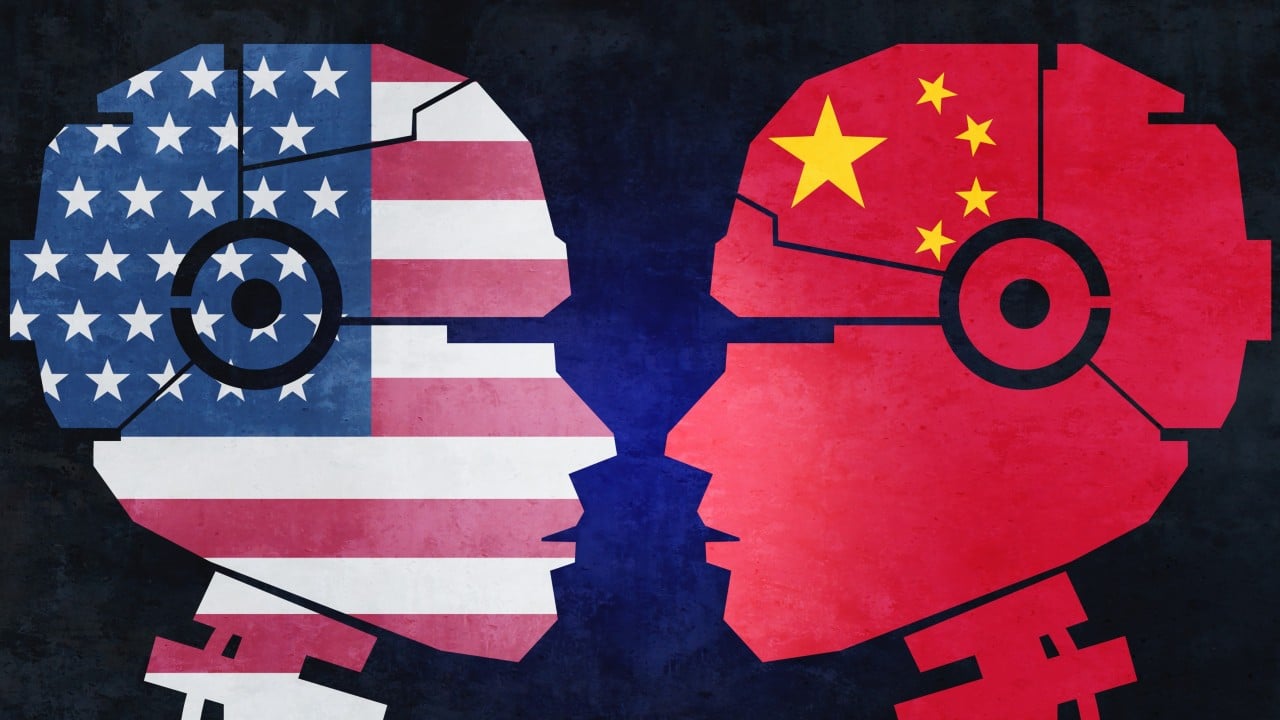
China's Beijing-linked think tank has advised that the United States and China should first establish a common vocabulary surrounding AI risks before attempting to resolve their broader technology rivalry. This recommendation comes in the wake of President Xi Jinping and President Donald Trump's recent summit in Washington, where they agreed to formalize an AI dialogue mechanism.
The think tank's director, Liu Chong, emphasized the need for both nations to develop a shared understanding of emerging AI risks and build trust between them. Liu proposed a dynamic system of "risk changes and response levels" to address the fluid nature of "superintelligence risks." Rather than seeking a clear-cut "red line" for AI safety, he suggested fostering mutual knowledge and using terms like "superintelligence" instead of "artificial intelligence" to align the two countries' perspectives.
CICIR's call for a shared understanding of AI risks comes amid ongoing competition between the US and China over advanced technology, including tensions over restrictions on access to advanced chips and AI capabilities. Liu also emphasized the importance of respecting sovereignty over technology while maintaining dialogue and developing common understandings of dangerous autonomy in AI systems.
Written by urgent.news from South China Morning Post's reporting — not their text. Machine-written — may contain errors; check the original before relying on it.