Hong Kong firms lag mainland China on AI adoption amid legacy-system burden: Accenture
Hong Kong businesses are lagging behind their mainland Chinese peers in adopting artificial intelligence, as entrenched legacy systems and a risk-averse corporate mindset slow the city’s digital transition, according to a senior executive at consultancy Accenture. Only 10 per cent of Hong Kong firms surveyed by Accenture had integrated generative AI across multiple business functions, compared…

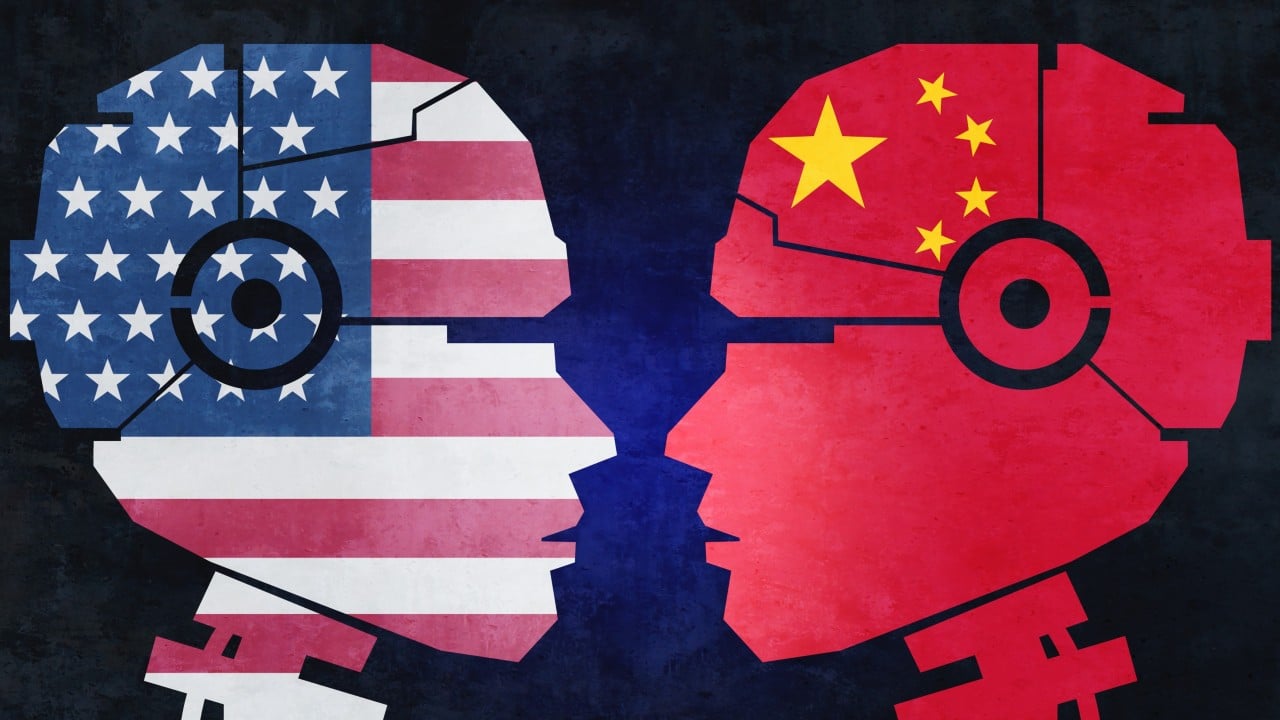
Hong Kong companies are falling behind mainland Chinese firms in adopting artificial intelligence (AI), according to a senior Accenture executive. Only 10% of surveyed Hong Kong businesses have integrated generative AI across multiple functions, compared to 21% of mainland enterprises, according to Robert Hah, Hong Kong lead at Accenture Greater China.
Mainland China's speed in AI adoption is driven by lower model costs and a thriving domestic developer ecosystem, particularly with firms like DeepSeek and Alibaba Group. Tech giants from China, including Ant Group, Tencent, Alibaba, and Baidu, showcased enterprise-focused AI at the World Artificial Intelligence Conference in Shanghai, signaling a shift from foundation model building to embedding AI in corporate workflows.
Hah attributes Hong Kong's slower pace to a "mindset shift" and entrenched IT infrastructure, which makes it less worthwhile to quickly change established operating models. This gap is similar to Hong Kong's historically slower adoption of e-commerce compared to the mainland. The city's government is pushing AI as a key driver for economic transformation, with initiatives like an "AI city brain" to manage extreme weather events.
However, the main obstacles to AI adoption are organizational, such as disconnects between business strategies and AI plans, and a shortage of digital talent. While 84% of surveyed organizations intended to create entry-level AI jobs, over half struggled to find talent capable of working with AI. Companies need to rethink jobs and workflows, not just add AI tools to existing processes.
Despite policy efforts, early adopters in financial services, banking, and insurance are likely to lead AI automation efforts, while sectors like retail, consumer goods, and hospitality lag behind due to workforce shortages and economic pressures.
Written by urgent.news from SCMP Tech's reporting — not their text. Machine-written — may contain errors; check the original before relying on it.
This story
This is one outlet's version. Read the fullest account.