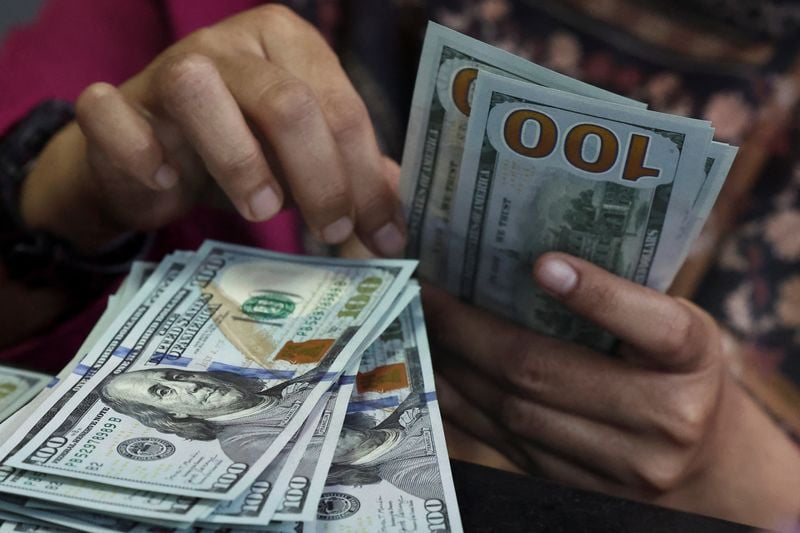
United States Dollar Index strengthens as oil surge bolster Fed rate hike bets
The US Dollar Index (DXY), which measures the value of the US Dollar (USD) against six major currencies, is extending its gains for the second successive day and trading around 101.20 during Asian hours on Tuesday.

The US Dollar Index (DXY) continued its upward trend for a second day, trading around 101.20 during Asian hours on Tuesday. The strengthening currency was buoyed by ongoing concerns over US-Iran negotiations, which kept oil prices high. This sustained pressure on energy costs raised the likelihood of the Federal Reserve raising interest rates further to tackle inflation.
Oil prices rebounded after Iranian officials doubted reaching an agreement before the upcoming US midterm elections in November, following President Trump's rejection of Tehran's latest proposal. Heightened inflation concerns and the expectation of additional rate hikes drove Treasury yields to record highs, with both the 10- and 30-year yields surpassing the 5% mark.
Following the Federal Reserve's initial rate increase of three years, market participants now estimate a 70% probability of another rate increase in October. Rabobank analysts note that the speculative positioning in the Dollar has remained relatively stable, with net long positions in USD unchanged, as equal increases in both long and short positions occurred.
Investors are now focusing on forthcoming US economic data, particularly the US Personal Consumption Expenditures (PCE) inflation report on Wednesday and the Nonfarm Payrolls report on Friday. The US Dollar, used by the United States and many other countries, is the most traded currency globally, representing over 88% of foreign exchange turnover.
The value of the US Dollar is primarily influenced by monetary policy set by the Federal Reserve, which aims to maintain price stability and promote full employment. The Fed uses interest rates as the primary tool to achieve these objectives. When inflation rises above the 2% target, the Fed raises rates to bolster the Dollar's value.
Conversely, when inflation falls below 2% or unemployment rates are too high, the Fed may lower interest rates, which negatively impacts the Currency. In extreme situations, the Federal Reserve can also increase the money supply through quantitative easing (QE), a last resort when lowering interest rates is not sufficient.
Written by urgent.news from FXStreet's reporting — not their text. Machine-written — may contain errors; check the original before relying on it.
This story
This is one outlet's version. Read the fullest account.
- New Zealand Dollar steadies near its lows as RBNZ hike bets keep building fxstreet.com
- Dollar hold near two-month peak as yields rise, Fed data looms channelnewsasia.com
- Dollar holds near two-month peak as yields rise, Fed data looms brecorder.com
- Dollar hold near two-month peak as yields rise, Fed data looms investing.com