'Toxic Smoke, Fragile Lives': The hidden cost of air pollution by Agbogbloshie's e-waste
Lying less than a kilometre from the Central Business District of Accra is a notorious e-waste hub, Agbogbloshie - a place that has been a focal point of academic, institutional and media research for decades for its contribution to air pollution.
The World Health Organisation (WHO) estimates 62 million tonnes of electronic waste are discarded annually, though less than a quarter is recycled properly. A 2024 study by UNITAR revealed 77.7% of global e-waste is not formally collected or recycled, highlighting significant public health concerns. Agbogbloshie, situated near Accra's Central Business District, is a notorious e-waste hub contributing to air pollution.
Scavengers extract valuable parts from discarded gadgets across the world before repurposing them; however, this process poses severe environmental and societal risks.
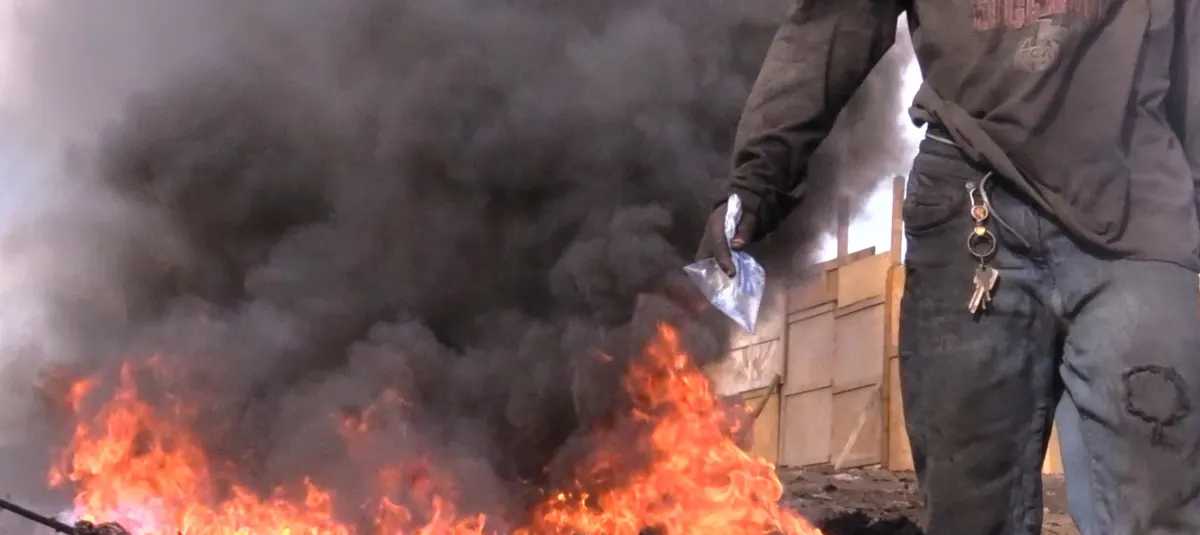
Scrap dealers extract copper from cables by burning them, releasing hazardous substances like lead and mercury. "Toxic Smoke, Fragile Lives," a documentary premiering on TV3 Ghana on October 4, 2026, has documented dangerously high pollutant levels exceeding WHO standards at Agbogbloshie for extended periods. This air quality crisis is multifaceted, involving methane emissions from general waste, carbon emissions from vehicles, and open burning of electronic waste, along with household and commercial cooking activities.
Scrap dealers in Agbogbloshie collect waste from unspecified sources, smashing and sorting consumer electronics to extract metals. Many migrated from northern Ghana to Accra for better economic opportunities but now face health risks. One dealer, Ibrahim, explained their reliance on copper extraction, noting that other metals offer little return.
Mohammed Sofo, another burner boy, acknowledged the health impacts, with residents suffering from malaria and frequent hospital visits. The practice, while economically lucrative, carries significant dangers, including respiratory issues and explosions from burning materials like airbags. Despite these hazards, the Burner Boys continue their dangerous work, driven by necessity and limited alternatives.
Written by urgent.news from 3News's reporting — not their text. Machine-written — may contain errors; check the original before relying on it.