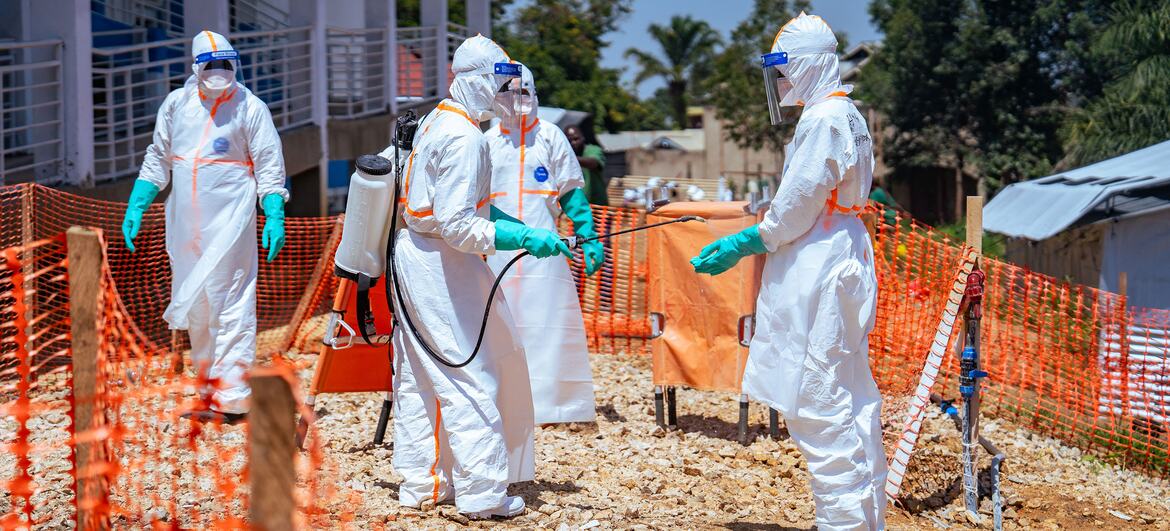
The Trump administration said it would prioritize ending mother-to-child HIV transmission. Health workers say it cut services
Dr. Theopista Masenge was at the hospital in Mbeya, Tanzania, rolling out new treatments for children with high HIV viral loads when she got the call: Stop work, now. It was January 2025, and the health care program the pediatrician was implementing, which provided services for HIV-exposed infants, children and pregnant women, had just received … The post The Trump administration said it would…
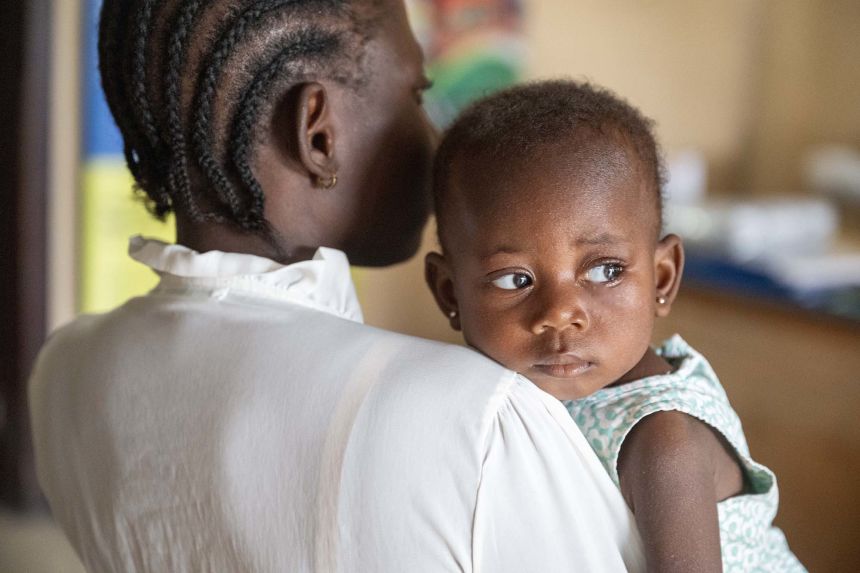
Dr. Theopista Masenge was preparing to launch a pediatric program for children with high HIV viral loads in Mbeya, Tanzania, when the United States Agency for International Development (USAID) abruptly terminated its funding in January 2025. The pediatrician, who had been working for nearly 40 years, lost her job shortly after. The once-thriving system was now gone, leaving a significant impact on HIV/AIDS services for children and pregnant women, according to Masenge.
Despite a limited return of US government funding, disruptions to these services persist across Tanzania and other regions in Africa, Asia, and beyond. A new study by the Foundation for AIDS Research (amfAR) reveals that 63% of the 166 organizations surveyed reported disruptions to mother-to-child HIV transmission prevention services. Twenty-two percent of these organizations even ceased providing such services entirely due to funding cuts.
The amfAR survey, conducted in collaboration with Johns Hopkins University, examined 46 countries, representing 23% of all PEPFAR partner organizations. While the US administration claimed that HIV services to prevent mother-to-child transmission would be prioritized, the amfAR survey found that 1,714 health clinics supported by PEPFAR closed worldwide last year.
Dr. Masenge, now the president of the Paediatric Association of Tanzania, expressed her primary concern for the quality of care for mothers and children. They are not returning to facilities to pick up medication due to the perceived deterioration of services, and early infant diagnosis is also suffering. The US State Department dismissed the amfAR survey as having flawed methodology, stating that PEPFAR has been strengthened through increased recipient-country ownership and a focus on measurable health outcomes.
However, experts argue that the decline in the number of children starting new HIV treatment indicates that they are losing access to care.
Written by urgent.news from Egypt Independent's reporting — not their text. Machine-written — may contain errors; check the original before relying on it.