The DOJ’s Collapsing Probe Into a Supposed Anti-Trump Conspiracy
It’s buckling under the weight of strategic errors, staff turnover, and, most of all, the facts.
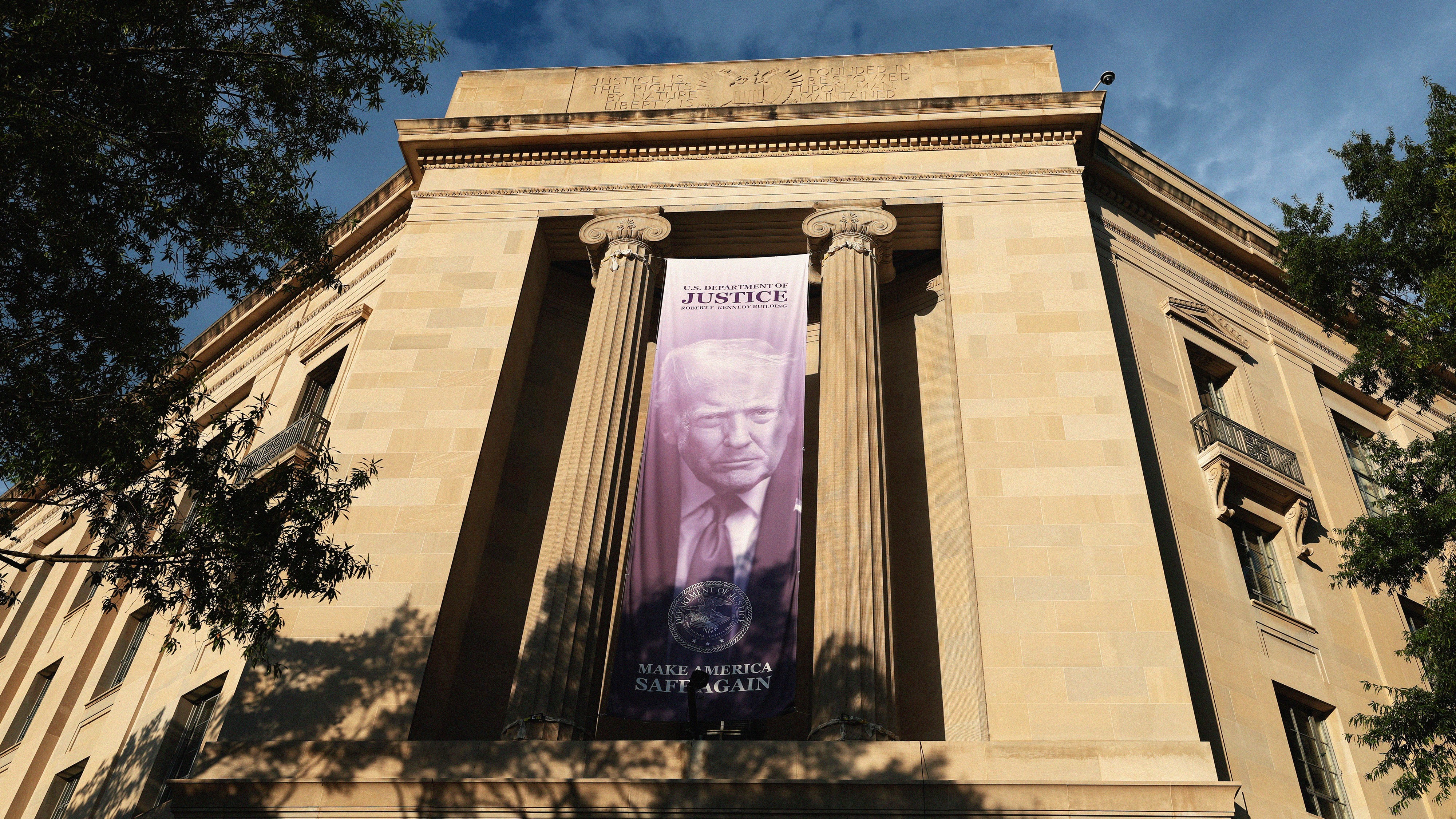
President Trump's return to office in 2021 triggered a series of actions aimed at punishing those who had investigated him during his term. The Department of Justice launched a significant investigation into a "grand conspiracy" to persecute Trump politically, relying on testimonies from former agents who had been involved in related searches.
Lawyers representing these agents filed a motion, seeking assurances that they would not violate a federal judge's order prohibiting the publication of Special Counsel Jack Smith's report. The agents were not expected to provide incriminating information about a conspiracy, as the facts surrounding the Mar-a-Lago case were straightforward: Trump had removed sensitive documents and refused to return them.
The probe, which entangled investigations of the 2016 campaign's ties to Russia and others, had already faced setbacks, such as the removal of a lead prosecutor for deeming there was insufficient evidence to charge John Brennan. The grand conspiracy investigation, fundamentally premised on the notion that Trump and his associates were guilty, presented inherent risks and displayed its flaws during Smith's testimony, highlighting the potential for politically motivated prosecution.
Written by urgent.news from The Atlantic's reporting — not their text. Machine-written — may contain errors; check the original before relying on it.