Defying war fears, Gulf oil producers keep massive crude flows moving through Strait of Hormuz
Gulf oil producers are moving far more crude through the Strait of Hormuz than many expected possible, using US Navy-backed workarounds to keep one of the world’s most important energy corridors operating despite Iran’s pressure. Oil and petroleum-product flows through the strategic waterway averaged 13.1 million barrels per day last week, according to marine-tracking firm Kpler. That is just…
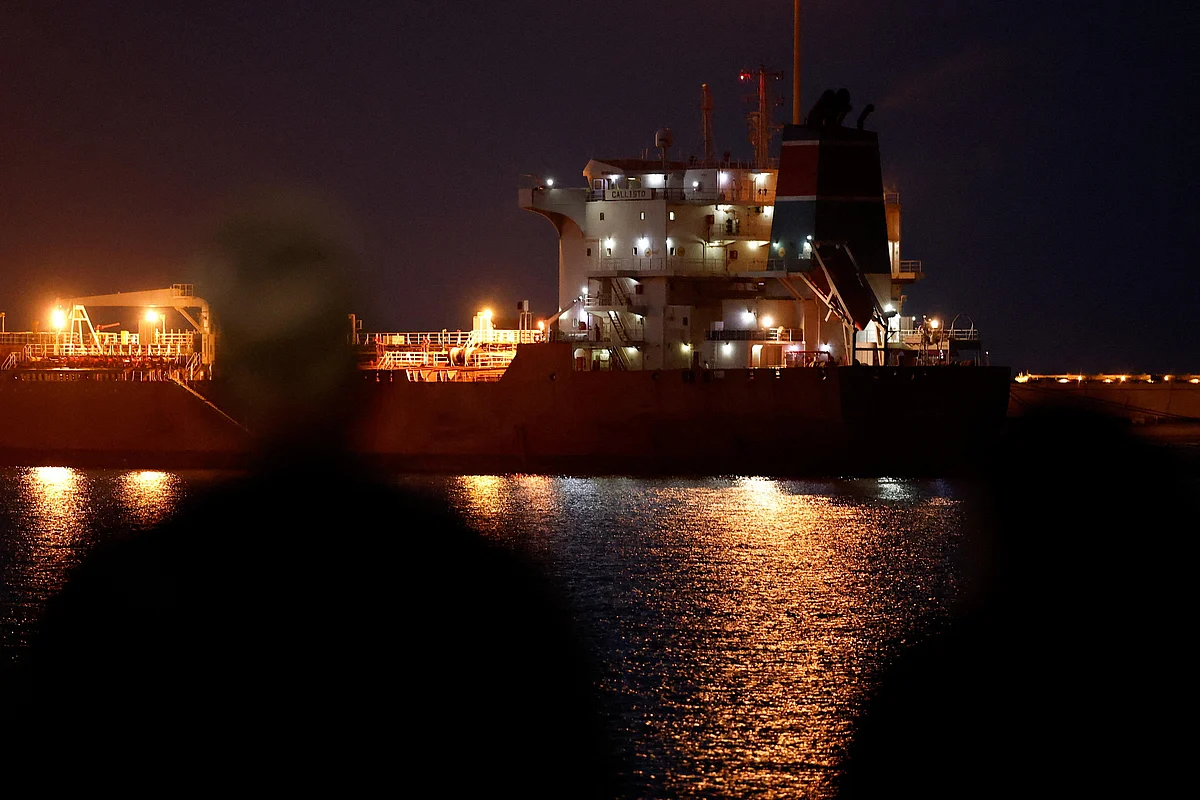
Oil producers in the Gulf are surging crude through the Strait of Hormuz despite Iran's pressure, as revealed by marine-tracking firm Kpler. Last week, the average daily crude flow reached 13.1 million barrels, just below 80% of pre-war levels. This surge highlights Iran's waning influence over the critical energy corridor. US-backed workarounds, including military-escorted tankers, covert "dark" transits, and rerouted exports, have aided in restoring a substantial portion of Middle Eastern oil shipments.
However, this arrangement remains insecure, as it may only provide temporary relief. The US is investing heavily in protecting shipping, while global oil inventories are dwindling and fuel prices remain high. While the market has found ways to avoid worst-case scenarios, it has relied more on inventory drawdowns and emergency logistics rather than a full restoration of normal trade.
Long-term disruptions could lead to supply shortages and skyrocketing prices, forcing the market to ration demand through higher costs.
Written by urgent.news from Gulf News's reporting — not their text. Machine-written — may contain errors; check the original before relying on it.