Starship finally makes orbit but engine trouble cuts the victory lap short
SpaceX deployed 26 Starlink V3 satellites before bringing its planned ten-hour flight home after three
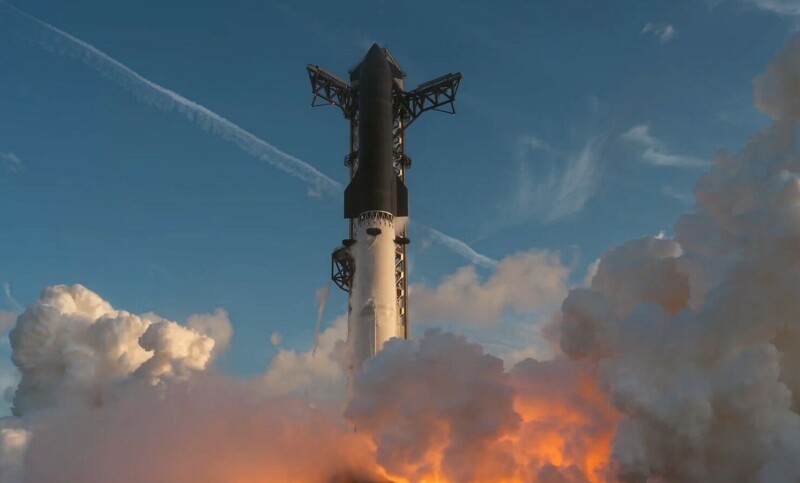
SpaceX's Starship successfully reached orbit and deployed 26 Starlink V3 satellites, although engine problems cut the six-orbit flight short. During ascent, one of the 33 Raptor 3 engines shut down, prompting the booster to reignite 26 of the 28 engines planned for its boostback maneuver. Starship performed a controlled descent, with the engines reigniting multiple times before stepping down to five and then three for the landing burn.
The vehicle splashed down in the Gulf of Mexico, where its flight termination system was deliberately triggered to test safety hardware. The premature shutdown of one of Starship's vacuum-optimized Raptors during ascent required additional fuel to compensate, resulting in a longer burn to enter orbit. Despite the challenges, controllers decided to proceed with the mission after verifying that all three sea-level Raptors remained functional.
After deploying the satellites, Starship completed its coast around Earth but was cut short in an abundance of caution, deorbiting and splashing down in the North Pacific after about three hours. This marked a significant milestone for Starship, but the premature Raptor shutdown raises concerns for future missions, particularly for a lunar landing.
NASA's inspector general highlighted the need for a propellant depot and multiple tanker launches, which SpaceX has yet to demonstrate in orbit. The revised Artemis III mission, now a low Earth orbit docking demonstration, will not require a tanker campaign, but orbital refueling and rapid propellant transfers will be crucial for the first crewed landing in Artemis IV in 2028.
Written by urgent.news from The Register's reporting — not their text. Machine-written — may contain errors; check the original before relying on it.
This story
This is one outlet's version. Read the fullest account.