Starship finally makes orbit but engine trouble cuts the victory lap short
SpaceX deployed 26 Starlink V3 satellites before bringing its planned ten-hour flight home after three
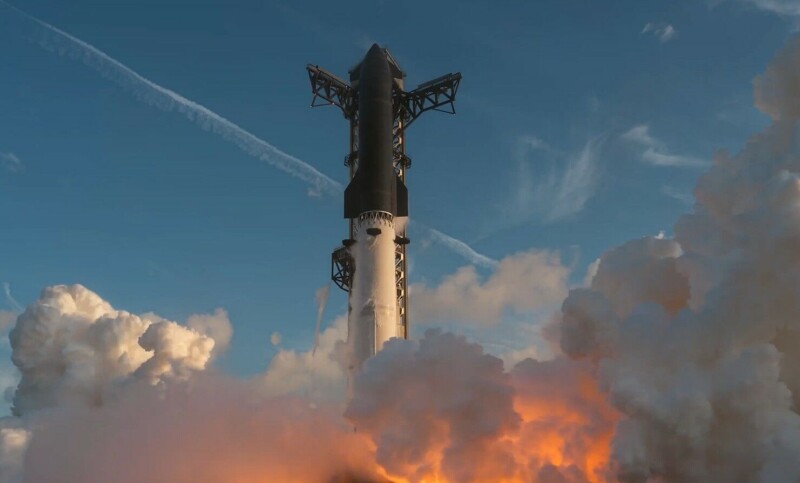
Elon Musk's SpaceX launched its Starship yesterday, successfully placing 26 Starlink V3 satellites into orbit. However, engine issues forced the vehicle to abort its planned six-orbit flight. Super Heavy experienced engine failure during its own ascent, but later reignited most of its engines. Starship's vacuum-optimized Raptors shut down prematurely, requiring an additional burn to reach orbit.
Despite the setbacks, SpaceX managed to deploy the satellites and begin its coast around Earth. However, controllers chose to cut the flight short for safety reasons after only three hours. The spacecraft subsequently crashed and exploded in the North Pacific after splashdown. While reaching orbit and completing a deorbit burn were significant milestones, the Raptor engine shutdown raises concerns for future lunar missions.
NASA's inspector general highlighted the need for a propellant depot and multiple tanker launches in SpaceX's lunar architecture. SpaceX has not yet demonstrated in-orbit propellant transfer, which is crucial for Artemis III in 2027, a low Earth orbit docking demonstration. For Artemis IV in 2028, a single Version 3 Starship with a docking system will support astronauts aboard Orion. Orbital refueling and rapid tanker launches will become vital for the first crewed lunar landing.
Written by urgent.news from The Register Science's reporting — not their text. Machine-written — may contain errors; check the original before relying on it.