Safe schools begin with adults noticing bullying signs
A child should never have to wait for harm to become unmistakable before someone notices and acts.
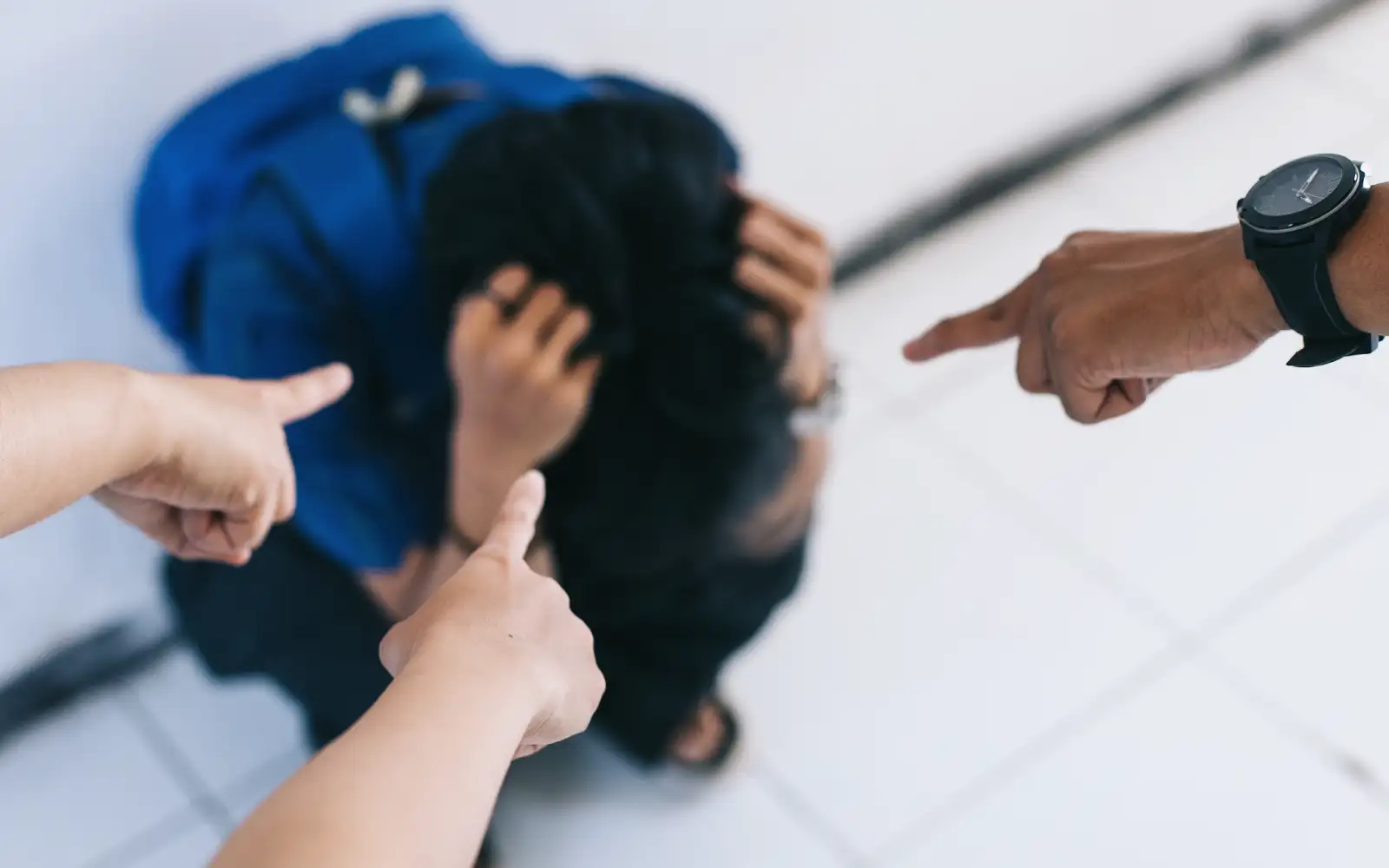
Bullying in school hostels rarely erupts in a single violent incident. Instead, it often manifests through repeated demands, playful jibes, and subtle acts of control that become accepted norms over time. This pattern can be hard for adults to detect, as these behaviors may appear innocuous when viewed in isolation. However, for a younger student, these seemingly unrelated moments can form a disturbing pattern.
An older student may be expected to fetch water late at night, wait to bathe until others are finished, or endure mocking remarks. The bullied child may comply to avoid becoming a target themselves, not realizing their discomfort is being normalized by their peers and seniors alike. Adults must learn to recognize these subtle signs of bullying, as they can become severe if left unchecked.
Schools should establish clear boundaries about what constitutes acceptable behavior, emphasizing that seniors may guide students but may not command, punish, humiliate, or physically harm them. When a credible concern about bullying is raised, adults must investigate the matter fairly and take appropriate action. Establishing a credible zero-tolerance policy is only effective when the rule is consistently taught, applied, and enforced.
Reporting bullying should be a straightforward and safe process, with the first adult to hear a concern taking immediate action. This could be a teacher, counsellor, warden, religious educator, or parent. They should listen attentively, verify the child's safety, and ensure the concern reaches someone who can intervene. The school principal or headmaster must ensure that the concern is thoroughly investigated, fairly judged, and addressed with proper protective measures.
These protective measures should be in place both during the investigation and after the incident has been resolved. A child may be hesitant to report bullying for fear of retaliation or social isolation. Therefore, it's crucial to have multiple trusted avenues for reporting concerns, ensuring that no child feels compelled to approach the very person they fear.
Building trust is an ongoing process, requiring adults to demonstrate consistent action following a report. Clear boundaries must be communicated to students, parents, and staff before hostel life begins and reinforced throughout the year. Welcoming newcomers and helping with daily tasks are positive aspects of hostel life. However, personal errands imposed by seniors, punishments handed down privately, humiliating rituals, taking belongings without consent, or unwanted physical contact are not acceptable behaviors.
Principals can set the tone, but they cannot achieve change alone. Wardens, who interact with students outside the classroom, teachers observing changes in a student's behavior or concentration, counsellors offering a private space for discussion, prefects modeling responsible leadership, religious teachers reinforcing the message in their daily interactions – all play vital roles in maintaining a safe and respectful environment.
Professional development for educators, counsellors, and administrators should include training on bullying detection, child development, trauma, and the unique dynamics of residential school life. This training should also provide opportunities for practicing difficult conversations and coordinating responses. It's essential to remember that children come from diverse backgrounds with varying experiences of respect and authority.
Some may be accustomed to polite disagreement and clearly defined boundaries, while others have endured harsh treatment so frequently that it has become the norm for them. These differences should not be used to judge students or their families but rather serve as a reminder that respectful conduct should be upheld and demonstrated for everyone, regardless of background.
Parents also play a crucial role by listening to their children's experiences without minimizing or exaggerating their concerns. It's important to ask probing questions about the nature and frequency of the incidents and whether the child feels safe returning to school. When witnessing bullying, students should know they can alert an adult without fear of confronting a group of aggressors.
A fair response should encompass both protecting the child who has been victimized and imposing appropriate consequences on the student responsible.
Written by urgent.news from Free Malaysia Today's reporting — not their text. Machine-written — may contain errors; check the original before relying on it.
Also reported by 1 other outlet
- Safe schools begin with adults noticing bullying signs freemalaysiatoday.com