Protein after illness: Who needs more and how to get enough
Recovering from an illness involves more than just feeling better; the body must repair tissues, maintain muscle, and regain strength. This process can be challenging, especially after a prolonged illness or hospital stay, particularly when appetite has diminished. Can consuming enough protein aid in a faster recovery? Dr Saurabh Juneja, Director & HOD at ISIC Multispeciality Hospital, offers insights.
Protein indeed plays a crucial role in recovery. It supplies the necessary building blocks for repairing tissues, maintaining muscle strength, and supporting the immune system. When ill, individuals often eat less, and the body may break down more muscle, particularly during extended infections or hospitalizations. Adequate protein intake can help mitigate muscle loss and bolster strength and physical function.
However, Dr Juneja emphasizes that protein is just one aspect of recovery. Other critical factors include adequate calories, fluids, sleep, treatment, and gradual physical activity.
Infections, fever, and inflammation can heighten the breakdown of body proteins, especially muscle protein, leading to a situation where the body loses muscle faster than it rebuilds it. Consequently, the body's protein needs may rise during certain illnesses, although the exact amount varies based on the severity and duration of the illness and the individual's overall health.
Certain groups may need to pay closer attention to protein intake. Older adults, those who have unintentionally lost weight or muscle, individuals with poor appetite, and people recovering from serious or prolonged illnesses are at higher risk of inadequate protein consumption. Older adults are particularly vulnerable, as they can lose muscle more easily during inactivity or illness.
Similarly, people who have spent considerable time in the hospital or experienced a severe infection may have significant muscle loss and weakness. In such cases, ensuring sufficient protein intake becomes crucial, but the appropriate amount should be tailored to the individual's nutritional status, illness, and medical conditions.
The required daily protein intake during recovery is not uniform across all individuals. While the general guideline for healthy adults is around 0.8 grams of protein per kilogram of body weight per day, those with illness may require higher amounts. Older adults with illness might benefit from 1.2–1.5 grams of protein per kilogram of body weight daily.
Severe illness or malnutrition may necessitate different amounts under medical supervision. However, increasing protein is not universally beneficial, especially for individuals with kidney disease or other medical conditions.
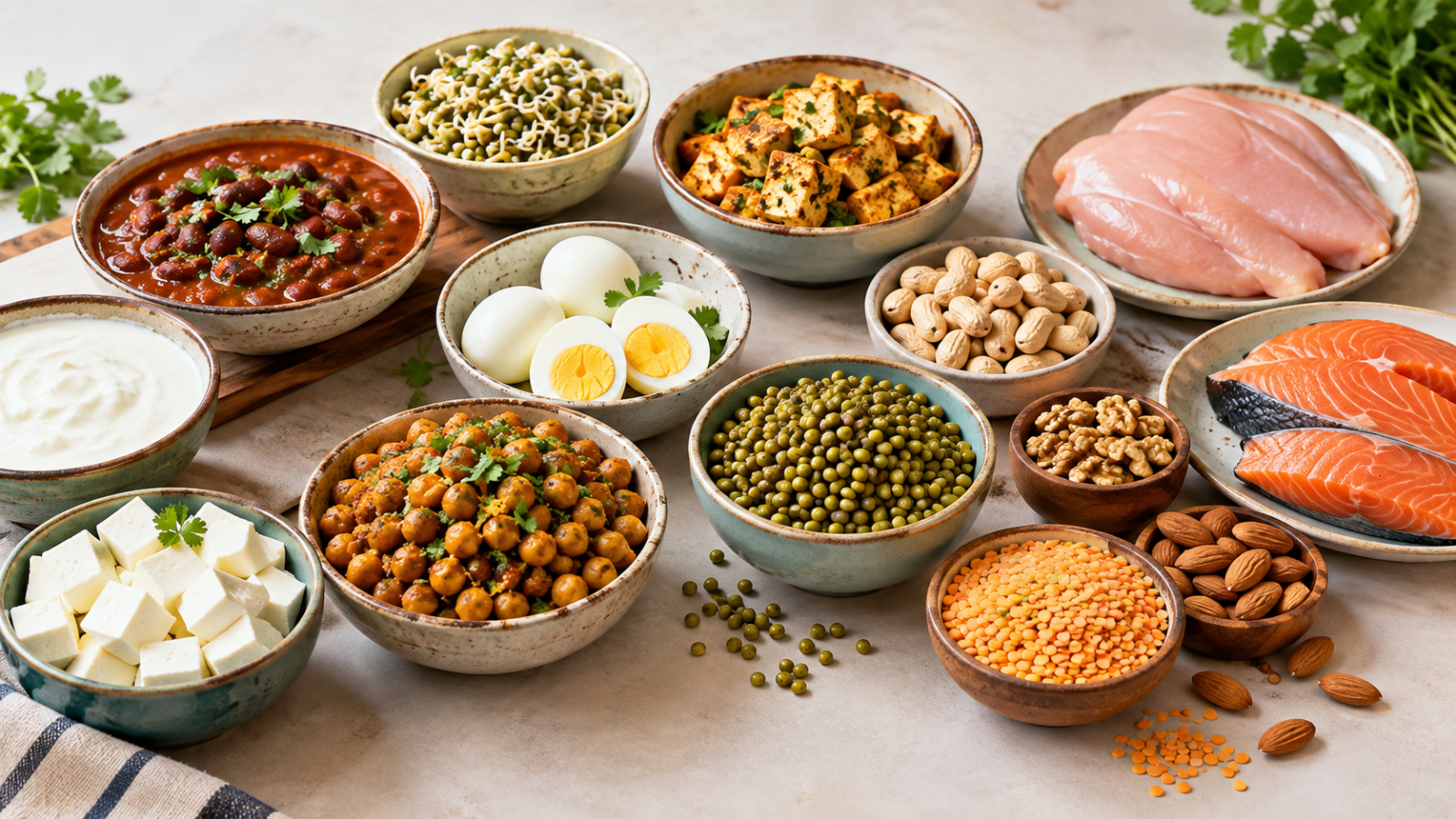
For those with a reduced appetite, smaller, more frequent meals are often more manageable than larger portions. Simple, protein-rich foods such as eggs, milk, curd, paneer, dal, beans, soy, fish, chicken, and other lean meats can be consumed. Smoothies or soft foods can also be fortified with milk or yoghurt to boost protein intake without significantly increasing meal volume.
For vegetarians, combining foods like dal, beans, soy, dairy, and grains can improve overall protein intake. If appetite remains poor, seeking professional advice from a doctor or dietitian is advisable to determine if nutritional supplements are appropriate.
Written by urgent.news from The Indian Express's reporting — not their text. Machine-written — may contain errors; check the original before relying on it.
This story
This is one outlet's version. Read the fullest account.
- Protein after illness: Who needs more and how to get enough indianexpress.com