Opinion: Massive SNAP cuts could mean more children are separated from their families
"We should not make families poorer and then punish them for their poverty," write Sandy Santana and Kristen Weber of the National Center for Youth Law.
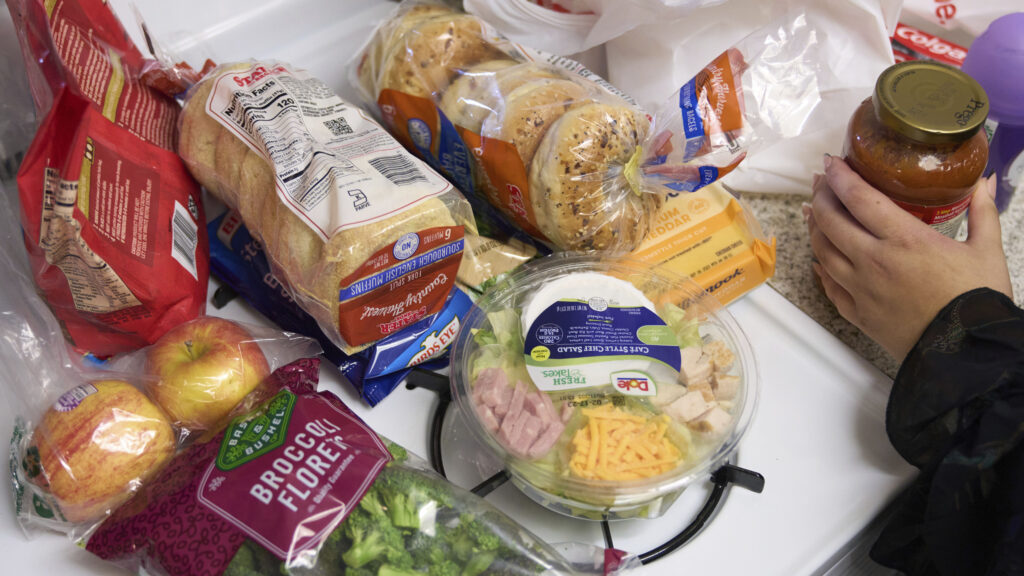
The largest cuts to the Supplemental Nutrition Assistance Program (SNAP) in history have already led to one and a half million children losing access to food assistance across the United States. The implications extend far beyond mere hunger. Studies indicate that when families are deprived of this crucial support, they become more vulnerable to scrutiny from child protective services, potentially leading to separation.
This occurs because poverty and neglect are frequently conflated within America's child welfare system. When parents cannot meet their children's basic needs due to financial constraints, the resulting conditions often attract the attention of child protective services. By eliminating essential resources that families require to nurture their children, the government inadvertently initiates a harmful cycle.
As these resources are withdrawn, the child welfare system may intervene, alleging neglect due to the families' inability to provide adequate care.
Written by urgent.news from STAT News's reporting — not their text. Machine-written — may contain errors; check the original before relying on it.