NDIS advocates are pushing for alternatives to group homes
Disability accommodation support is under federal government review to reduce NDIS costs, advocates say it should also encourage providers to expand the types of housing offered.
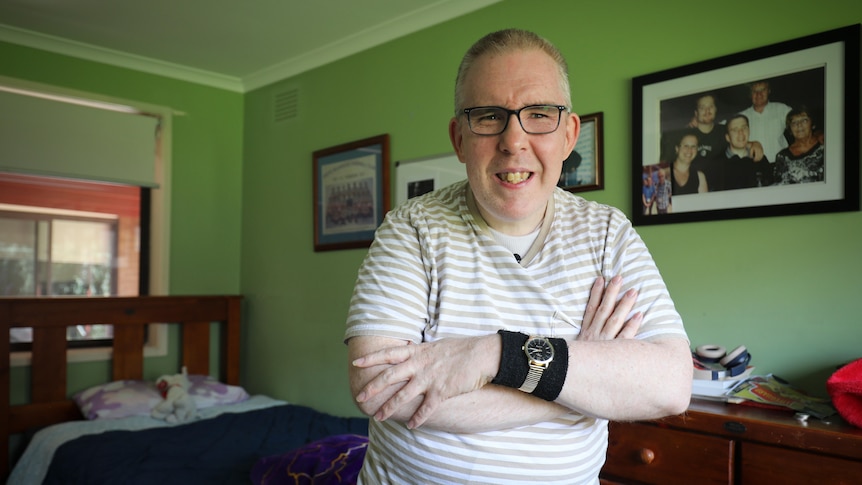
Jason Toppin lives with a vision impairment and intellectual disability in a group home run by St John of God Accord. The home, funded by Jason's NDIS plan, includes support for cooking, community outings, and overnight supervision. Jason values the close-knit community feel of the home, where he shares evenings watching TV and enjoys Friday nights out with takeaway. However, disability advocates argue that group homes like Jason's may face cuts to NDIS funding, prompting a search for alternative living arrangements.
The federal government aims to reduce the cost of the NDIS by $36 billion over four years. The Disability Royal Commission heard evidence of violence, abuse, and neglect in group homes, with a majority recommendation to phase them out. Experts stress that the issue lies not in the homes themselves, but in the quality of support provided.
One alternative is Individualised Living Arrangements (ILA), where people with mild to moderate support needs live with a flatmate in regular community properties. Meghan Kyne, one of nearly 500 Australians on ILA, shares a house with an intellectual disability flatmate. Her rent is subsidised, with separate funding for support workers to assist with tasks like cooking and laundry. The arrangement costs about $170,000 per year, compared to $230,000 for similar support within a group home.
Despite the cost savings, the NDIS is funding fewer ILA participants, down from 623 in 2024 to 482 in early 2025. Meanwhile, some are opting for drop-in and on-call support services like Mobile Attendant Care Service (MACS) for those who prefer living alone. With MACS support, Ms Ferguson, who has a physical disability, spends about $51,000 annually, much less than what paying for sleep-over support would cost. However, any changes to the disability housing market may limit these alternative options.
Written by urgent.news from ABC News AU's reporting — not their text. Machine-written — may contain errors; check the original before relying on it.