Okta builds shared architecture for agent runtime security
Agent runtime security requires controls across the technology stack as enterprises move AI agents into production. This week, Okta turned its agent security framework into a multivendor reference architecture through the Blueprint Alliance. The effort is intended to help buyers navigate competing vendor claims, according to Eric Kelleher (pictured), president and chief operating officer of […]…
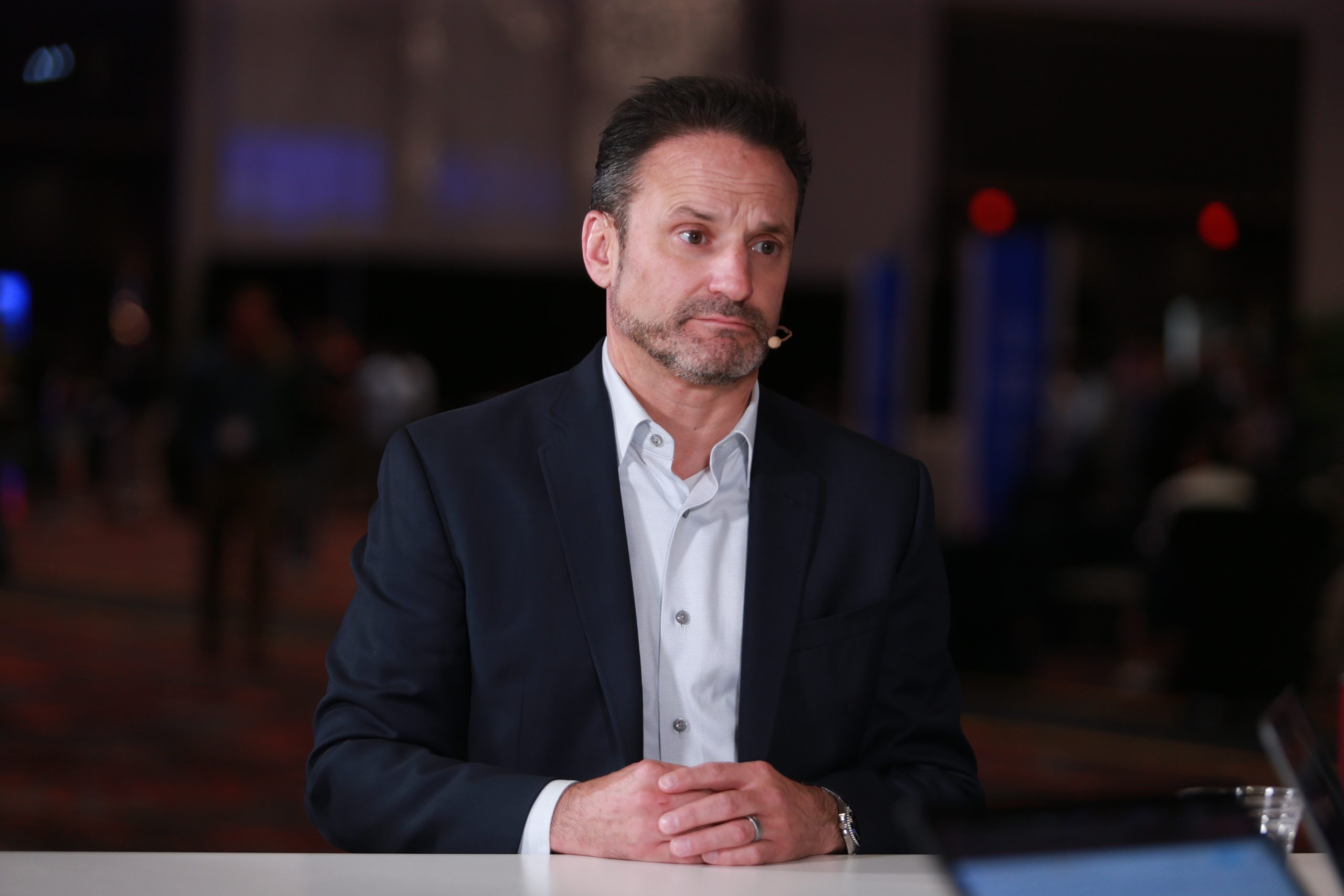
Okta has developed a shared architecture for agent runtime security, aiming to assist enterprises in managing AI agents in production. This architecture, created through the Blueprint Alliance, simplifies the complex landscape of competing vendor claims. Eric Kelleher, Okta's president and chief operating officer, highlighted the challenge of navigating this confusion and emphasized the need for a simple approach to securing AI.
The Blueprint Alliance architecture condenses agent security into four key questions: where agents are, what they can do, what they are doing, and how to respond. Okta incorporates its identity signals with endpoint and network telemetry to monitor agent behavior and detect anomalies. When a suspicious agent is identified, Okta can deactivate it, blocking new sessions, and plans to enhance its kill switch capabilities to revoke active tokens and sessions.
The appropriate response depends on the agent's behavior and the associated risk, which could range from redirecting the agent to resetting its permissions. Theo Kelleher discussed these aspects during an exclusive broadcast on theCUBE, SiliconANGLE Media's livestreaming studio, at Okta's Oktane event.
Written by urgent.news from SiliconANGLE's reporting — not their text. Machine-written — may contain errors; check the original before relying on it.