Nikkei, Yen, Hang Seng: Hohe US-Renditen und Ölpreis belasten Asiens Börsen
Die Rendite zehnjähriger US-Staatsanleihen erreicht den höchsten Stand seit 19 Jahren. Zinssorgen drücken den Nikkei ins Minus, während der Dollar leicht zulegt.
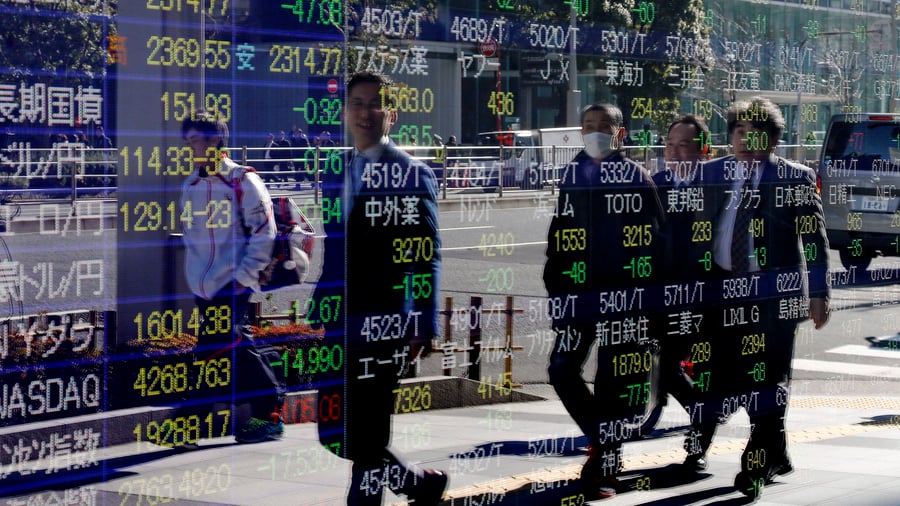
Asian stock markets faced challenges on Tuesday due to rising bond yields and high oil prices. The return on 10-year US government bonds increased to a 19-year high of over 5.27 percent overnight. Investors are concerned that the Federal Reserve might raise interest rates three more times by mid-next year to control growth and inflation.
Angus Hui, head of fixed income at Fullerton Fund Management in Singapore, said, "We are entering a new environment. We assume that bond yields are unlikely to return to the very low times that prevailed." The Japanese market performed weaker, with the Nikkei Index falling 0.9 percent to 65,307.00 points. The Shanghai Stock Exchange declined 0.1 percent.
In currency markets, the dollar gained slightly to 157.32 yen and rose marginally to 6.7052 yuan. Against the Swiss franc, it edged up to 0.8320 francs. Meanwhile, the euro remained virtually unchanged at 1.1368 dollars. On the commodity market, crude oil Brent futures from the North Sea rose by 1.4 percent to 106.80 dollars per barrel. The US oil WTI also increased by 1.4 percent to 93.88 dollars.
Written by urgent.news from Handelsblatt's reporting — not their text. Machine-written — may contain errors; check the original before relying on it.
This story
This is one outlet's version. Read the fullest account.