Nikkei, Shanghai Composite: Hohe US-Renditen und Ölpreis belasten Börsen in Japan – Märkte in Asien schließen uneinheitlich
Die Hoffnung auf weitere staatliche Konjunkturhilfen sorgt für positive Impulse an den chinesischen Aktienmärkten. Eine Aktie gibt unterdessen nach.
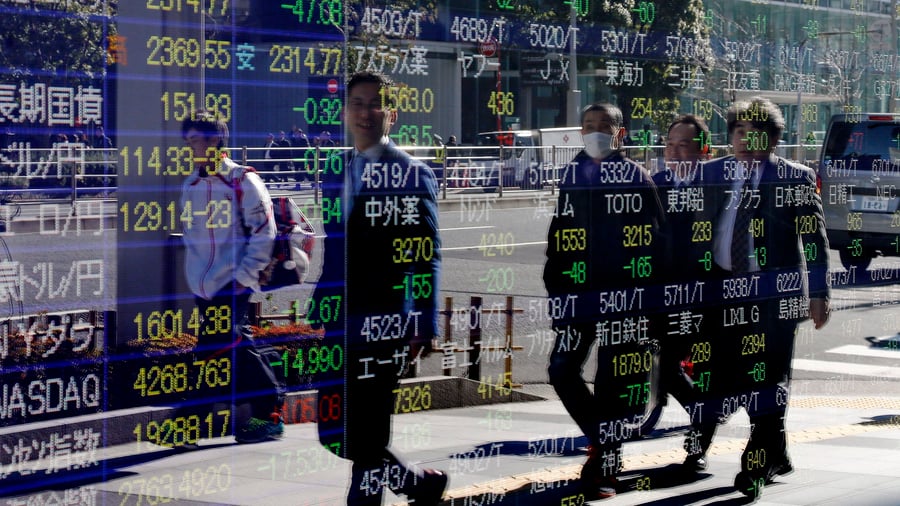
Global rising bond yields and high oil prices are exerting pressure on Far Eastern stock markets. Following losses on Wall Street, the Nikkei Index closed 0.6% lower at 65,481 points on Tuesday, limiting its decline to just under 2%. "One can fairly say that inflation concerns and the resulting rise in interest rates are weighing on the stock market," said Wataru Akiyama, strategist at Nomura Securities.
Moreover, there is growing skepticism about KI stocks, which had previously driven the market, as they may be overvalued due to rising interest rates. The yield on US ten-year government bonds rose to a 19-year high above 5.27% overnight. Investors fear that the US Federal Reserve may raise interest rates three more times by mid-next year to curb inflation.
Japanese government bond yields were also near their highest levels in decades. "We are entering a new environment," said Angus Hui, expert at Fullerton Fund Management in Singapore. "We assume that bond yields are unlikely to return to the very good old days when they were extremely low."
Written by urgent.news from Handelsblatt's reporting — not their text. Machine-written — may contain errors; check the original before relying on it.
This story
This is one outlet's version. Read the fullest account.
- Hang Seng Index rises as tech hits skids on mainland news.rthk.hk
- Nikkei, Yen, Hang Seng: Hohe US-Renditen und Ölpreis belasten Asiens Börsen handelsblatt.com
- Hang Seng stuck below 24,800 resistance: Live levels investing.com