Measuring the Distance Between Quasar Pairs Just Got Easier
A new way to accurately measure the distance between quasar pairs is showing promise through University of Alberta research.
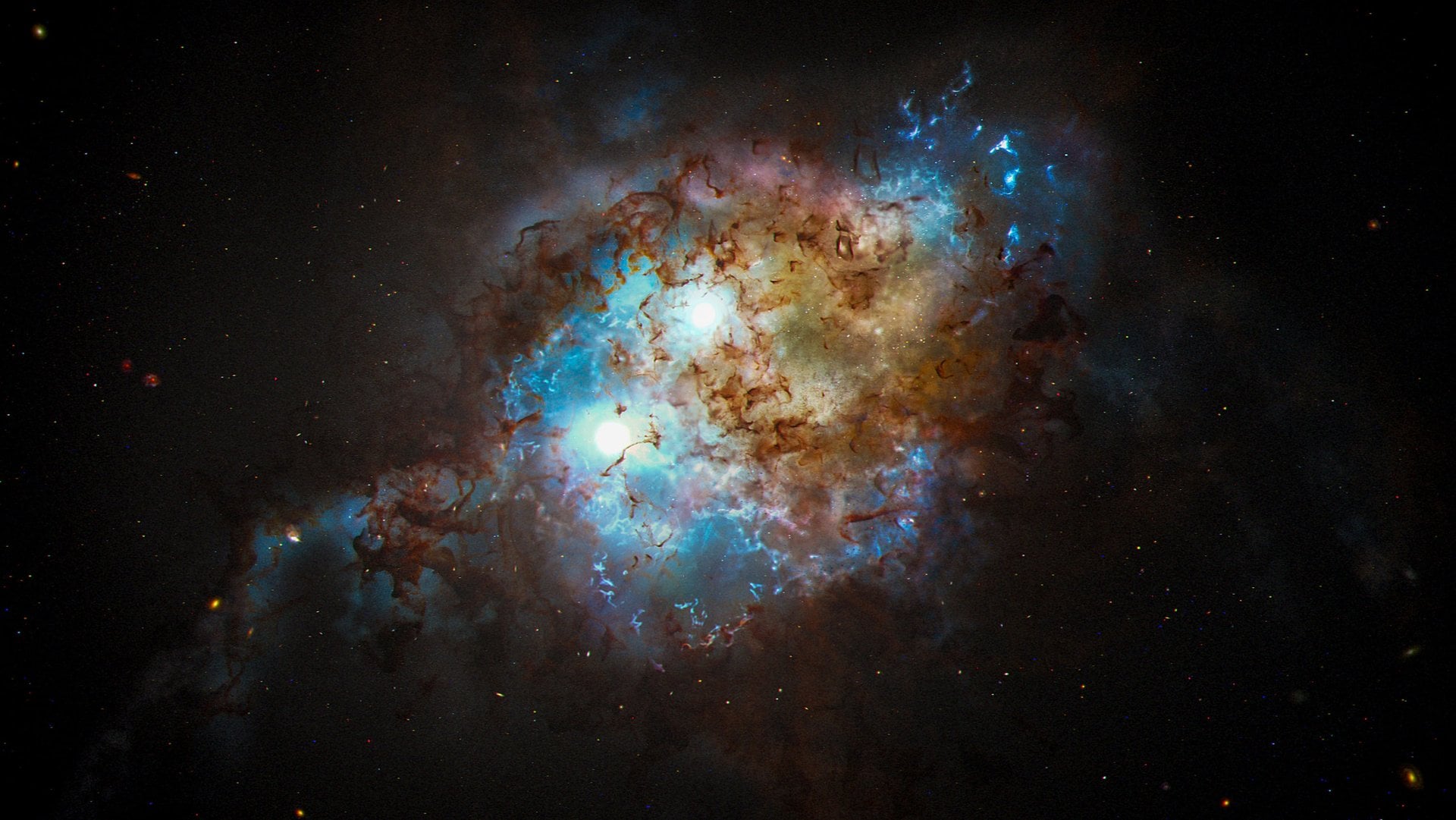
Researchers at the University of Alberta have developed a more accurate method for measuring the distance between pairs of quasars, which will improve the precision of determining the expansion rate of the universe. Quasars, powered by supermassive black holes, are among the most luminous and persistent objects in the cosmos. Historically, measuring the recessional velocity of quasar pairs has been challenging due to the fast movement of gas clouds within them, leading to significant errors in line-of-sight separation measurements.
The new method, called the Quasar Proximity Effect (QPE), examines hydrogen absorption lines in the regions of gas around quasars that are illuminated and heated by their light. This technique was applied to measuring distances between quasar pairs, providing a more precise separation between the two objects.
Brief written by urgent.news from Universe Today's own syndicated text. Machine-written — may contain errors; check the original before relying on it.