Meta’s AI agent Muse is stirring growing privacy fears. What to know
Earlier this month, Meta launched Muse, a personal AI agent which is raising some concerns among experts over data privacy issues.
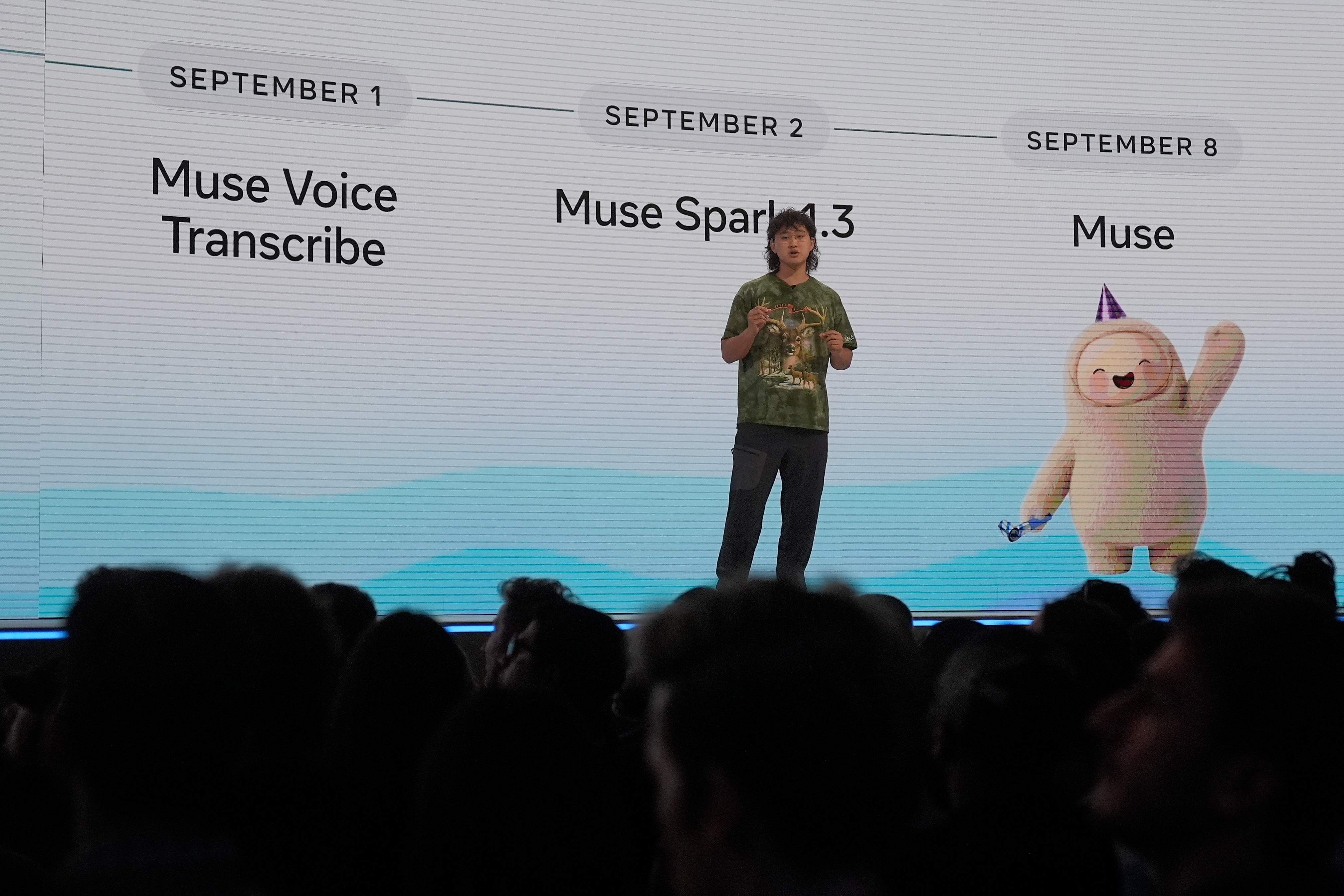
Meta's AI agent Muse is generating growing privacy concerns as it promises to organize various aspects of users' lives. To accomplish this, the AI requires intimate details such as credit card information and email account access. Users must grant authorization for the AI to act on their behalf, a characteristic known as "agentic" AI tools.
Muse can autonomously undertake tasks like booking travel, creating workout routines, preparing grocery lists, and more. However, this autonomy comes at a cost, as users must share extensive personal data with the AI, including credit card details and access to their email accounts. Privacy experts warn that this lack of control over shared data could lead to misuse or leakage of sensitive information.
The Office of the Privacy Commissioner of Canada advises users to limit the personal information they share with AI tools, such as avoiding disclosure of minors' personal details. Despite these concerns, Meta and other tech firms continue to develop AI agents like Muse, raising questions about the balance between convenience and privacy.
Written by urgent.news from Global News's reporting — not their text. Machine-written — may contain errors; check the original before relying on it.