Malayan tiger numbers improve as conservation efforts bear fruit
The natural resources and environmental sustainability ministry says there has been an improvement from the less than 150 tigers reported in 2021.
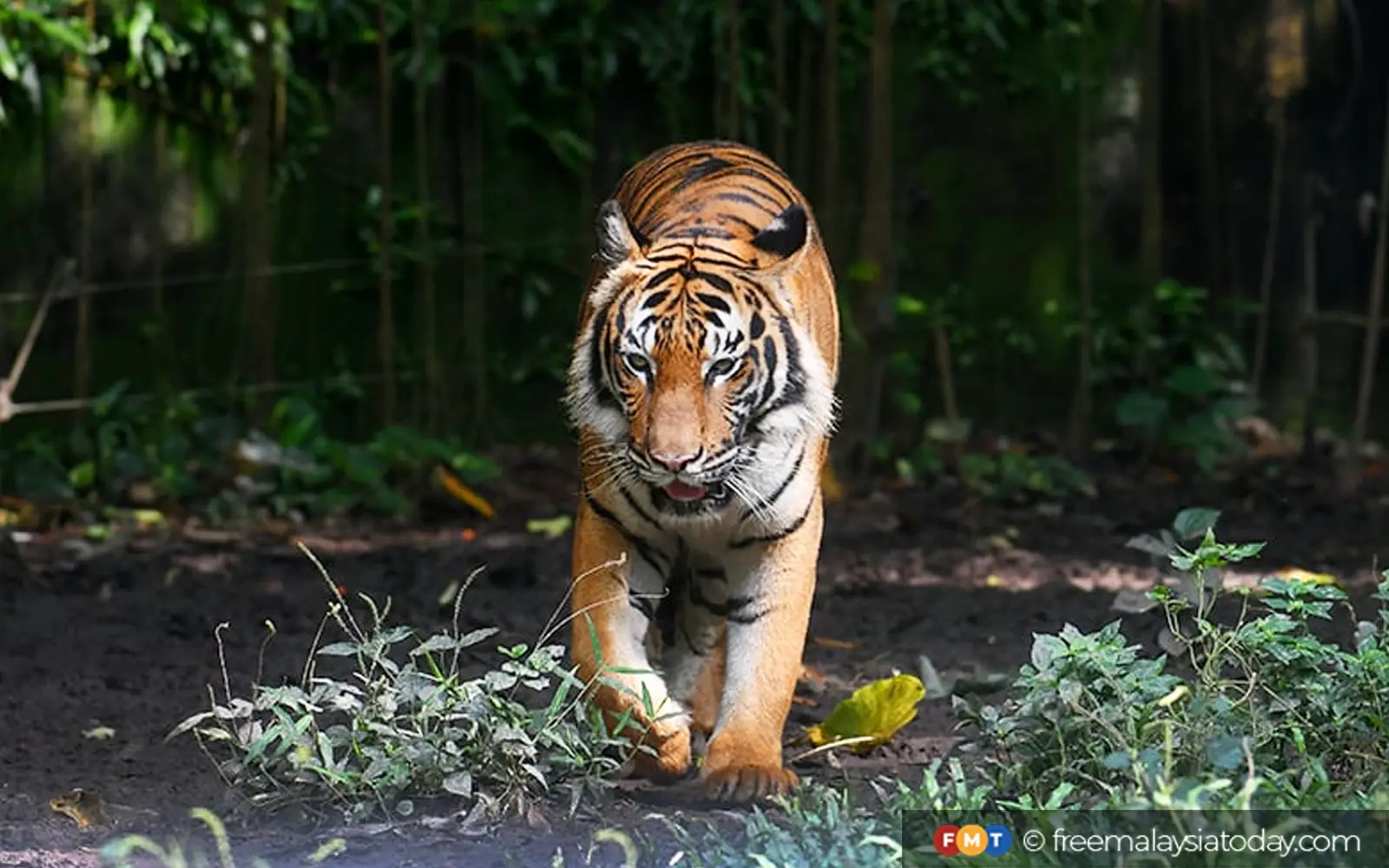
The Malayan tiger population has shown signs of recovery, rising from fewer than 150 individuals in 2021 to a more promising figure following strategic conservation efforts. The natural resources and environmental sustainability ministry reported positive developments without disclosing exact numbers, attributing the improvement to the strategic initiatives undertaken since 2021.
Arthur Joseph Kurup, the minister responsible, emphasized that the national tiger implementation working group, which convened earlier, endorsed a proposal to strengthen the wildlife and national parks department's (Perhilitan) K9 unit. This move is aimed at enhancing anti-poaching efforts and safeguarding the tigers' natural habitat.
Moreover, four protected forest areas have been officially recognized as Conservation Assured Tiger Standards (CA|TS) sites. These include the Pahang-Kelantan-Terengganu National Park, the Endau-Rompin National Park, the Temenggor Forest Complex, and the Amanjaya Forest Reserve. This accreditation underscores the significance of these areas in supporting and preserving the Malayan tiger population.
The ministry had previously highlighted the alarming market value of Malayan tigers, with a live tiger carcass potentially fetching up to RM250,000 on the black market, while their pelts alone could reach about RM100,000. Even more surprisingly, a tiger penis has been valued at RM20,000, and the animal's bones are worth approximately RM5,000 per kilogram within the illegal trade.
Written by urgent.news from Free Malaysia Today's reporting — not their text. Machine-written — may contain errors; check the original before relying on it.
This story
This is one outlet's version. Read the fullest account.
- Malayan tiger population shows increase after conservation measures nst.com.my
- Malayan tiger numbers improve as conservation efforts bear fruit freemalaysiatoday.com