Malayan tiger population shows increase after conservation measures
KUALA LUMPUR: The Malayan tiger population has increased following the implementation of nine strategic conservation actions in 2021, said Natural Resources and Sustainability Minister Datuk Sri Arthur Joseph Kurup today.
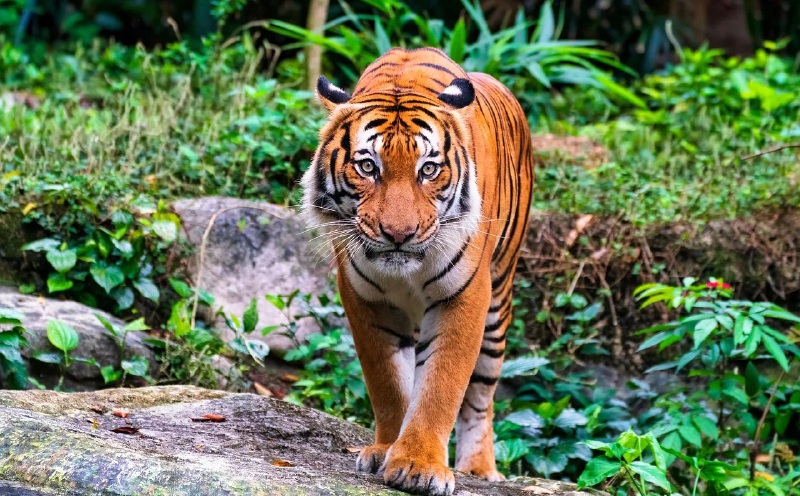
The Malayan tiger population has shown promising signs of recovery, according to the latest reports from the Malaysian government. Once numbering over 3,000 in the 1950s, the majestic predator's numbers had dwindled to fewer than 150 by 2021, primarily due to poaching and the loss of habitat and food sources. The Ministry of Natural Resources and Environmental Sustainability has revealed that conservation efforts initiated since 2021 have begun to yield positive results, though the exact current numbers remain undisclosed.
Arthur Joseph Kurup, the minister responsible for these efforts, highlighted the "positive developments" witnessed in recent years. The National Tiger Implementation Working Group, which recently convened, endorsed a proposal aimed at strengthening the Wildlife and National Parks Department's (Perhilitan) canine unit. Minister Kurup further announced that four forest areas in Malaysia have now been officially recognized as Conservation Assured Tiger Standards (CA|TS) sites.
These protected zones include the Pahang-Kelantan-Terengganu National Park, the Endau-Rompin National Park, the Temenggor Forest Complex, and the Amanjaya Forest Reserve.
The Malayan tiger's decline was attributed to illegal poaching and habitat destruction, with its carcass reportedly selling for up to RM250,000 on the black market, its pelt fetching around RM100,000, and even its penis valued at RM20,000. The bones of these endangered creatures could command a price of approximately RM5,000 per kilogram on illicit markets.
Written by urgent.news from Free Malaysia Today's reporting — not their text. Machine-written — may contain errors; check the original before relying on it.
Also reported by 1 other outlet
- Malayan tiger numbers improve as conservation efforts bear fruit freemalaysiatoday.com