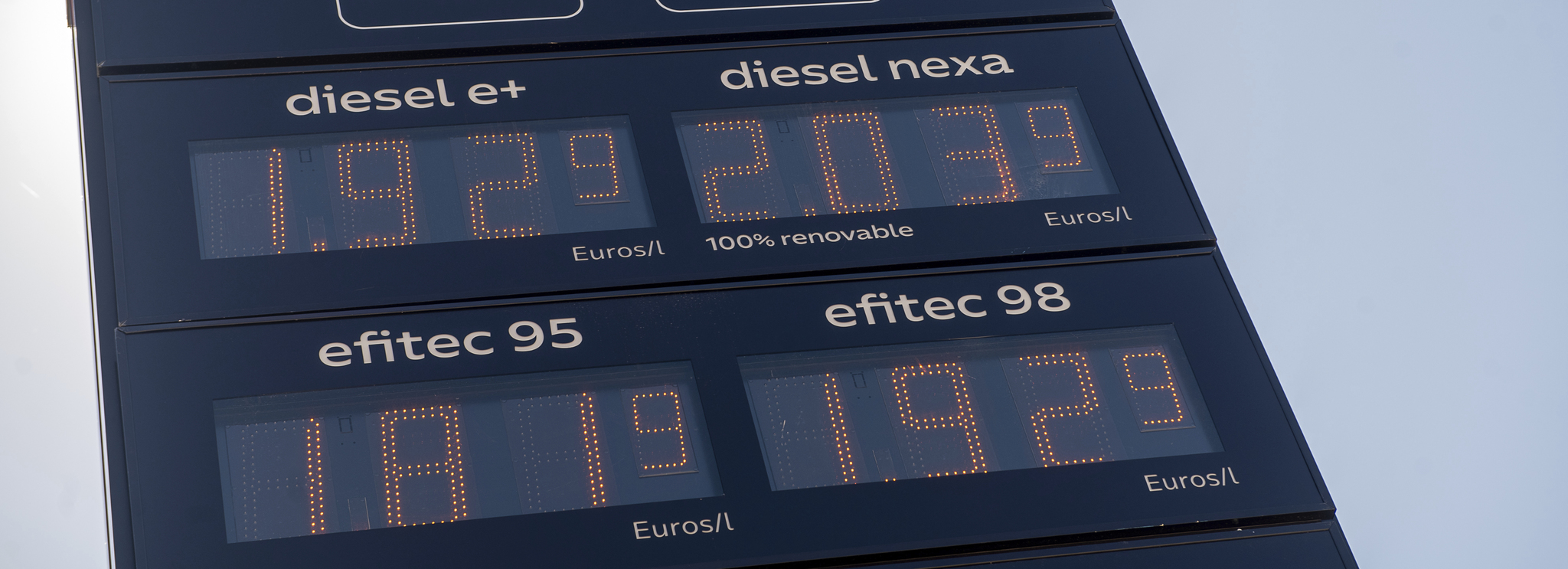
La inflación se dispara hasta el 4,9% en septiembre por las gasolinas
La tasa interanual del Índice de Precios de Consmo (IPC), principal indicador de la inflación sube seis décimas más en septiembre hasta rozar el 5% al terminar el tercer trimestre del año por la presión energética. Leer
Inflation surged to 4.9% in September due to gasoline prices, as reported by the National Institute of Statistics. The annual inflation rate, known as the IPC, rose for the sixth time consecutively in September, reaching 5% at the end of the third quarter of the year. The surge in inflation marks the last leg of the year. The main driver of the inflationary pressure is the energy crisis caused by the war in Iran.
The IPC increased to 4.9% this month, reflecting the new interannual rise in prices that stems from the energy shock of the war in Iran. The data, published by the INE, also shows the base effect of the statistics, as fuel prices dropped in September 2025. The increase in the overall IPC is due to the rise in tourism package prices, although to a lesser extent as they have gone down more than in the same month last year.
The underlying inflation, which does not include energy and unprocessed food, has also risen by two decimal points to 3.1%. The harmonized IPC indicator, used to weigh prices with international statistics mainly from Eurostat, has also increased to 5%. The Ministry of Economy reminds that the government approved a third package of measures today to continue protecting homes and sectors affected by the rise in fuel prices.
Since the war began, the government has already approved two packages through its Plan of Response. Thanks to these measures, inflation has moderated to some extent in recent months, and homes have seen their gas and diesel prices partially compensated. The government has approved an anti-crisis shield in the Council of Ministers today to mitigate the price escalation and loss of purchasing power in the autumn and winter.
It also plans to extend until December 31 the aid to the agro-food sector, including compensation for the additional costs of agricultural gasoline. Supporting agriculture and transport helps contain the secondary shock of the energy crisis in other prices, technically known as second-round effects. Experts, such as María Jesús Fernández Sánchez from the Direction of Economic Situation and Statistics of the National Central Bank and a professor at the UNED, warn of the risk of an even higher inflation, especially as the conflict in the Middle East spreads to the Bab al-Mandeb strait, which raises the risk of a more persistent energy inflation with far-reaching effects on all prices and wages.
Written by urgent.news from Expansion ES's reporting — not their text. Machine-written — may contain errors; check the original before relying on it.