Kenya’s digital payment boom is leaving mobile money agents stranded
Between March and June, Kenya lost roughly 34,000 mobile money agents. The total number of registered agents dropped by 5.6%, falling from 602,470 to 568,463 in just three months.
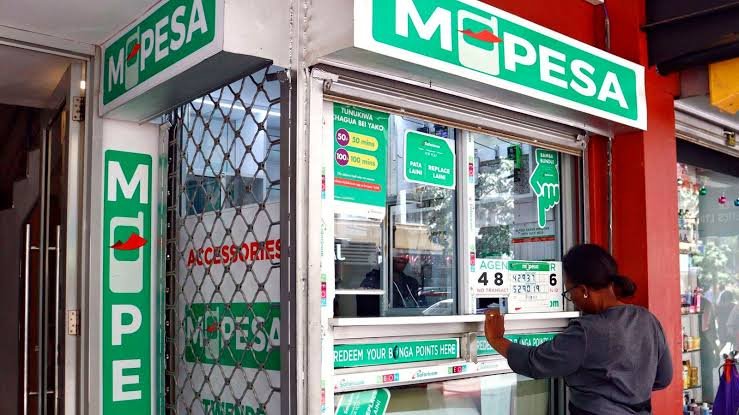
Kenya's mobile money network is undergoing a significant transformation as more Kenyans conduct transactions directly from their phones. Data from the Communications Authority reveals a 5.6% decrease in registered mobile money agents, dropping from 602,470 to 568,463 in just three months. Simultaneously, total mobile money subscriptions have grown by 1.2%, rising from 53.37 million to 54.01 million annually by 13.2%.
This shift highlights a fundamental change in how Kenyans use mobile money - rather than just as a digital remittance service, money is increasingly staying within the digital loop.
Growth in direct digital checkout channels, such as merchant till numbers and business wallets, has allowed customers to pay directly from their mobile money accounts without visiting agents. Meanwhile, paybill numbers and bank-to-wallet integrations remove the need for customers to interact with agents for bill payments and bank transfers.
This shift in consumer behavior and technological adoption is squeezing margins for mobile money agents, particularly as the cost of running physical shops continues to rise. With fewer cash transactions and rising operational costs including rent and staff salaries, many agents are closing their shops. The dominance of a single dominant player also limits opportunities for new entrants to fill this void.
As smartphone connections surge and consumers adopt more app-based banking and merchant checkout options, Kenya's mobile money ecosystem is rapidly evolving, leaving thousands of agents stranded in the process.
Written by urgent.news from TechCabal's reporting — not their text. Machine-written — may contain errors; check the original before relying on it.