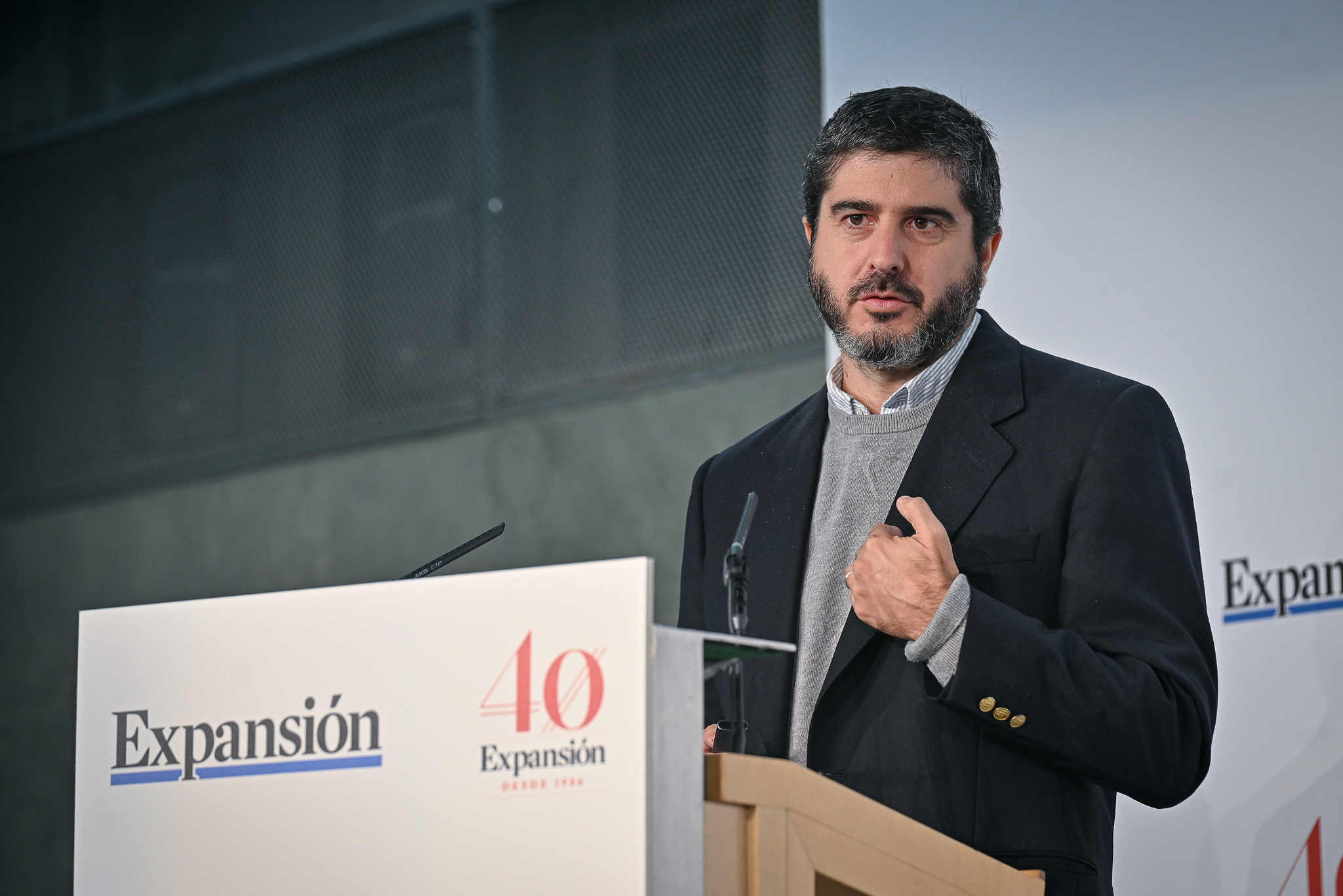
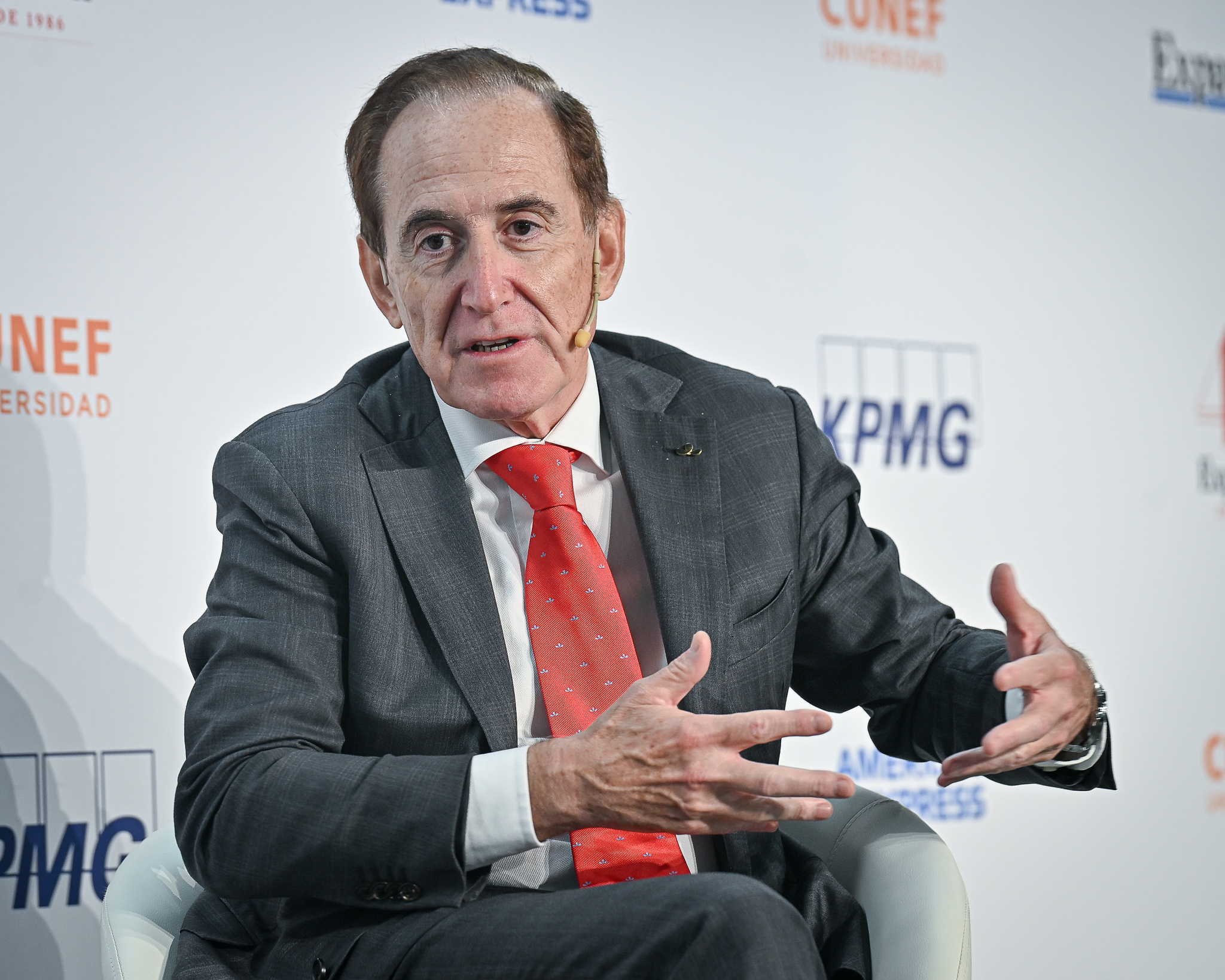
Javier Olaso (KPMG): "La fortaleza del sector es una posición de salida inmejorable para afrontar los retos"
El seguro español atraviesa un momento dulce, con importantes crecimientos de primas y unos holgados niveles de solvencia. Pero esta situación de fortaleza no debe ser el fin, sino que debe interpretarse como un buen punto de partida ante los desafíos que afronta la industria, según Javier Olaso, socio responsable del Sector Seguros de KPMG España. Leer
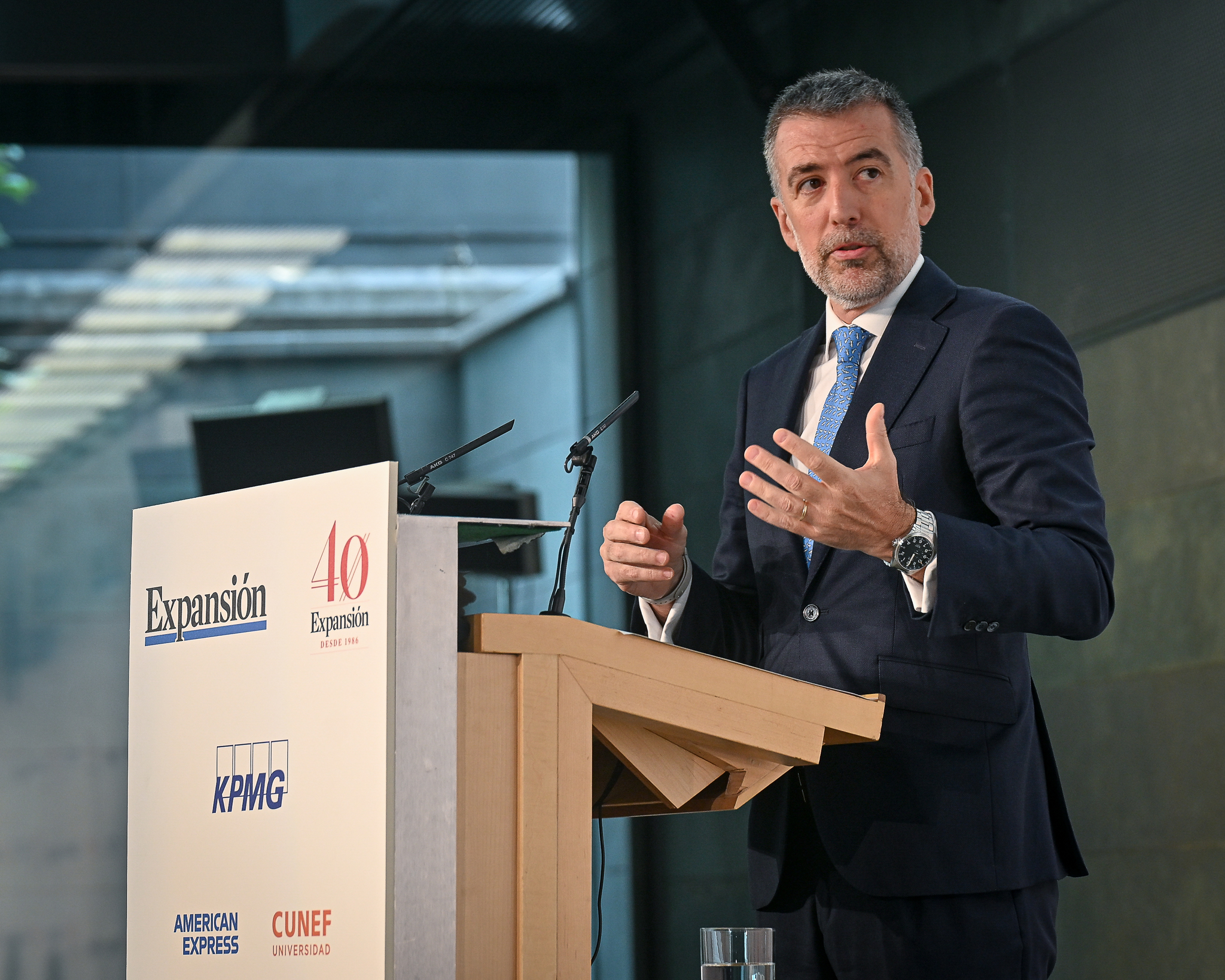
The Spanish insurance market is currently thriving, with strong premium growth and healthy solvency levels, according to Javier Olaso, a KPMG partner responsible for the Insurance sector in Spain. Olaso emphasized that this period of strength should be viewed as a solid foundation to tackle the industry's future challenges, not as an endpoint.
Among these challenges, he highlighted the significant protection gap, which amounted to 46 billion euros in 2025, up from 41 billion euros in the previous year. This gap represents a widening issue that extends beyond the traditional sectors of life and health insurance. In households and families, there is a notable gap in protection against situations like disability, death, or dependence.
For businesses, only about 700,000 of the three million SMEs are adequately covered, excluding emerging risks such as artificial intelligence derivatives and cyber risks. The protection gap also poses a major challenge in addressing the impact of natural catastrophes, which is currently shaping many of the EU's agenda and where Spain's insurance compensation model is being used as a reference.
Olaso highlighted that beyond products and prices, the sector's social responsibility lies in fostering financial literacy and education. Longevity, health, and savings are areas where the insurance sector is expected to play a crucial role. Spain's increasing life expectancy levels necessitate a financial planning and insurance perspective.
The sector manages over 230 billion euros in savings, and health insurance complements and eases the public healthcare system. Health insurance also reinforces savings and pension schemes as population aging will require more citizens to contribute. These savings are then invested back into the real economy, a strategy endorsed by the EU.
The opportunity lies in closing the protection gap, growing the sector, and simultaneously boosting the economy. Finally, Olaso discussed the transformative power of artificial intelligence in insurance, noting that while 44% of insurers consider themselves leaders in AI application, only 11% report having robust and well-managed databases.
This discrepancy poses a significant execution risk. Moreover, nine out of ten insurers use AI primarily to reduce costs, while only one in four aims to use AI for growth.
Written by urgent.news from Expansion ES's reporting — not their text. Machine-written — may contain errors; check the original before relying on it.