Inside the Business of Trump’s Third-Country Deportations
As the Trump administration fights to keep deporting immigrants to countries where they have no connections, we studied the system that profits from these grave abuses. The post Inside the Business of Trump’s Third-Country Deportations appeared first on The Intercept .
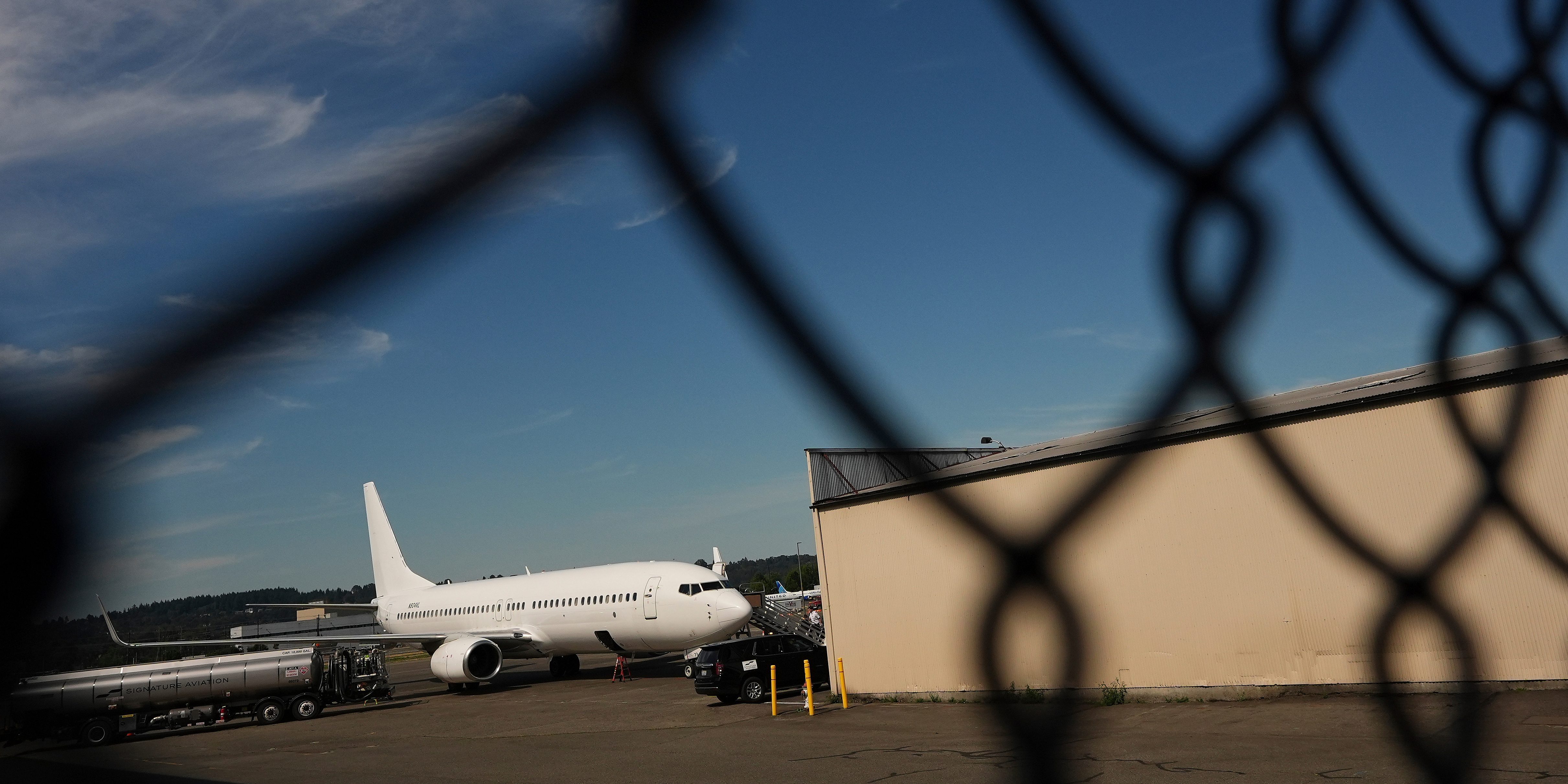
Between August 2025 and early 2026, the Department of Homeland Security (DHS) deported over 25,000 individuals to third countries, places where immigrants had no ties or rights. According to a Senate Foreign Relations Committee minority report, DHS deported people to these locations to instill fear, targeting countries such as Palau or Eswatini. This policy, which began under the second Trump administration, aimed to scare immigrants and force them into unfamiliar environments.
The U.S. had previously used third-country removals as a last-resort option for those who could prove persecution if returned to their home country but did not qualify for asylum. However, the current Trump administration's policy, which involves agreements with 35 countries, has been largely inhumane and legally questionable. After a federal court struck down the third-country deportation scheme, the DHS scheduled flights to depart migrants to Burundi, Rwanda, and the Central African Republic.
Despite a successful emergency motion to halt the deportations, ICE still flew to the two African countries involved in a class-action lawsuit, raising questions about potential violations of court orders.
The Trump administration's approach to immigration enforcement is characterized by secrecy, backroom deals, and a focus on profit. Investigations by Lawfare and SITU Research, in partnership with The Intercept, reveal how the U.S. immigration enforcement system has transformed into a multibillion-dollar industry driven by private profit and political power.
These agreements enable countries to accept immigrants from the U.S. in exchange for aid or financial compensation, often sending them to destinations on the State Department's "Level 4 Do Not Travel" list due to dangerous conditions. Some of these agreements have been documented, but many remain hidden, raising concerns about transparency and potential legal violations.
Written by urgent.news from The Intercept's reporting — not their text. Machine-written — may contain errors; check the original before relying on it.
This story
This is one outlet's version. Read the fullest account.
- Inside the Business of Trump’s Third-Country Deportations theintercept.com