India-Bangladesh Relations: Towards A Reset Or A Deeper Crisis?
As India-Bangladesh relations try and move towards a reset, rumours are emanating from Dhaka of yet another possible attempt at regime change by Islamists. Islamist groups, which have been witnessing a resurgence, are believed to be in a hurry to lay claim to the throne through yet another mass movement ahead of December, when Sheikh Hasina has announced she will return to her land of birth and…
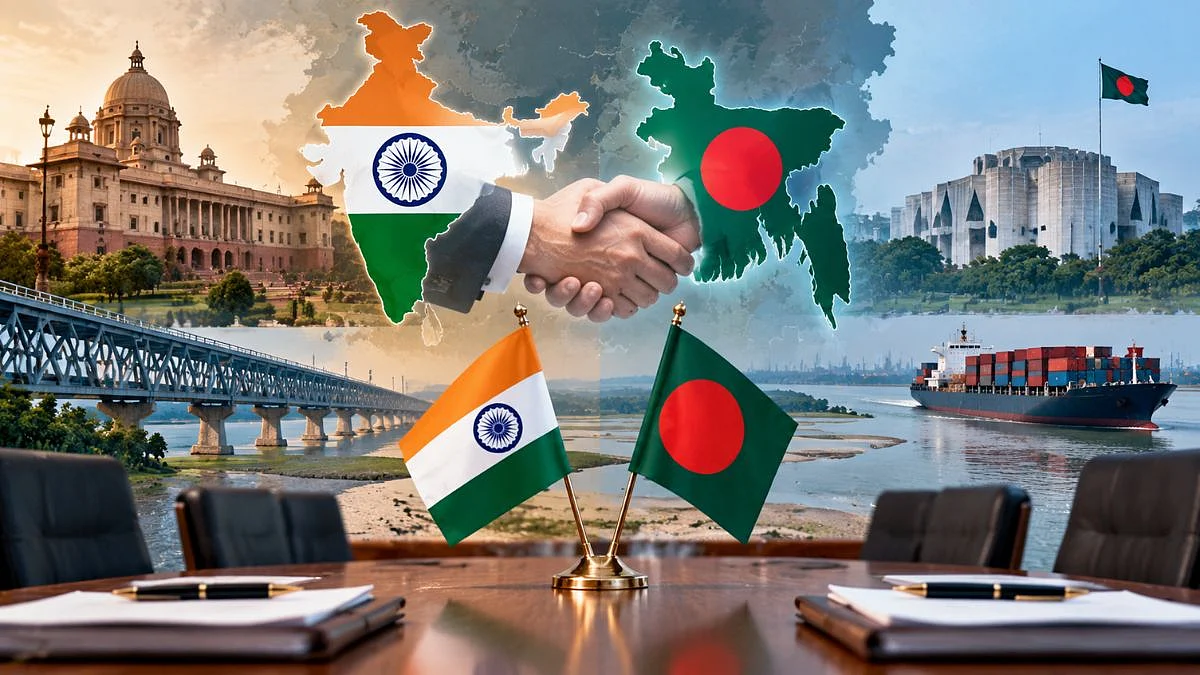
India-Bangladesh relations are at a crossroads, with the potential for either a reset or a deepening of the crisis. Rumors have emerged from Dhaka about Islamist groups attempting another regime change ahead of December, when Prime Minister Sheikh Hasina plans to return to her birthplace. This has raised concerns about political instability in Bangladesh, as Tarique Rahman's government grapples with law and order issues, rising prices, and power shortages.
Diplomatic efforts to mend relations are underway, with Bangladesh seeking a new foreign envoy to New Delhi. The upcoming visit of Foreign Secretary Asad Alam Siam could be a step towards rebuilding ties damaged since Hasina's ouster in August 2024. However, there are limitations to their maneuverability, including the deadline for renewing the 1996 Ganges Water Sharing Treaty, which expires on December 12.
Bangladesh may need to seek an extension to address its water needs, but India's willingness to agree to new terms is uncertain given the challenges posed by climate change.
The Ganges Water Sharing Treaty is a critical issue, as it connects high diplomacy with domestic politics, agriculture, and environmental concerns. Negotiating a comprehensive agreement will be challenging, particularly within the tight timeframe. The former foreign secretary Siam's engagement with Rahman may offer some insights, but the path forward remains uncertain.
Despite these challenges, there are strong practical reasons for both countries to mend relations. Energy security is a pressing concern for both nations, with Bangladesh heavily reliant on imported energy sources. A stable relationship could address energy needs, trade, and transit arrangements, while also fostering security and connectivity in the region. However, domestic politics, particularly in Bangladesh, continue to influence the relationship, making it a complex and delicate matter.
Written by urgent.news from Free Press Journal's reporting — not their text. Machine-written — may contain errors; check the original before relying on it.