Illinois man’s 100-acre conservation work helps protect water for 30,000 people
Greg Reising began his conservation work on his 100-acre property near Kinkaid Lake in 1995. He transformed former agricultural land by establishing prairie vegetation and planting thousands of trees. Erosion and sedimentation problems in the Kinkaid Lake watershed led to broader conservation efforts involving various agencies. The Environmental Quality Incentives Program supported Reising's…
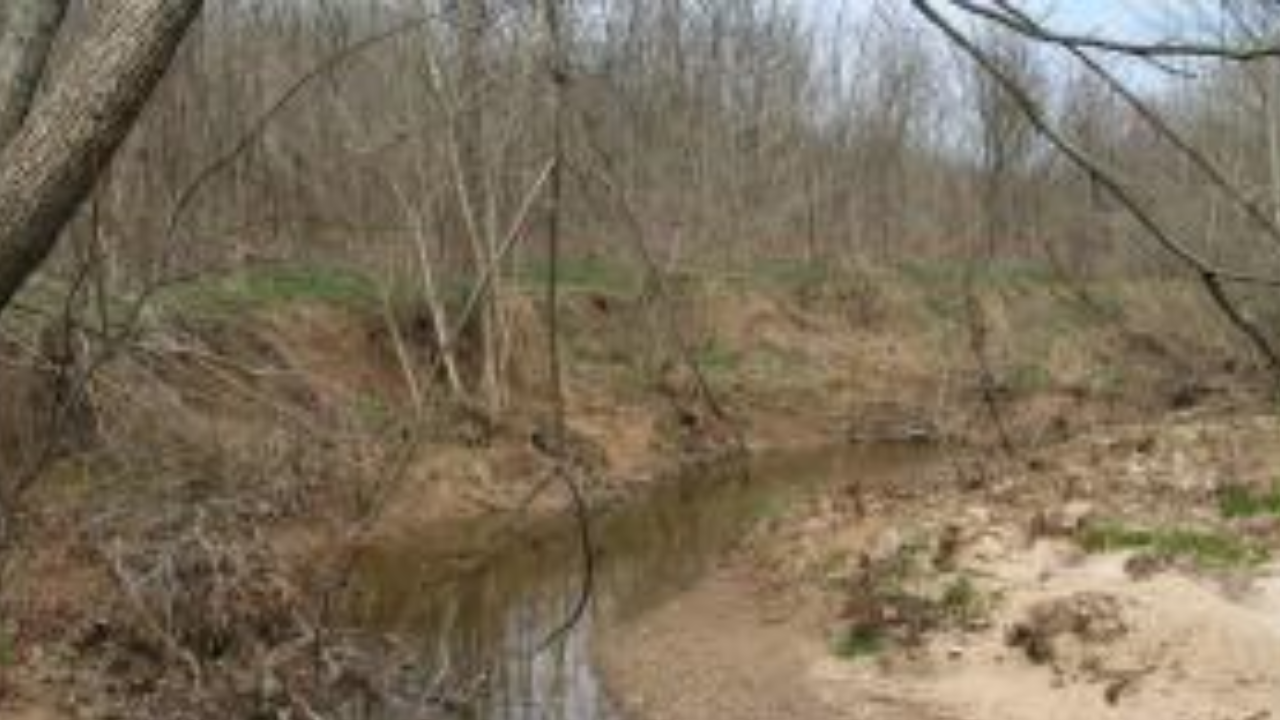
In 1995, Greg Reising purchased a 100-acre piece of land near Kinkaid Lake in southern Illinois, seeking a place to enjoy the outdoors and wildlife. Over time, his property has become part of a larger conservation effort to protect the creek system that supplies water to approximately 30,000 people. The USDA's Natural Resources Conservation Service (NRCS) documented Reising's efforts, while the U.S. Forest Service and Illinois Environmental Protection Agency have separately highlighted the broader erosion and sedimentation issues affecting the Kinkaid Lake watershed.
Reising, who works as a fleet manager for the Collinsville Recreation District, initially bought the Jackson County property near Kinkaid Lake, where the reservoir was constructed in 1968 and serves as a vital water source for the region. However, he soon discovered that sections of the creek bank were eroding due to fast-moving floodwater.
The property had previously been used for crops, but Reising and his family converted portions of it into conservation land, planting prairie vegetation and thousands of trees to rebuild soil, reduce erosion, and create habitat.
The main challenge was the creek's erosion, which was part of a larger watershed problem. Kinkaid Lake sits in a region with steep slopes and highly erodible soils, causing large amounts of sediment to enter waterways during heavy rainfall. A 2006 study estimated that 39,000 tons of soil eroded from the watershed annually, with about 35,000 tons reaching the reservoir, affecting both water quality and the lake's storage capacity.
Illinois EPA assessments also identified gullies as a significant contributor to sediment and nutrient pollution.
Rather than addressing individual damaged sections, Reising expanded his conservation efforts to include neighboring properties, allowing work to focus on longer, connected creek sections. With assistance from NRCS conservation staff, he implemented stabilization measures, such as stream barbs designed to redirect and slow water, reducing the force on eroding banks. Reising also adopted practices like prairie plantings, cover crops, and wildlife food plots to help keep soil in place and improve habitat.
The conservation effort around Kinkaid Lake extends beyond Reising's property, involving land managed by private owners, the Illinois Department of Natural Resources, and the Shawnee National Forest. The U.S. Forest Service is working on restoration efforts, including gully stabilization, shoreline work, and soil conservation on private agricultural land.
Illinois EPA records show that Kinkaid Lake has been the focus of various watershed and sedimentation projects, including shoreline stabilization and reducing sediment and pollutants entering the reservoir. For Reising, his conservation journey began with a personal desire for a place to hunt, recreate, and connect with nature, evolving into a broader effort to restore a damaged landscape and protect a vital water supply.
Written by urgent.news from Times of India's reporting — not their text. Machine-written — may contain errors; check the original before relying on it.