IEAG calls on FDA to resolve delays in import code issuance
The Importers and Exporters Association of Ghana (IEAG) has called on the Food and Drugs Authority (FDA) to urgently resolve reported delays in the issuance of import codes and permits for regulated consignments at the ports. The association said the delays had left some consignments uncleared because affected importers were unable to complete the required […]
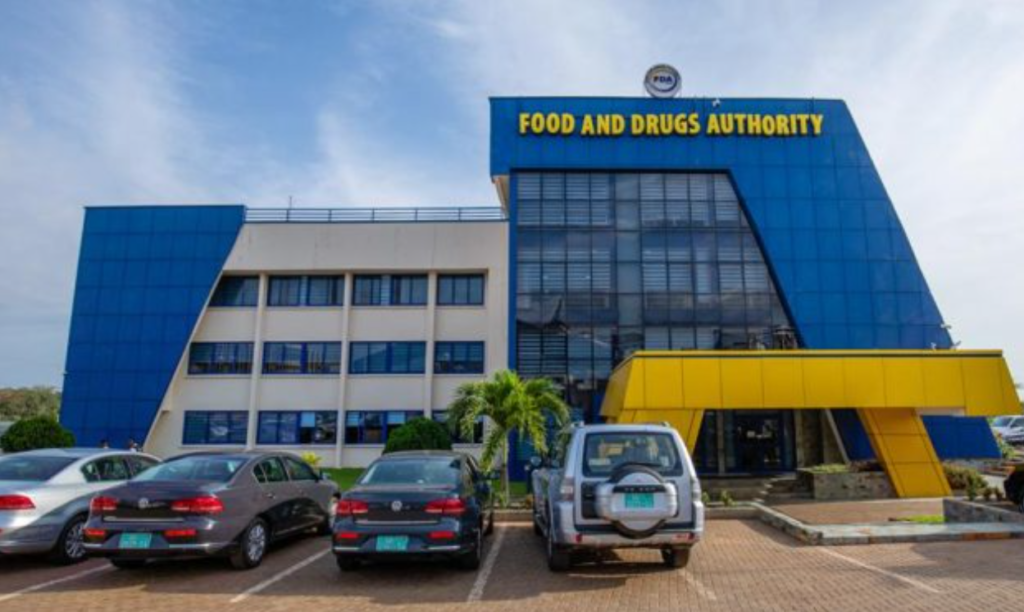
The Importers and Exporters Association of Ghana (IEAG) has urged the Food and Drugs Authority (FDA) to swiftly address delays in issuing import codes and permits for regulated consignments at Ghana's ports. These delays have left some shipments unprocessed due to importers' inability to complete the necessary FDA procedures and, in certain instances, hindered customs clearance and cargo receipt.
The IEAG emphasized the urgency of the issue, noting the existing strains on port operations and associated costs. The association acknowledged the FDA's mandate to oversee the entry of food, drugs, cosmetics, household chemicals, medical devices, and other controlled products into Ghana. According to FDA procedures, the Centre for Import and Export Control (CIEC) is based at the Tema Port, with permit control integrated into the Integrated Customs Management System (ICUMS).
The IEAG stated that FDA approval is necessary before the verification and final release of regulated consignments. Delays in obtaining FDA approval or codes can impact various stages of cargo clearance, such as customs declaration, duty payment, customs release, terminal release, and container evacuation. Extended cargo dwell time may lead to extra terminal storage charges, shipping-line demurrage, container detention costs, handling and documentation fees, increased financing expenses, and additional trucking and logistics costs.
The IEAG expressed worry that these delays could force importers to pass the additional expenses onto consumers via higher prices. The association urged the FDA to investigate the reported delays, pinpoint any technical, operational, or administrative issues, and restore normal processing for compliant applications. The IEAG also demanded expedited processing of pending applications for shipments that have already arrived at the ports and are facing storage and related charges.
Should the issue be system-related or linked to ICUMS integration, the IEAG appealed to the FDA and relevant technical agencies to collaborate on resolving the matter. Additionally, the IEAG sought clear communication to importers, customs house agents, and other port stakeholders regarding the nature of the problem, affected applications, and expected resolution timelines.
The association also emphasized the need for appropriate relief or administrative intervention for delays caused by regulatory or system failures, especially when compliant importers have incurred extra costs due to no fault of their own. Recognizing Ghana's ports as vital trade, industry, manufacturing, and distribution gateways, the IEAG called on government agencies and statutory bodies involved in port clearance to enhance inter-agency coordination and eliminate avoidable bottlenecks.
It stressed that regulation and trade facilitation should work hand in hand and urged the FDA to tackle the reported bottlenecks to prevent compliant importers from facing mounting costs due to delays in the regulatory clearance process.
Written by urgent.news from Adom Online's reporting — not their text. Machine-written — may contain errors; check the original before relying on it.
Also reported by 1 other outlet
- IEAG calls on FDA to resolve delays in import code issuance myjoyonline.com