How to Beat Surveillance Pricing Before It Bleeds You Dry
Consumer advocate Lindsay Owen’s new book, Gouged, traces how corporations use software—from ever-changing prices to opaque algorithms—to squeeze every penny from you.
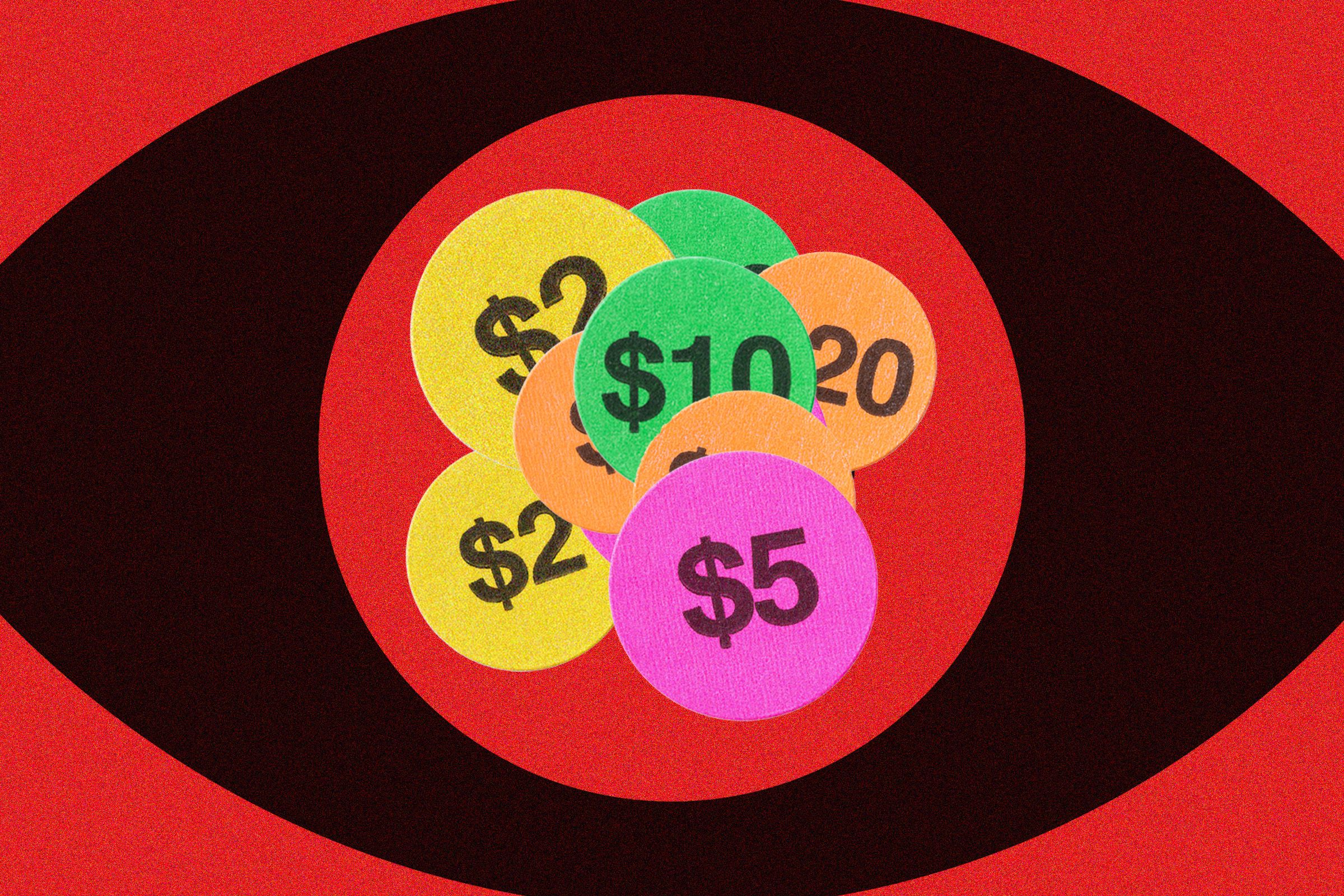
The rise of personalized pricing, driven by new technologies, has made costs more variable and unfair for consumers. Software innovations have supercharged age-old pricing tactics, allowing big tech to charge more for goods and services. Loyalty programs, once a blessing, have turned into a double-edged sword, as companies harvest data from customers to charge them more based on their willingness to pay.
This practice, known as surveillance pricing, is a form of personalized pricing that exploits consumers' personal information to estimate their ability to pay. While generative AI may exacerbate existing issues, it is still in its early stages. However, the potential for AI agents to make consumers pay more is a growing concern.
To combat surveillance pricing, consumers can compare prices within brands, considering factors like whether they are logged in or out, using apps or websites, or shopping in-store. Raising one's voice through contacting legislators can also help in fighting back against this unfair practice.
Written by urgent.news from Wired's reporting — not their text. Machine-written — may contain errors; check the original before relying on it.