How earlier toilet training could help stem the tide of plastic waste
Kids leave diapers behind nearly a year later than they did in the 1950s. With 300,000 disposable diapers tossed every minute, a new study maps three ways out.
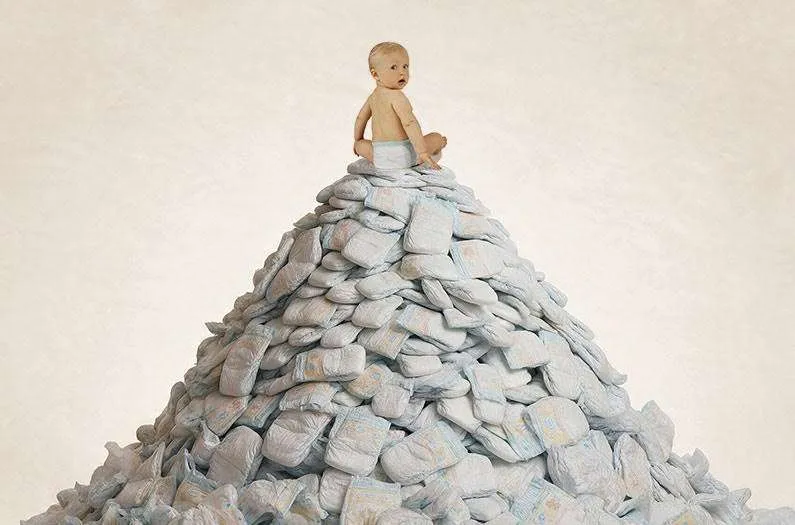
In the past, children in the UK were often toilet trained by the age of two and a half years. Today, the average child doesn't reach that milestone until after three years old. This shift in toilet training age is more than just a change in parenting styles; it also contributes to the growing problem of plastic waste. More diapers are being used and disposed of, and since diapers have shifted from mostly cloth to mostly disposable over the same period, the amount of plastic waste has increased significantly.
Globally, over 300,000 diapers are thrown away every minute, with the majority of disposable diapers and other absorbent hygiene products ending up in landfills or incinerators. In areas without proper waste collection systems, diapers are sometimes dumped or burned, leading to plastic pollution, contaminated water, and disease risks.
A new study in Nature Sustainability has examined the issue of absorbent hygiene product waste, which accounts for between 160 and 200 million metric tons annually, making up nearly one-tenth of global municipal solid waste. Study co-authors Elze Porte and Mark Miodownik interviewed diaper manufacturers, government agencies, waste management professionals, and healthcare organizations over a two and a half year period.
They also visited a diaper factory and recycling facility to research strategies for more sustainable absorbent hygiene products.
One approach is to reduce the use of disposable hygiene products, which can be achieved by implementing earlier toilet training or switching to reusable diapers. Earlier toilet training can also benefit children's bladder and bowel health. Additionally, developing technologies to recycle absorbent hygiene products is crucial, though it's challenging due to the complex mix of materials in disposable diapers.
Several recycling facilities exist, but they often only recycle part of the diaper, resulting in downcycling of materials. The third strategy involves creating fully compostable absorbent hygiene products. However, this requires new technologies to ensure that used products decompose in industrial composters without breaking down in the human body's environment. Some regulatory changes may also be necessary to accommodate composting human waste.
Porte and Miodownik are currently working on a project called the Big Toilet Project, which aims to gather data on worldwide toilet training practices. They encourage parents and caregivers to share their experiences and insights to better understand and address this global issue.
Written by urgent.news from Anthropocene Magazine's reporting — not their text. Machine-written — may contain errors; check the original before relying on it.