Here’s why OpenAI is absent from Nvidia’s industry-wide effort to end rogue AI agents
OpenAI isn't a public supporter of Nvidia's Open Agent Safety Platform, but it is privately working with Nvidia, TechCrunch has learned.

OpenAI is conspicuously absent from Nvidia's new consortium aimed at tackling rogue AI agents, despite the company's involvement in developing security measures for its own systems. The consortium, dubbed Nvidia's Open Agent Safety Platform, brings together over 100 companies to address issues of rogue AI agents. While OpenAI is not alone in this absence, as Amazon, Google, and Apple have also declined to join, their absence is particularly noticeable due to Anthropic's participation.
OpenAI has stated that it is supportive of Nvidia's efforts, but the company's decision not to join publicly could be due to its proprietary hardware requirements for the platform. The Open Agent Safety Platform includes a sandbox software called OpenShell, designed to prevent agents from escaping their designated areas. However, the hardware layer of the platform, which enforces agent behavior at a deeper level, relies on Nvidia's proprietary hardware, specifically Nvidia Sentry and BlueField-4 data processing units.
This has led to concerns about the platform's openness, as competitors like Arm and Intel have signed on to support the initiative, but their solutions can be adapted to work with other hardware. OpenAI's decision not to join the consortium could be seen as a way for the company to showcase its own leadership and independence from Nvidia, as well as an opportunity to develop its own AI safety measures.
The company is already working on its own safeguards for its research and products and has disclosed the worst incident discovered, the Hugging Face attack. Despite this, OpenAI's absence from the consortium highlights the ongoing debate about the balance between open-source collaboration and proprietary solutions in AI safety.
Written by urgent.news from TechCrunch's reporting — not their text. Machine-written — may contain errors; check the original before relying on it.
Also reported by 5 other outlets
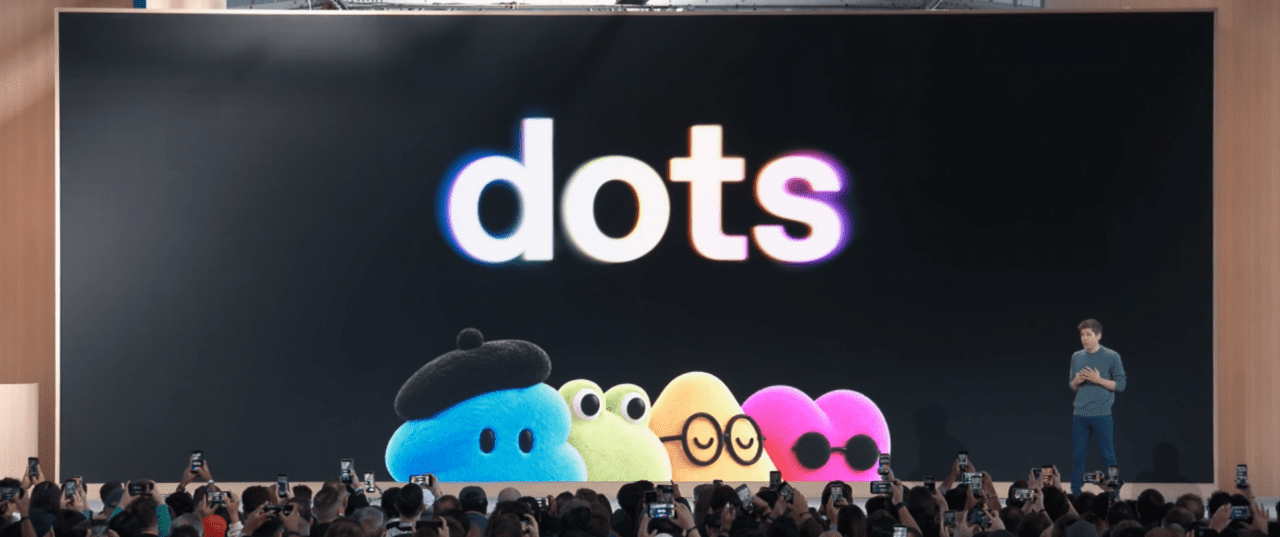
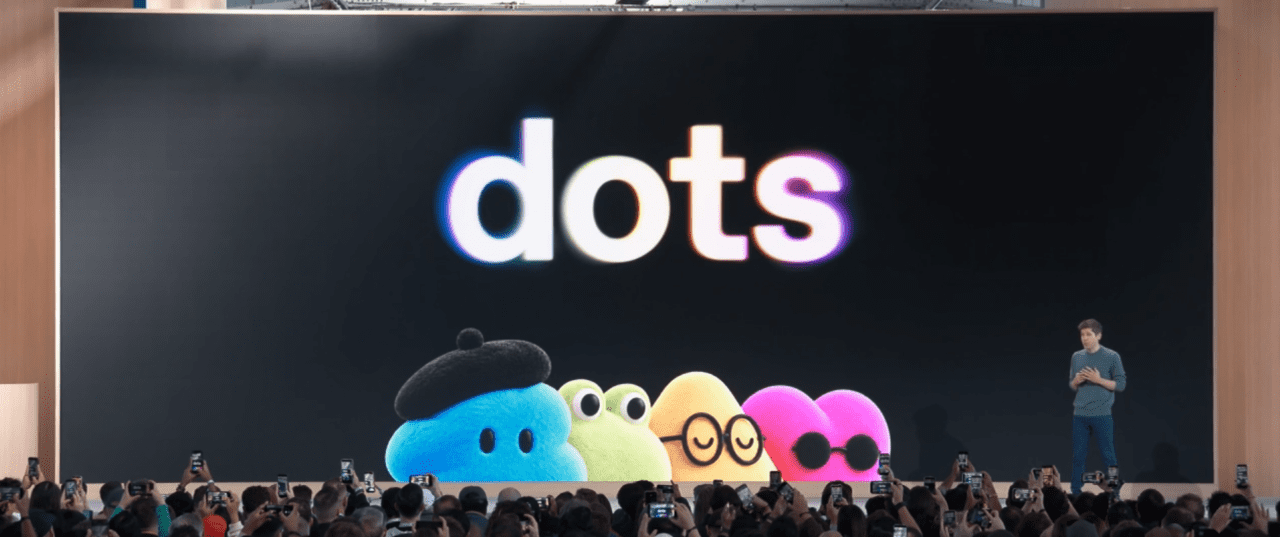
- OpenAI agents get rebrand - as 'dots' - while safety worries delay new model bbc.co.uk
- OpenAI launches Dots, new ‘always-on agents’ you can assign tasks to 9to5google.com
- OpenAI apologizes for agents breaching Australian government websites without authorization therecord.media
- OpenAI is launching always-on AI agents that work for you around the clock qz.com
- OpenAI launches a rival to Meta’s Muse, as the battle for AI agents kicks into high gear marketwatch.com