He was Disney’s most junior employee when he rewrote the CEO’s op-ed. Now he’s a CEO, with advice for Gen Z: ‘Don’t really ask for permission’
Funko CEO Josh Simon’s first job was working under Disney’s Michael Eisner, where taking a risk taught him a career lesson he still carries today.
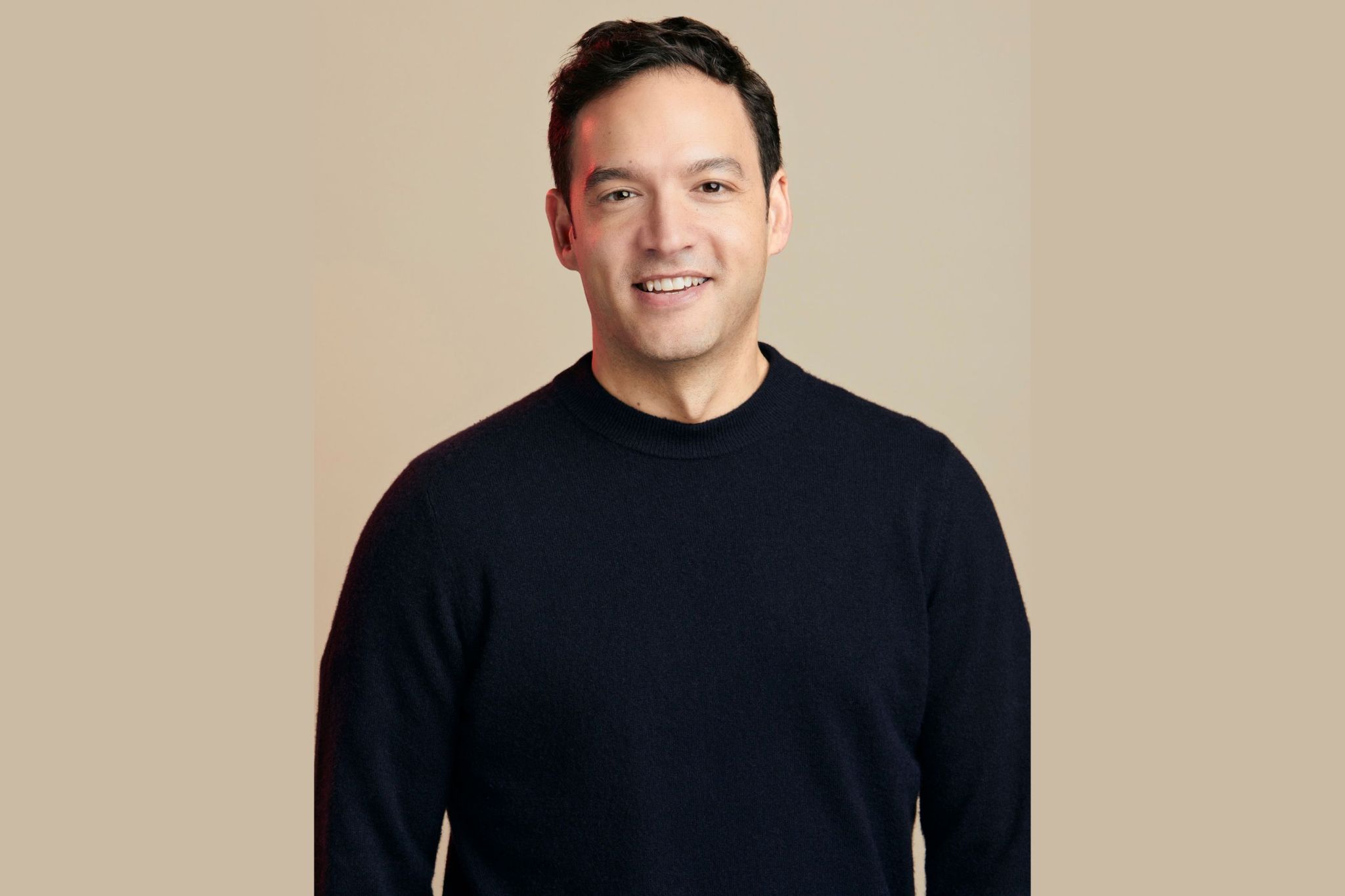
In the early 2000s, Josh Simon commenced his corporate career at the Walt Disney Company as the most junior member of his team. Despite not anticipating much interaction with Disney’s CEO, Michael Eisner, Simon’s skill set proved invaluable. Having written for The Harvard Crimson, he possessed an editing prowess that he later utilized to his advantage by rewriting an op-ed penned by Eisner upon request.
This move, often deemed risky for a 20-something employee critiquing the work of a powerful executive, surprisingly fostered a positive relationship between the two, a bond that endures to this day.
Simon, who now leads Funko, a $300 million pop-culture collectibles brand, credits this experience with shaping a career lesson he ardently upholds: seize opportunities to contribute more, even if no one has explicitly asked for it. He emphasizes that if one’s work is truly exceptional, there are invariably ways to augment one’s responsibilities. Simon, now 48, shared these insights with Fortune.
Born and raised in South Florida, Simon’s curiosity about media and entertainment began in kindergarten when he witnessed a documentary on Michael Jackson’s “Thriller” music video, captivated by its cultural resonance. His career trajectory, however, pivoted towards the business facet of entertainment. After joining Disney in 2000, he traversed roles in corporate strategy, film production, and development before briefly affiliating with Color Force, the DreamWorks-founded production house behind The Hunger Games, and co-founding Function Drinks, a wellness enterprise that was later sold.
In 2015, Simon joined Nike, working across strategy, product, and merchandising. Five years later, he transitioned to Netflix as the Vice President of Consumer Products. In September 2022, he was tasked with revitalizing Funko, a company grappling with declining sales, surplus inventory, tariffs, and mounting debts, raising concerns about its operational viability.
Upon assuming his role, Simon leveraged lessons gleaned from Eisner at Disney, Mark Parker at Nike, and Ted Sarandos at Netflix. A common thread among these three influential CEOs was an unwavering passion for their customers and the creations of their respective companies. Parker, a shoe designer by trade, would sketch designs during meetings; Sarandos, an avid consumer of movies and television, cultivated this affinity during his tenure at video rental stores; and Eisner, even in his later years, participated in test screenings, script readings, and provided meticulous critiques of Disney’s films.
“All three of them have a profound love for what their companies are creating, and they’ve all been in the thick of it,” Simon remarked.
Currently, Simon is striving to transform Funko, an entity traditionally recognized for its vinyl figures and bobbleheads, into a dynamic canvas for fans to interact with pop culture, and one that can swiftly adapt to cultural trends. For instance, Funko capitalized on the surge of KPop Demon Hunters, contributing 7% of its net sales in Q1 2026 to KPop-related merchandise.
Funko’s stock has surged by 35% since Simon’s initiation. However, navigating Funko’s challenging environment is not unfamiliar terrain for Simon. He described his initial stint at Disney as a relentless 24/7 work culture amid the burgeoning influence of cable television and the nascent internet. Despite the rigors, he thrived, benefiting from editing Eisner’s op-ed—an act outside the purview of his duties—and capitalizing on such opportunities.
Simon advises aspiring professionals in their twenties to focus first on excelling at their current job. He posits that those who remain diligent in mastering their roles stand out significantly more than those who constantly seek permission for incremental contributions.
Written by urgent.news from Fortune's reporting — not their text. Machine-written — may contain errors; check the original before relying on it.