Ghana and Germany urged to deepen cooperation on PET recycling – Ambassador
Ghana and Germany have been encouraged to strengthen cooperation in plastic waste recycling and management using the PET technology to promote a circular economy and protect the environment. The post Ghana and Germany urged to deepen cooperation on PET recycling – Ambassador appeared first on Ghana Business News .
Ghana and Germany have been urged to deepen their cooperation in plastic waste recycling and management by utilizing PET technology, with the aim of promoting a circular economy and safeguarding the environment. PET recycling involves collecting, sorting, cleaning, and converting discarded plastic into usable raw materials or new products.
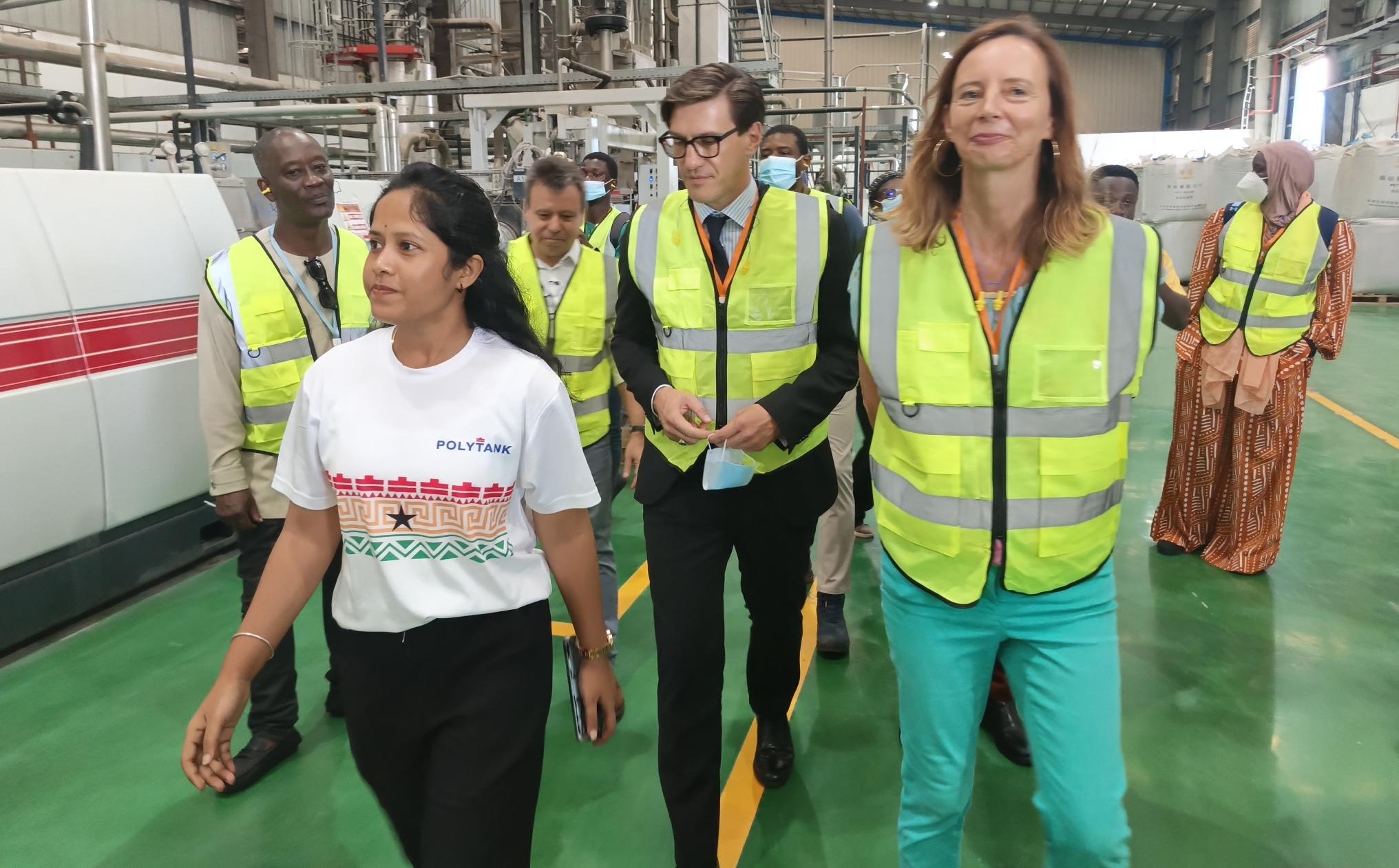
During a visit to SARA rPET, a subsidiary of the Mohinani Group, German Ambassador Frederik Landshöft highlighted the facility as the country's sole food-grade bottle-to-bottle PET recycling plant. Here, visitors witnessed the transformation of used plastic bottles into materials suitable for producing new bottles.
The Ambassador emphasized the facility's potential in turning plastic waste into locally generated value, noting that the recycling process encompassing collection, sorting, processing, and manufacturing could generate stable jobs and bolster local economies. He stressed that reusing processed plastic is crucial for the circular economy, enabling factories to convert discarded items into new goods such as containers, clothing, and building materials.
Germany and Ghana could benefit from exchanging ideas and best practices to tackle waste and pollution, Landshöft suggested. Ghana generates around 1.1 million metric tonnes of plastic waste annually, with daily generation of about 3,000 metric tonnes. Currently, only 5% to 9.5% of this waste is collected and recycled, leaving the remaining majority improperly managed.
Mohinani Group's Business Head, Girender Mohinani, called for decisive government policies to promote recycled material usage and strengthen the circular economy. He stated that the company had created value across the recycling chain, including for collectors, aggregators, and implemented policies like minimum recycled-content requirements, incentives, enhanced standards, and improved collection infrastructure.
Mohinani highlighted challenges such as public education, proper waste sorting, and the presence of PVC contamination, which can render PET bottle batches unsuitable for reuse. His company's franchise collection network in Ghana manages around 2,000 metric tonnes of plastic waste monthly, resulting in an annual production of 13,200 metric tonnes of recycled materials.
Mohinani revealed that the social impact of the SARA rPET project includes a 30% wage growth for recycling sector employees, with 60% being women and 52% of these women being the primary earners in their households.
Written by urgent.news from Ghana Business News's reporting — not their text. Machine-written — may contain errors; check the original before relying on it.